
 Save
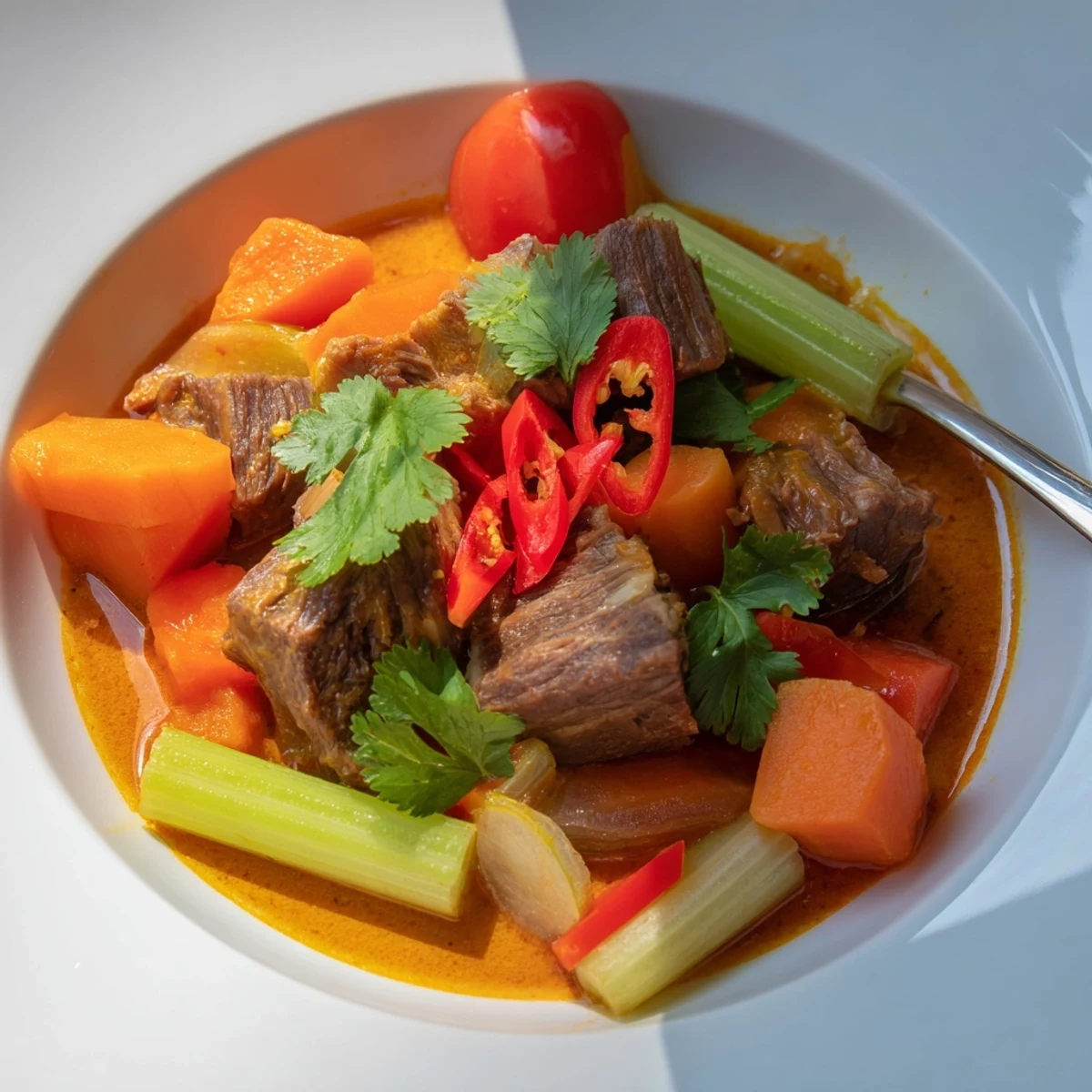
Save This hearty dish transforms beef ribs into melt-in-your-mouth perfection through slow braising in a velvety coconut and tomato sauce infused with lemongrass, ginger, and aromatic spices. The fusion of Southeast Asian flavors with traditional ragu techniques creates a deeply comforting stew that's perfect for cooler weather or special occasions.
After searing the ribs for depth of flavor, they simmer for over two hours with onions, carrots, celery, and bell pepper while the sauce develops layers of sweetness from palm sugar and savory richness from fish sauce. The result is tender meat coated in a luxuriously thick, fragrant sauce that clings beautifully to steamed rice or crusty bread.
The first time I made this Cambodian Rib Ragu was on a rainy Sunday when I needed something to warm the house and fill it with comforting aromas. The lemongrass and coconut milk mingling with beef created such an incredible fragrance that my neighbor actually knocked on the door to ask what I was cooking. Now whenever I make it, that same smell instantly transports me back to that cozy afternoon, watching the rain against the kitchen window while the ragu gently bubbled away.
Last winter I served this ragu at a small dinner party, and everyone gathered around the pot, spoon in hand, unable to wait for formal serving. My friend Sarah, who claims she hates fish sauce, went back for thirds and immediately asked for the recipe. Theres something about how the coconut mellows the spices while still letting their warmth shine through that makes this dish feel like a hug in a bowl.
Ingredients
- Beef short ribs: Bone-in cuts provide essential depth and gelatin that creates that silky rich sauce
- Lemongrass: The white part minced finely releases its citrusy perfume into every layer of flavor
- Coconut milk: Use full-fat canned coconut milk for the creamiest most luxurious results
- Fish sauce: This umami bomb is non-negotiable for authentic depth but wont taste fishy in the final dish
- Palm sugar: Balances the tang and heat with its subtle caramel notes
- Fresh ginger: Grated fresh ginger brings a zesty brightness that ground ginger simply cannot match
- Tomato: Adds just enough acidity to cut through the rich coconut and beef
Instructions
- Sear the ribs:
- Pat those beef ribs completely dry with paper towels then season generously with salt and pepper. Heat oil in your heavy pot until it shimmers and brown the ribs on all sides until deeply caramelized. Work in batches so the pot stays hot enough to properly sear rather than steam.
- Build the aromatic base:
- Reduce the heat and add all your vegetables to the rendered fat. Let them soften and become fragrant for about 7 minutes stirring occasionally. You want the onions translucent and the kitchen smelling incredible before adding the spices.
- Bloom the spices:
- Stir in turmeric coriander chili flakes and bay leaves cooking for just one minute until they release their perfume. This step wakes up the spices so they infuse the entire dish rather than tasting dusty or raw.
- Add the tomato and deglaze:
- Toss in chopped tomato and let it break down slightly for two minutes. The juices will help release any flavorful browned bits stuck to the bottom of your pot.
- Combine and simmer:
- Return the ribs to the pot and pour in the coconut milk and beef stock. Everything should be mostly submerged. Bring to a gentle bubble then cover tightly and reduce to the lowest simmer.
- The long slow cook:
- Let it simmer for 2 to 2.5 hours checking occasionally that the heat remains gentle. The ribs are done when the meat pulls away from the bone with almost no effort.
 Save
Save This recipe became a staple in our household during a particularly brutal winter when we needed something that felt like a proper meal but could mostly cook itself. Wed come home from work to that incredible smell and know dinner was already taken care of. Now it signals comfort and home no matter what season it is.
Making It Your Own
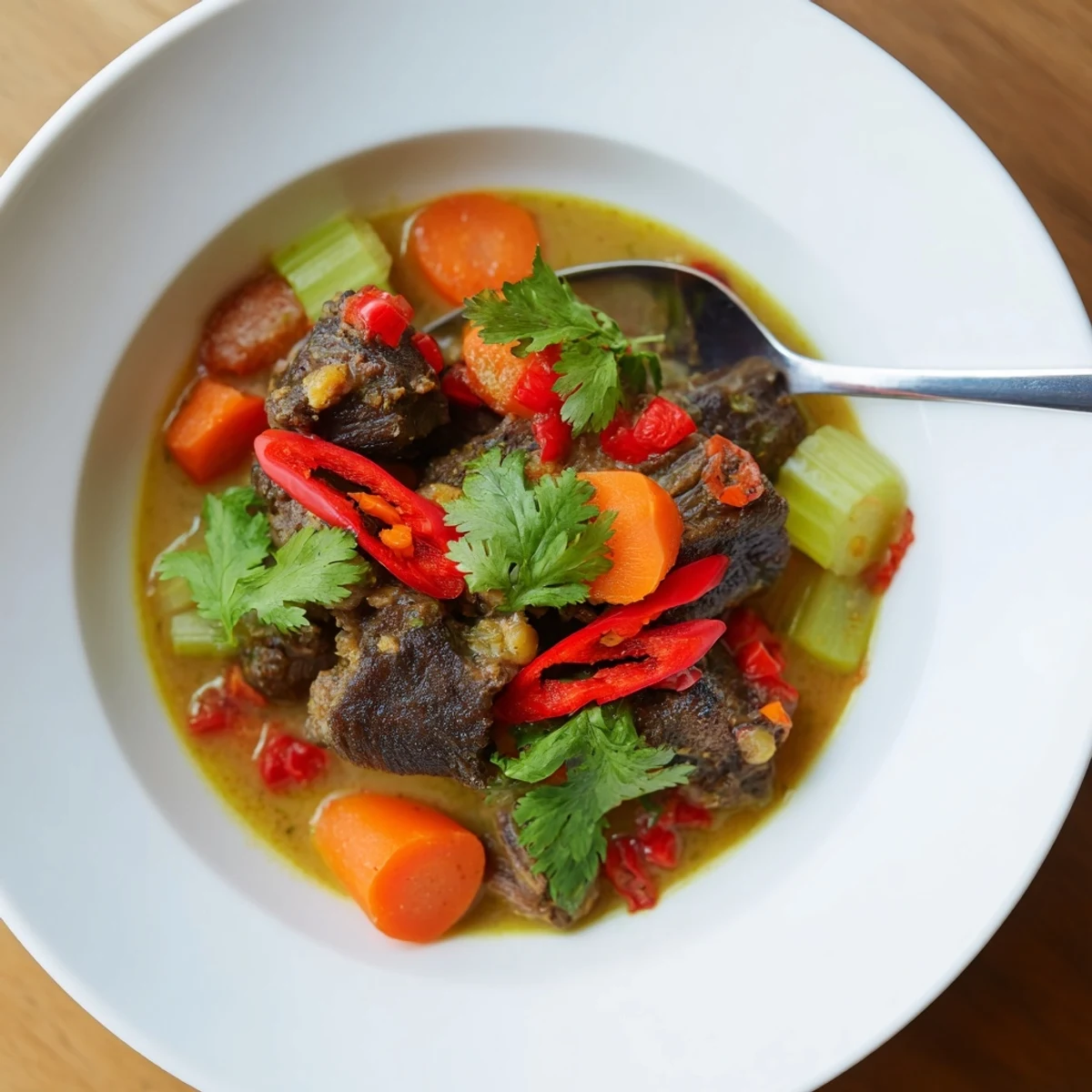
Ive experimented with adding diced potatoes or pumpkin during the last hour of cooking which turns this into even more of a complete one-pot meal. The vegetables absorb all those spices and become incredibly tender. Just be sure to cut them into chunks large enough to hold their shape through the final simmer.
Serving Suggestions
Steamed jasmine rice is the classic pairing for soaking up every drop of that fragrant sauce but crusty bread works just as well. The contrast of the rich ragu against fluffy rice is something special though. I also love serving it with quick-pickled vegetables to cut through the richness.
Storage and Meal Prep
This ragu actually improves after a night in the refrigerator as the flavors continue to meld and develop. It freezes beautifully for up to three months so I always double the batch. Just cool it completely before transferring to freezer containers and leave some room for expansion. When reheating add a splash of water or stock to loosen the sauce.
- Let the ragu cool completely before refrigerating to prevent condensation
- Reheat gently over low heat stirring occasionally to prevent separating
- The sauce may need thinning after storage as coconut milk continues to thicken
 Save
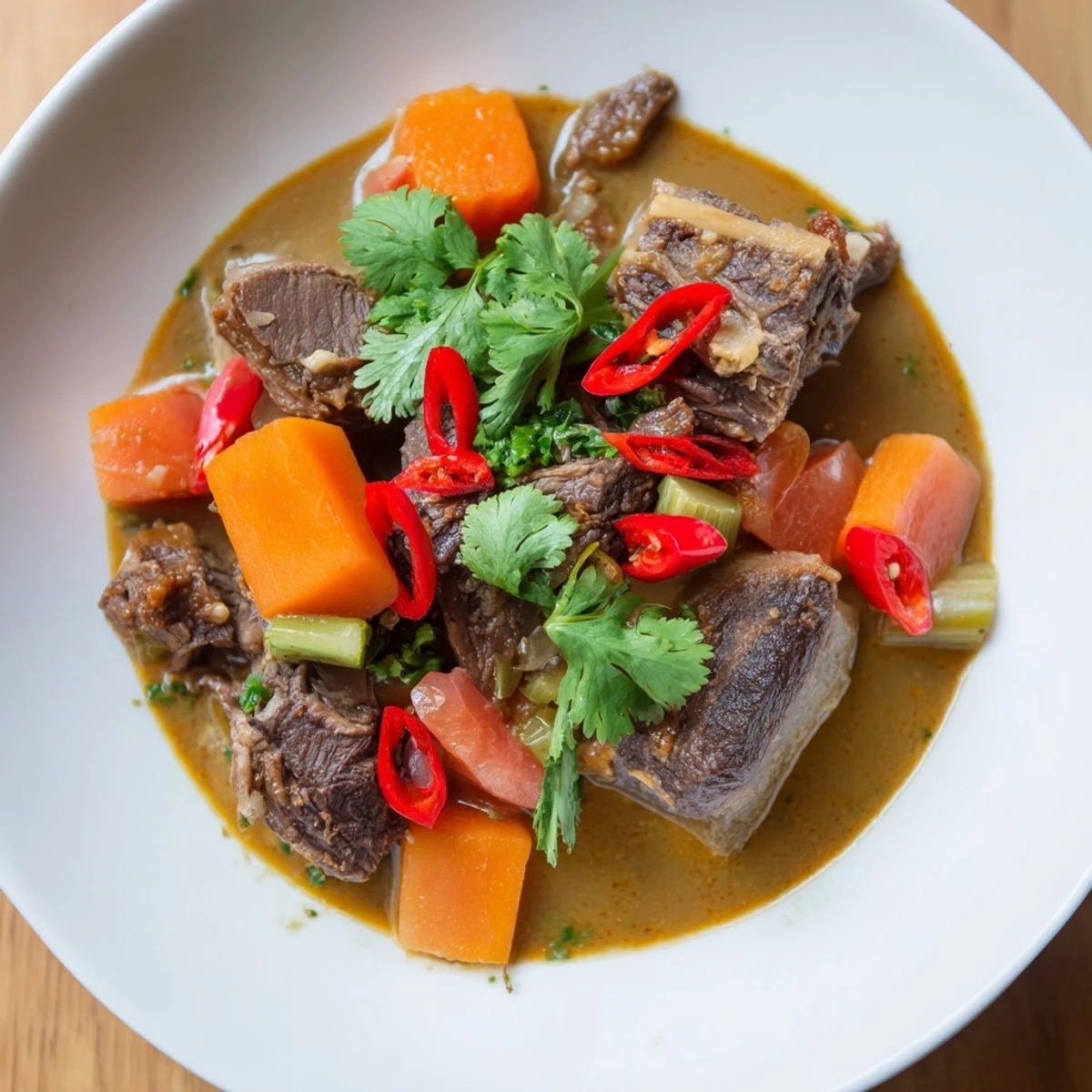
Save Theres nothing quite like lifting that lid after hours of gentle simmering and seeing ribs so tender theyre practically falling apart. This dish has a way of making any evening feel special without demanding hours of active work in the kitchen.
Recipe FAQs
- → What makes this ragu different from Italian versions?
-
This Cambodian-inspired ragu incorporates lemongrass, ginger, coconut milk, and fish sauce, creating aromatic Southeast Asian flavors while maintaining the slow-cooked, comforting texture of traditional ragu.
- → Can I make this in a slow cooker?
-
Yes. After searing the ribs and sautéing the aromatics, transfer everything to your slow cooker and cook on low for 6-8 hours or on high for 4-5 hours until the meat is fall-off-the-bone tender.
- → What should I serve with Cambodian rib ragu?
-
Steamed jasmine rice is the classic choice, soaking up the rich sauce beautifully. Crusty bread, roasted potatoes, or rice noodles also work well for soaking up the flavorful coconut-tomato broth.
- → How do I store and reheat leftovers?
-
Refrigerate in an airtight container for up to 4 days or freeze for up to 3 months. Reheat gently on the stovetop over low heat, adding a splash of beef stock or water if the sauce has thickened too much.
- → Can I use other cuts of meat?
-
Beef short ribs, chuck roast, or boneless beef shanks work beautifully. Pork ribs or pork shoulder are excellent alternatives. Choose cuts with good marbling and connective tissue for the most tender, flavorful results.
- → Is this dish spicy?
-
The chili flakes are optional and added to taste. Without them, the dish has gentle warmth from black pepper and ginger but isn't spicy. Adjust the amount of chili flakes or add fresh sliced chili garnish to suit your preference.