
 Save
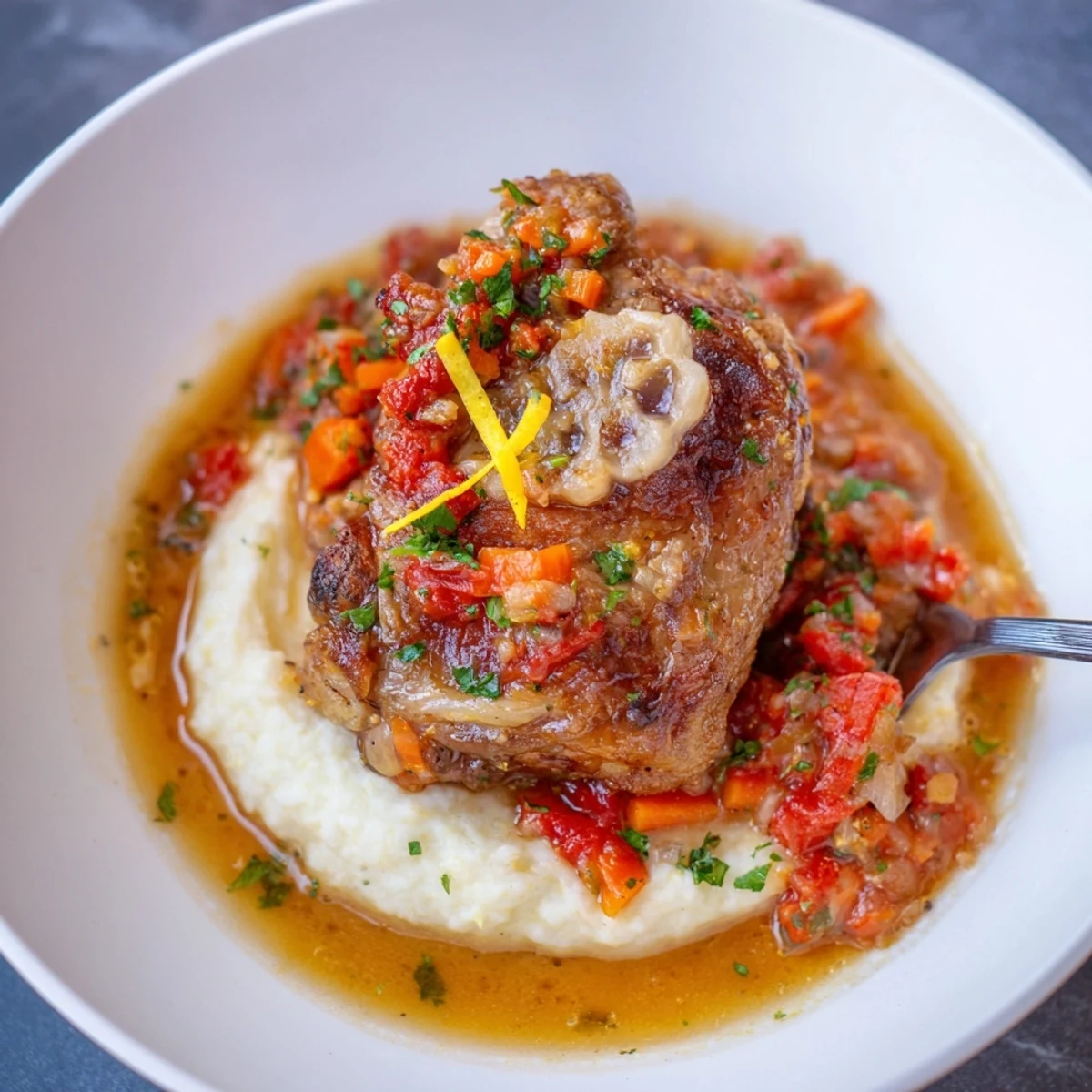
Save Brown bone-in chicken thighs, then sauté onion, carrots and celery until softened. Deglaze with dry white wine, add diced tomatoes, stock, thyme and a bay leaf, then return the chicken. Simmer gently about an hour until meat is tender and the sauce concentrates; remove the lid for the final 15 minutes to thicken. Stir in lemon zest and parsley. For deeper flavor, add a splash of balsamic or a few anchovy fillets during cooking.
The rain was hammering against the kitchen window the afternoon I decided to tackle osso bucco with chicken thighs instead of veal, mostly because the butcher was closed and I was too stubborn to change my dinner plans. The aroma that filled the house an hour later was so deeply comforting that my neighbor actually knocked on the door asking what I was cooking. That pot of braised chicken became a weekly ritual all through fall and winter.
I served this to my sister the first time she visited after moving across the country, and she sat on the kitchen floor with the pot between us, eating straight from it with chunks of bread because neither of us wanted to wait for plates. We laughed until we cried about childhood dinners where my mother burned everything and somehow produced a daughter obsessed with braising.
Ingredients
- 8 bone in, skinless chicken thighs: Bone in is non negotiable here because the bones give the braise that velvety, rich body you simply cannot get otherwise.
- 1 large onion, finely diced: The onion melts into the sauce and creates a natural sweetness that balances the tomatoes beautifully.
- 2 carrots, diced: Cut them small so they dissolve into the braise rather than sitting in chunky pieces.
- 2 celery stalks, diced: Celery adds a subtle savory note that most people cannot quite identify but absolutely notice when it is missing.
- 4 cloves garlic, minced: Fresh garlic only, and mince it yourself because the jarred version lacks the punch this dish deserves.
- 1 can (400g) diced tomatoes: A good quality canned tomato will outperform a mediocre fresh tomato every single time.
- Zest of 1 lemon: This is the finishing touch that transforms the whole dish from heavy to luminous.
- 1/4 cup chopped flat leaf parsley: Add it at the very end so it stays bright and fresh, not wilted and sad.
- 1 cup dry white wine: Something you would drink, not cooking wine, because the flavor concentrates as it reduces.
- 1 1/2 cups chicken stock: Low sodium is best so you can control the salt level as the sauce reduces.
- 1/4 cup all purpose flour: A light dredge on the chicken creates a golden crust and helps thicken the sauce naturally.
- 2 tbsp olive oil: Just enough to get a good sear without making the braise greasy.
- 1 tsp salt and 1/2 tsp black pepper: Season the chicken generously before dredging for the most flavorful result.
- 1/2 tsp dried thyme and 1 bay leaf: These two herbs quietly do all the heavy lifting in the background of this sauce.
Instructions
- Season and dredge the chicken:
- Pat the thighs completely dry with paper towels, then season well with salt and pepper. Dust them lightly in flour, shaking off any extra so you get a thin even coating.
- Sear until golden:
- Heat olive oil in a heavy bottomed pot over medium high heat and brown the chicken for about 4 minutes per side until you see a deep golden crust. Remove them to a plate and resist the urge to nibble.
- Build the vegetable base:
- In the same pot with all those lovely browned bits, sauté the onion, carrots, and celery for 5 to 6 minutes until everything softens and smells sweet. Add the garlic and stir for just one minute more until fragrant.
- Deglaze with wine:
- Pour in the white wine and scrape up every bit of fond from the bottom of the pot because that is where all the flavor lives. Let it bubble and reduce for 2 to 3 minutes.
- Braise low and slow:
- Add the diced tomatoes, chicken stock, thyme, and bay leaf, then nestle the chicken back into the pot. Bring it to a gentle simmer, cover, and let it cook on low heat for 1 hour, stirring once or twice.
- Finish and brighten:
- Take the lid off for the last 15 minutes if the sauce needs thickening. Stir in the lemon zest and parsley just before serving, then taste and adjust the seasoning.
 Save
Save The best meals I have ever made happened on nights when I was not trying to impress anyone, just feeding someone I loved with whatever was in the fridge. This dish tastes like that feeling.
Serving Ideas That Actually Work
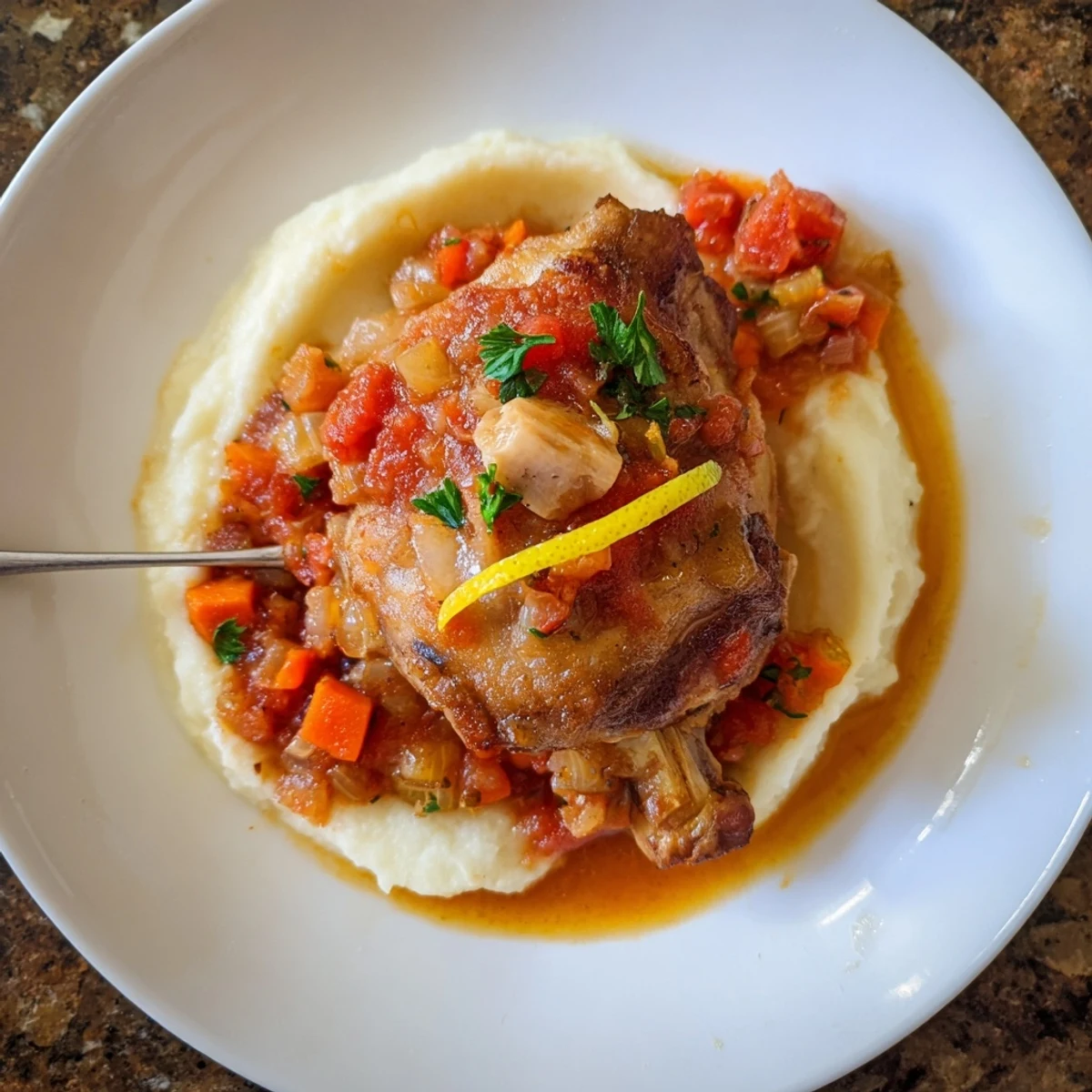
Creamy polenta is the classic pairing and honestly the best one because it soaks up the sauce like a sponge. Mashed potatoes work beautifully too, and a thick slice of toasted crusty bread is perfectly acceptable on a Tuesday when you cannot be bothered with sides.
What I Learned After Making This Twenty Times
The dish is even better the next day because the sauce thickens and the flavors settle into something deeper and more harmonious overnight. I often make a double batch on Sunday and eat it through Wednesday without getting tired of it.
A Few Things Worth Keeping in Mind
Every stove is different and every pot conducts heat differently, so trust your senses more than the timer.
- If the sauce is too thin at the end, just let it simmer uncovered a few minutes longer.
- Anchovy fillets sound weird but dissolve completely and add a richness nobody will identify.
- Always let the braise rest for 5 minutes off the heat before serving so the sauce settles.
 Save
Save Some recipes become part of your rotation because they are easy, and some earn their place because they make the house smell like home. This one does both without even trying.
Recipe FAQs
- → Can I use boneless chicken thighs instead of bone-in?
-
Yes. Boneless thighs will brown faster and reach doneness sooner, so reduce simmering time and monitor tenderness to avoid overcooking. Bone-in yields more depth of flavor during braising.
- → How do I thicken the sauce without adding flour?
-
Remove the lid for the last 15–20 minutes to reduce and concentrate the sauce. You can also mash a few cooked carrots or add a spoonful of tomato paste to increase body without extra starch.
- → What wine works best for deglazing?
-
A dry white like Pinot Grigio or Sauvignon Blanc brightens the sauce. For a richer profile, a light Chianti or other light red can work—adjust salt and acidity to balance.
- → How can I keep the chicken moist while braising?
-
Brown the thighs well for flavor, then maintain a gentle simmer rather than a rolling boil. Ensure liquid partially covers the chicken and avoid overcooking; check tenderness around the 1-hour mark.
- → Are there good substitutions for the flour coating?
-
Use a gluten-free all-purpose flour or leave the coating out entirely. A light dusting helps with browning and sauce texture, but careful searing and reduction can compensate.
- → What should I serve alongside this dish?
-
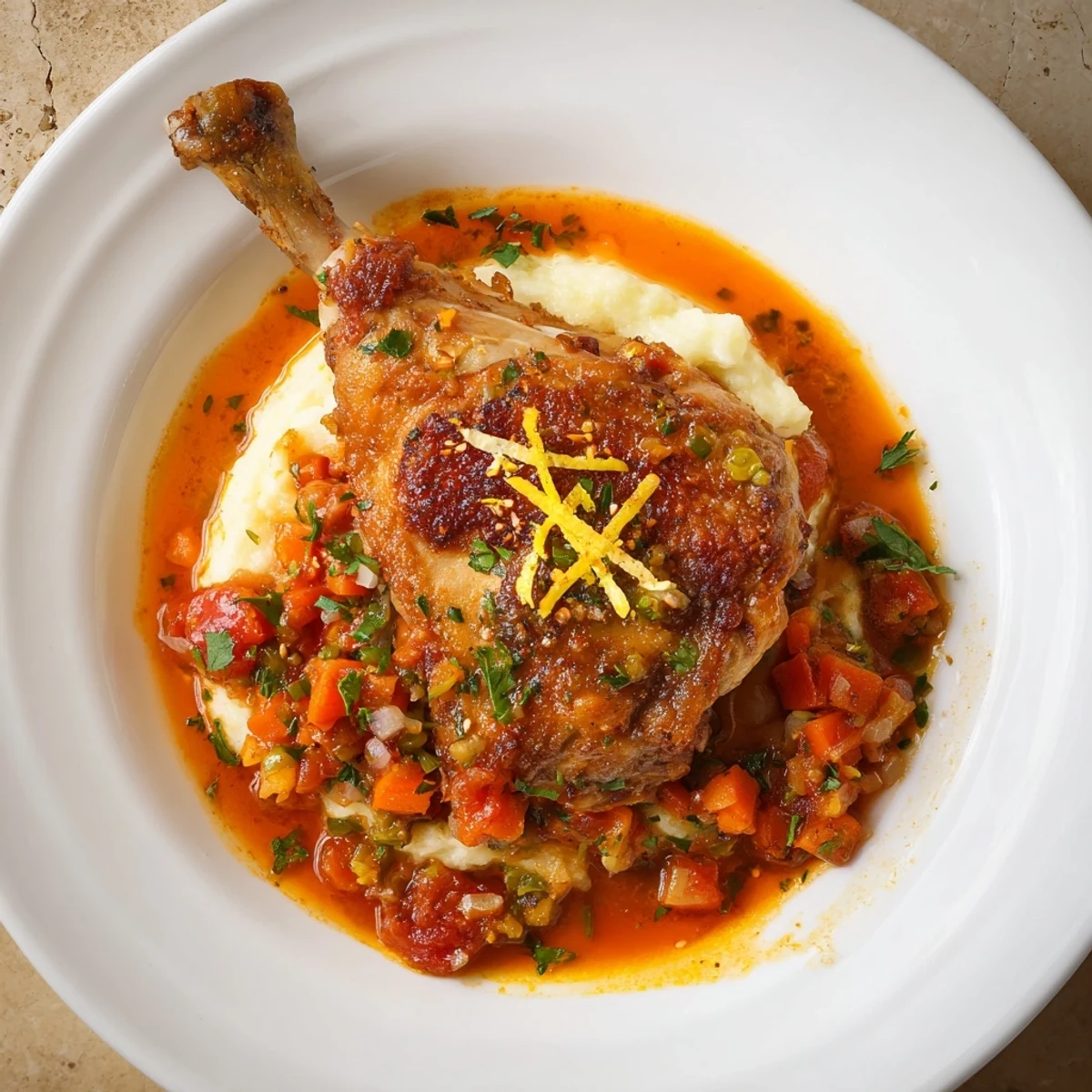
Serve with creamy polenta, mashed potatoes or crusty bread to soak up the sauce. A simple green salad and a light white or medium red wine complement the flavors.