
 Save
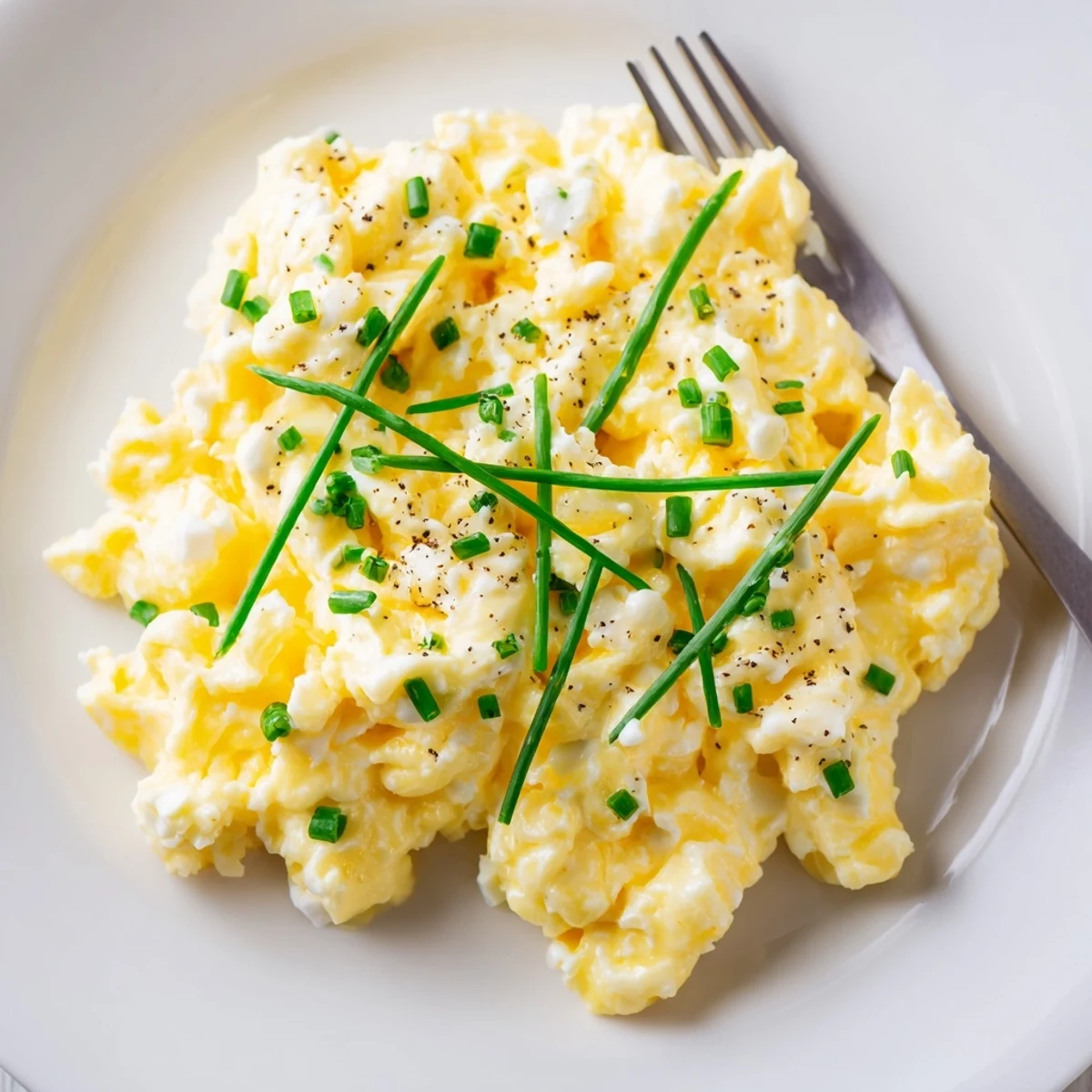
Save Whisk eggs with salt and pepper, then stir in cottage cheese and half the chives. Melt butter in a nonstick skillet over medium-low and pour in the mixture. Gently fold with a spatula, scraping the sides, until soft curds form but the eggs remain glossy; remove from heat while still slightly runny so residual heat finishes them. Ready in about 10 minutes. For extra silkiness add a splash of cream, or swap in ricotta; fold in spinach or smoked salmon for variation. Serve immediately with toasted sourdough or rye.
My roommate started adding cottage cheese to everything last spring, and I rolled my eyes every single time until she made these scrambled eggs on a lazy Sunday morning. One bite shut me up completely. The curds melt into pockets of salty creaminess that ordinary scrambled eggs never achieve, and the chives add just enough sharpness to keep things interesting.
I started making these for my sister after her early morning shifts at the hospital, when she would stumble through the door exhausted and barely speaking. She would sit at the kitchen counter wrapped in a blanket, and by the time she scraped the last bit off her plate she was finally awake enough to tell me about her night.
Ingredients
- 4 large eggs: Room temperature eggs whisk more evenly and cook with a silkier texture.
- 1/2 cup cottage cheese: Full fat gives the richest result, but low fat works beautifully too, so use whatever you have.
- 1 tablespoon unsalted butter: Butter is nonnegotiable here because it coats the pan and gives the eggs that golden, rounded flavor.
- 2 tablespoons fresh chives: Snip them with kitchen scissors right before cooking for the brightest onion flavor.
- Salt and pepper: Season the eggs before cooking so the salt distributes evenly throughout.
Instructions
- Whisk everything together:
- Crack the eggs into a medium bowl, add the salt and pepper, and whisk until the yolks and whites are fully blended with no streaks remaining.
- Fold in the good stuff:
- Gently stir in the cottage cheese and half of your chives, keeping the curds mostly intact for those creamy pockets.
- Melt and pour:
- Heat the butter in a nonstick skillet over medium low heat until it foams and starts to smell nutty, then pour in the egg mixture.
- Stir with patience:
- Use a flexible spatula to slowly scrape the bottom and edges, letting large curds form while keeping everything soft and glossy for about two to three minutes.
- Pull early:
- Take the pan off the heat while the eggs still look slightly wet because they will finish cooking on the plate.
- Finish and serve:
- Sprinkle the remaining chives over the top and serve right away while the texture is perfect.
 Save
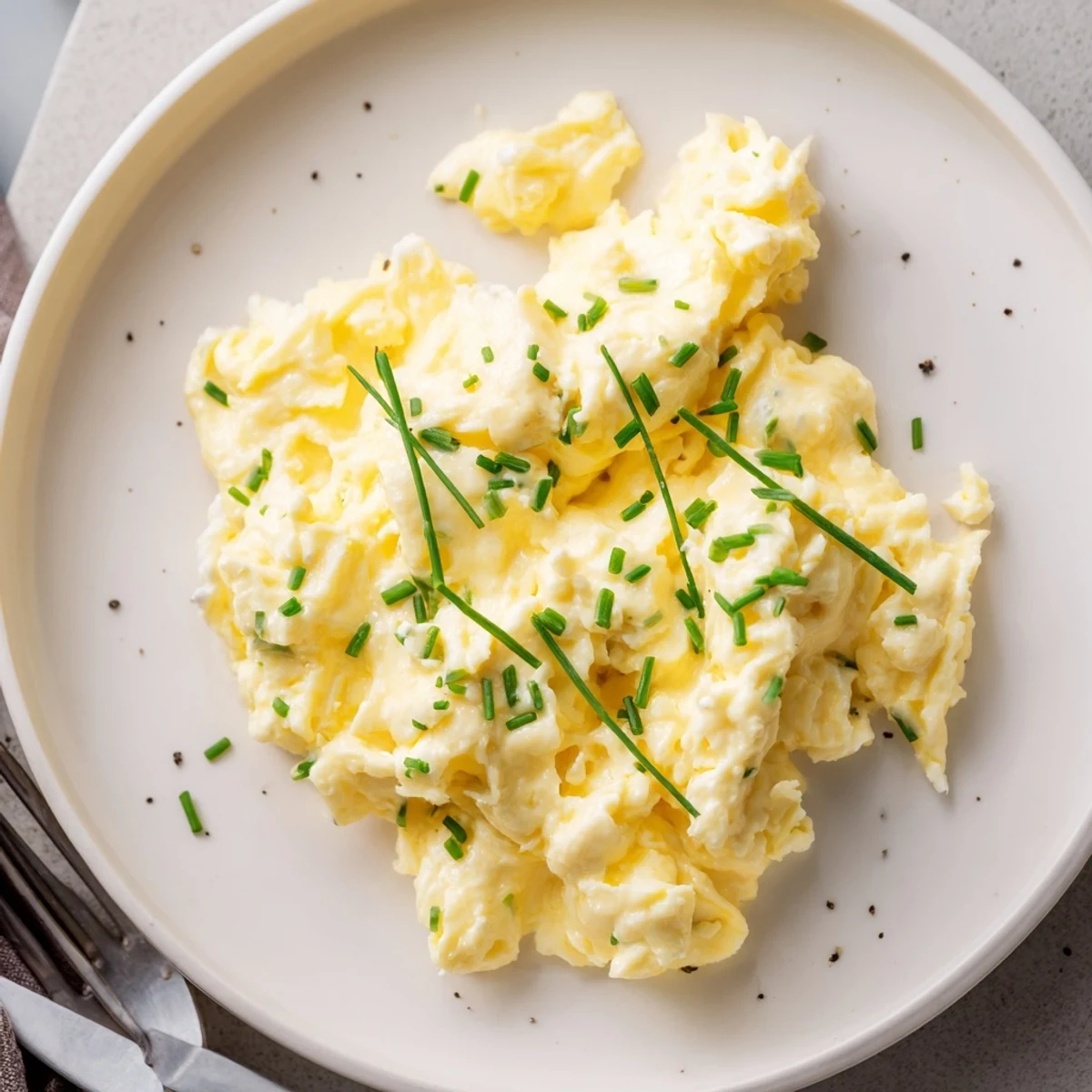
Save I realized this dish had become a real staple when I found myself buying cottage cheese specifically for eggs instead of salads or toast.
The Best Pan Makes All the Difference
A good nonstick skillet is honestly your best friend here because eggs want to stick more than almost anything else you will cook. I spent years using a worn out pan and wondering why my scrambled eggs always ended up in torn, sad clumps. Once I invested in a decent nonstick, everything changed overnight.
Easy Ways to Change It Up
Try folding in a handful of baby spinach during the last thirty seconds for color and a slight earthy sweetness. Smoked salmon scattered on top turns this into something fancy enough for weekend guests without any extra effort. You could also swap the cottage cheese for ricotta if you prefer a milder, more uniform creaminess throughout.
What to Serve Alongside
Thick slices of sourdough toasted until golden are the obvious choice, but rye bread has a malty depth that pairs surprisingly well with the tang of cottage cheese. A simple side salad of arugula dressed with lemon and olive oil balances the richness beautifully. Fresh fruit or roasted tomatoes also work if you want something bright on the plate.
- Toast your bread before you start the eggs so everything is hot at the same time.
- A cup of coffee or orange juice alongside makes this feel like a complete meal.
- Leftovers reheat gently in the microwave at half power if you end up with extras.
 Save
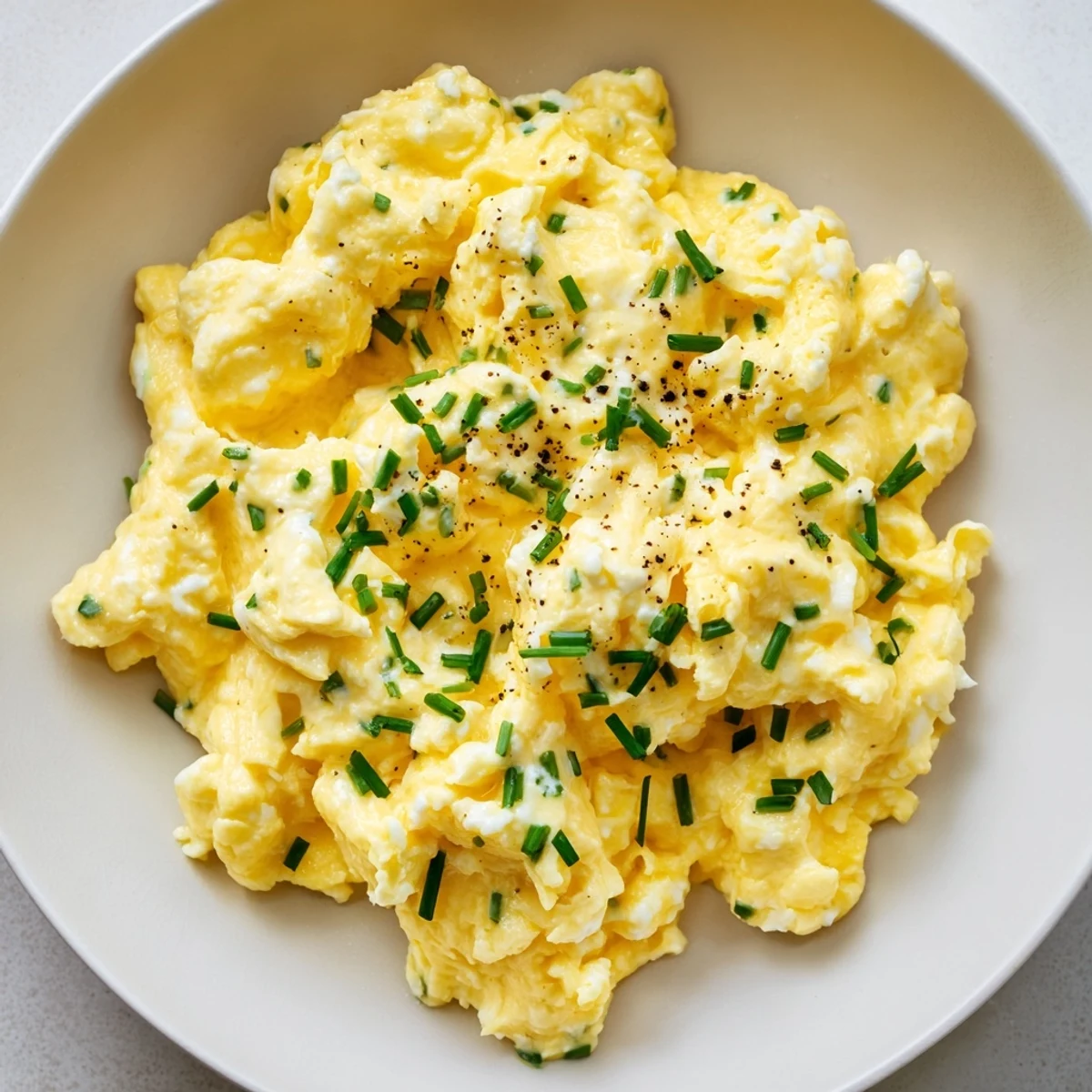
Save Some mornings you just need breakfast to be easy, warm, and genuinely good, and these eggs deliver on all three counts every single time.
Recipe FAQs
- → How do I keep the eggs creamy?
-
Cook over low to medium-low heat and stir gently; remove from the pan while still slightly runny so residual heat finishes cooking. The cottage cheese also adds moisture and creaminess.
- → Can I use low-fat cottage cheese?
-
Yes. Low-fat cottage cheese works fine but yields a slightly less rich texture. For extra creaminess, add a small splash of cream or a knob of butter when whisking the eggs.
- → Is ricotta a good substitute?
-
Ricotta is a great milder substitute that gives a silkier mouthfeel. Use the same volume and fold it in gently to preserve the eggs' light curds.
- → What pan and fat are best?
-
A good nonstick skillet and a flexible spatula make gentle folding easy. Unsalted butter adds flavor and helps form soft curds; olive oil can be used but changes the flavor profile.
- → How can I add vegetables or proteins?
-
Wilt spinach briefly in the pan before adding eggs, or fold in delicate ingredients like smoked salmon at the end to preserve texture. Cook hearty add-ins separately to avoid releasing water into the eggs.
- → How should leftovers be stored and reheated?
-
Cool quickly and refrigerate in an airtight container up to 2 days. Reheat gently over low heat or in short bursts in the microwave to avoid overcooking; add a splash of milk or butter to revive creaminess.