
 Save
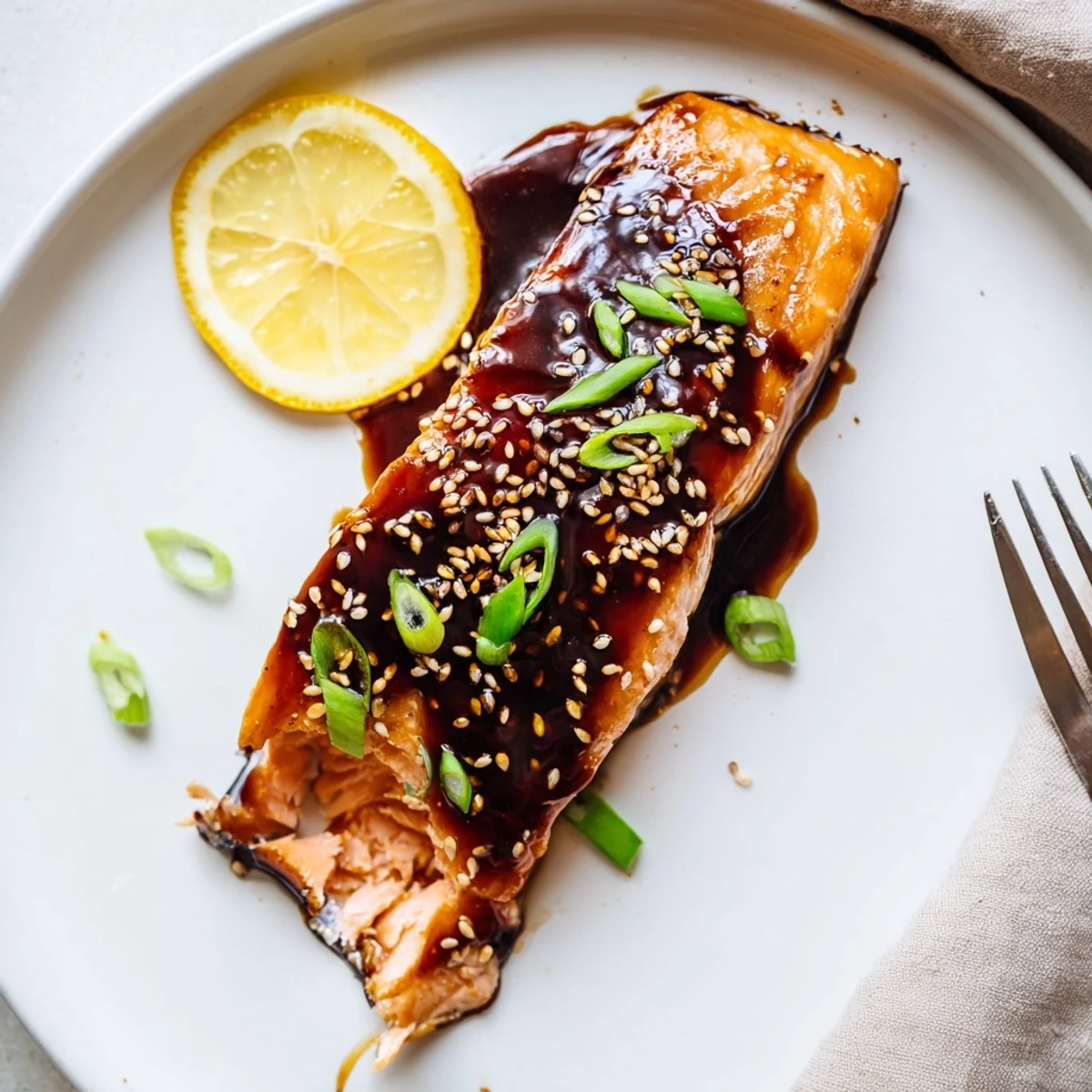
Save This gluten-free teriyaki salmon brings together succulent oven-baked fillets with a luscious homemade glaze made from tamari, maple syrup, rice vinegar, and fresh ginger. Ready in just 25 minutes, it's an effortless yet elegant main course.
The thickened teriyaki sauce caramelizes beautifully in the oven, creating a glossy coating that locks in moisture. Finished with toasted sesame seeds and sliced green onions, each bite delivers a satisfying balance of sweet, savory, and umami flavors.
Serve alongside steamed rice and sautéed vegetables for a complete, wholesome dinner that's both gluten-free and packed with protein.
The exhaust fan in my apartment kitchen was never meant to handle what I put it through the Tuesday I decided teriyaki salmon could be a weeknight thing. Smoke curled up from the baking sheet, the sauce had caramelized into something almost black, and my cat watched from the doorway like a disappointed food critic. But that slightly charred, sticky sweet salmon was so good I made it again three nights later, this time paying attention. That is how this gluten free version became a permanent fixture in my rotation.
My friend Dana, who avoids gluten for medical reasons, nearly teared up when she tasted this at a dinner party last spring. She had resigned herself to bland adaptations of dishes she once loved, and watching her go back for seconds felt like a genuine win. That night I scribbled the measurements on a napkin and she texted me a photo of her own attempt the very next weekend. It looked perfect, and I was oddly proud, like a coach watching a runner beat their personal record.
Ingredients
- 4 salmon fillets, about 150 g each: Skin on holds together better during baking and crisps up beautifully under the broiler if you choose to go that route.
- 60 ml gluten free tamari: This is your umami backbone, and tamari delivers a deeper, rounder saltiness than standard soy sauce while staying gluten free.
- 2 tbsp pure maple syrup or honey: Maple gives a mellow warmth, while honey adds a more floral sweetness, so pick based on your mood.
- 2 tbsp rice vinegar: A subtle tang that keeps the glaze from tasting one dimensional, balancing the richness of the salmon.
- 1 tbsp sesame oil: Just a small amount lends a nutty aroma that immediately signals something special is happening.
- 2 cloves garlic, minced: Fresh garlic matters here because the sauce cooks quickly and raw pungency is part of the charm.
- 1 tsp fresh ginger, grated: Grate it fine so it melts into the sauce rather than leaving chewy bits behind.
- 1 tbsp cornstarch mixed with 2 tbsp cold water: This slurry transforms thin liquid into a glaze that clings to the fish instead of pooling on the pan.
- 1 tbsp toasted sesame seeds: Toasting them yourself in a dry pan for a minute takes them from dusty afterthought to crunchy, fragrant garnish.
- 2 green onions, thinly sliced: Scatter these on at the very end so they stay bright and add a mild onion crunch.
- Lemon wedges for serving: Optional but recommended, a quick squeeze cuts through the richness in a way that makes every bite feel fresh.
Instructions
- Set the stage:
- Preheat your oven to 200 degrees Celsius (400 degrees Fahrenheit) and line a baking sheet with parchment paper so the glaze does not fuse the fish to the metal.
- Build the glaze:
- In a small saucepan over medium heat, stir together the tamari, maple syrup, rice vinegar, sesame oil, garlic, and ginger until the mixture begins to gently simmer and you can smell the garlic softening into something sweet and savory.
- Thicken it up:
- Pour in the cornstarch slurry and whisk constantly for one to two minutes until the sauce coats the back of a spoon like syrup, then pull it off the heat immediately so it does not overcook.
- Glace the salmon:
- Arrange the fillets on your prepared sheet and brush them generously with the warm teriyaki, saving a little extra to drizzle on after baking.
- Bake until just right:
- Slide the tray into the oven for twelve to fifteen minutes, until the salmon turns opaque at the edges and flakes apart gently when you press a fork into the thickest part, and if you want that sticky caramelized top, hit it with the broiler for the final two minutes.
- Finish with flair:
- Drizzle whatever sauce remains over the hot fillets, scatter sesame seeds and green onions across the top, and serve with lemon wedges on the side for anyone who wants a bright squeeze at the table.
 Save
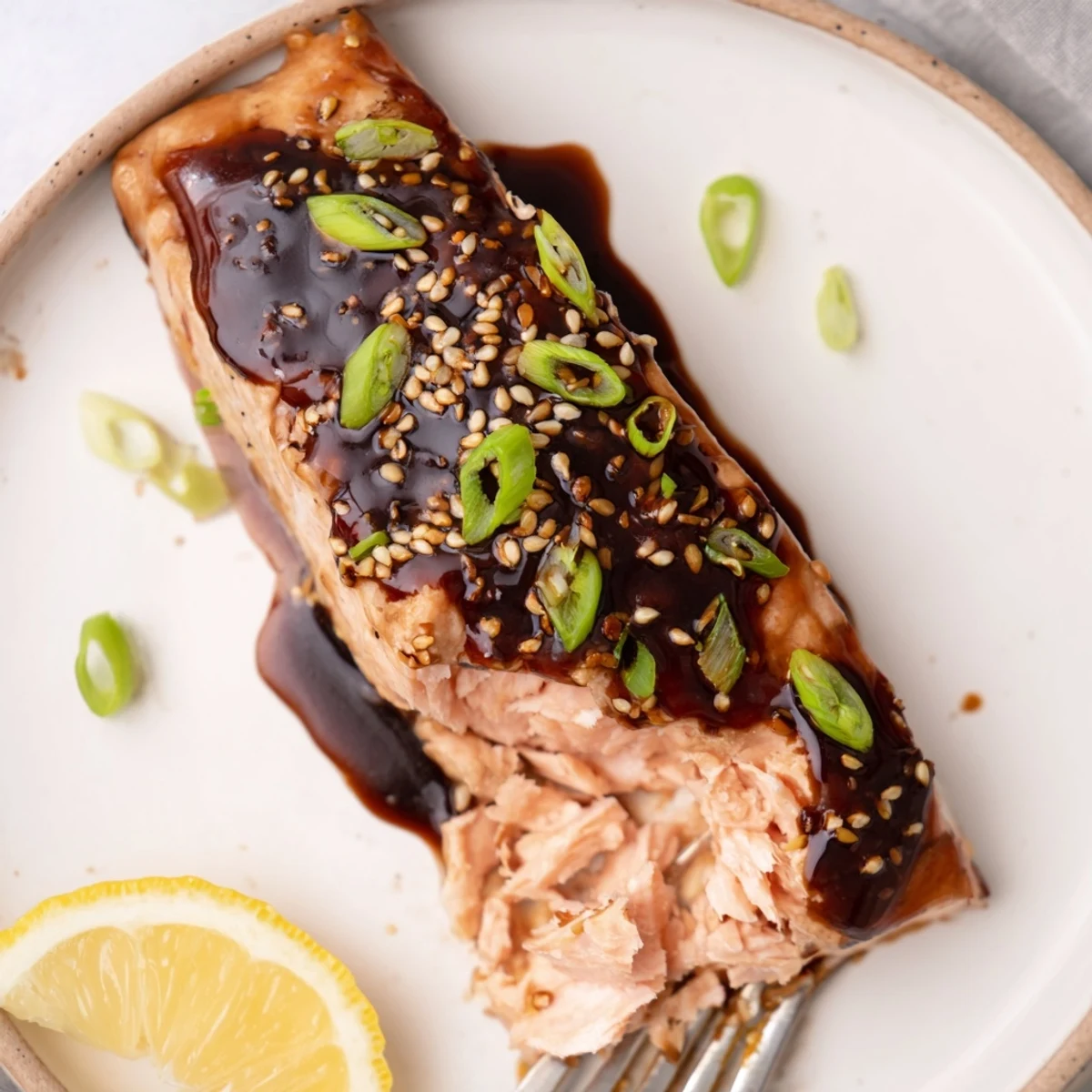
Save Somewhere between the hiss of the broiler and the smell of caramelized tamari filling my kitchen, this dish stopped being just dinner and started being the thing I make when I want someone to feel taken care of. The plate always looks like it took far more effort than twenty five minutes. That illusion is the whole point.
Serving Suggestions That Actually Work
Steamed jasmine rice soaks up the extra glaze like a sponge, which is exactly where you want that flavor to end up. A pile of quickly sauteed bok choy or snap peas on the side adds crunch and keeps the plate from feeling heavy. Pour something cold and crisp alongside it, a Sauvignon Blanc or even a light lager, and you have a meal that feels planned without actually requiring a plan.
Tools You Will Reach For
A rimmed baking sheet, a trusty small saucepan, and a pastry brush are really all you need, though a whisk makes the thickening step feel effortless. The parchment paper is nonnegotiable unless you enjoy chiseling glazed fish off metal. Keep a microplane handy for the ginger because pre grated jarred versions taste flat by comparison.
When Things Go Sideways
Every cook burns a batch of glaze at least once, so if it happens, dump it and start over because the bitterness will only get worse. Undercooked salmon can go back in the oven for two more minutes, but overcooked salmon cannot be undone, so pull it early and let carryover heat finish the job.
- If your glaze is too thin, whisk in another half teaspoon of cornstarch slurry over medium heat rather than boiling it down.
- Skin sticking to the parchment usually means the fish needed another minute before you tried to move it.
- Always double check that your tamari bottle has a certified gluten free label because cross contamination sneaks into unexpected brands.
 Save
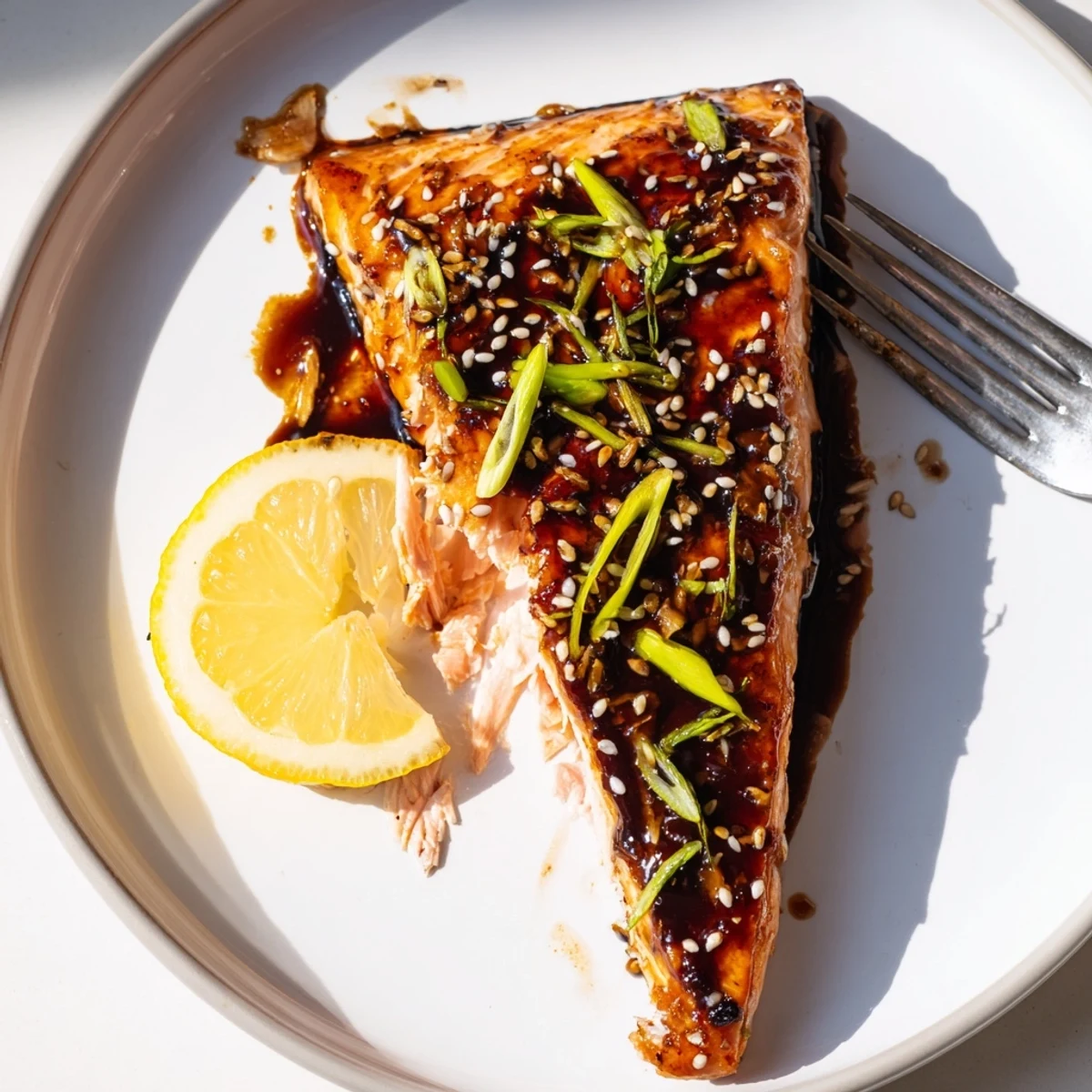
Save This is the kind of recipe that makes you look like you tried hard when you barely broke a sweat, and there is nothing wrong with keeping a few of those in your back pocket. Share it, riff on it, and make it yours.
Recipe FAQs
- → Can I use regular soy sauce instead of tamari?
-
Yes, you can substitute regular soy sauce for tamari if you don't need the dish to be gluten-free. Tamari is a gluten-free alternative that provides a similarly rich, savory flavor. If using regular soy sauce, the taste will be nearly identical, but the dish will no longer be suitable for those avoiding gluten.
- → How do I know when the salmon is fully cooked?
-
Salmon is done when it turns opaque throughout and flakes easily when pressed gently with a fork. The internal temperature should reach 63°C (145°F) for food safety. Avoid overcooking, as salmon can become dry — it should still look slightly translucent in the very center for a moist, tender result.
- → Can I prepare the teriyaki sauce ahead of time?
-
Absolutely. The teriyaki sauce can be made up to 5 days in advance and stored in an airtight container in the refrigerator. Gently reheat it in a saucepan over low heat, whisking to restore its smooth consistency before brushing it onto the salmon fillets.
- → What side dishes pair well with teriyaki salmon?
-
Steamed jasmine or basmati rice is a classic pairing that soaks up the extra glaze beautifully. Sautéed bok choy, steamed broccoli, or a simple cucumber salad also complement the rich umami flavors. For a lighter option, try serving it over cauliflower rice with a drizzle of sesame oil.
- → Can I grill the salmon instead of baking it?
-
Yes, grilling works wonderfully with teriyaki salmon. Cook the fillets skin-side down over medium-high heat for about 4–5 minutes per side, brushing with the glaze during the last couple of minutes. Be careful not to burn the sugary sauce — move the fish to a cooler part of the grill if flare-ups occur.
- → Is this dish suitable for meal prep?
-
Yes, teriyaki salmon stores well for meal prep. Allow the cooked fillets to cool completely, then refrigerate in sealed containers for up to 3 days. Reheat gently in the oven at 160°C (325°F) or in a skillet over medium-low heat to preserve the texture of the glaze.