
 Save
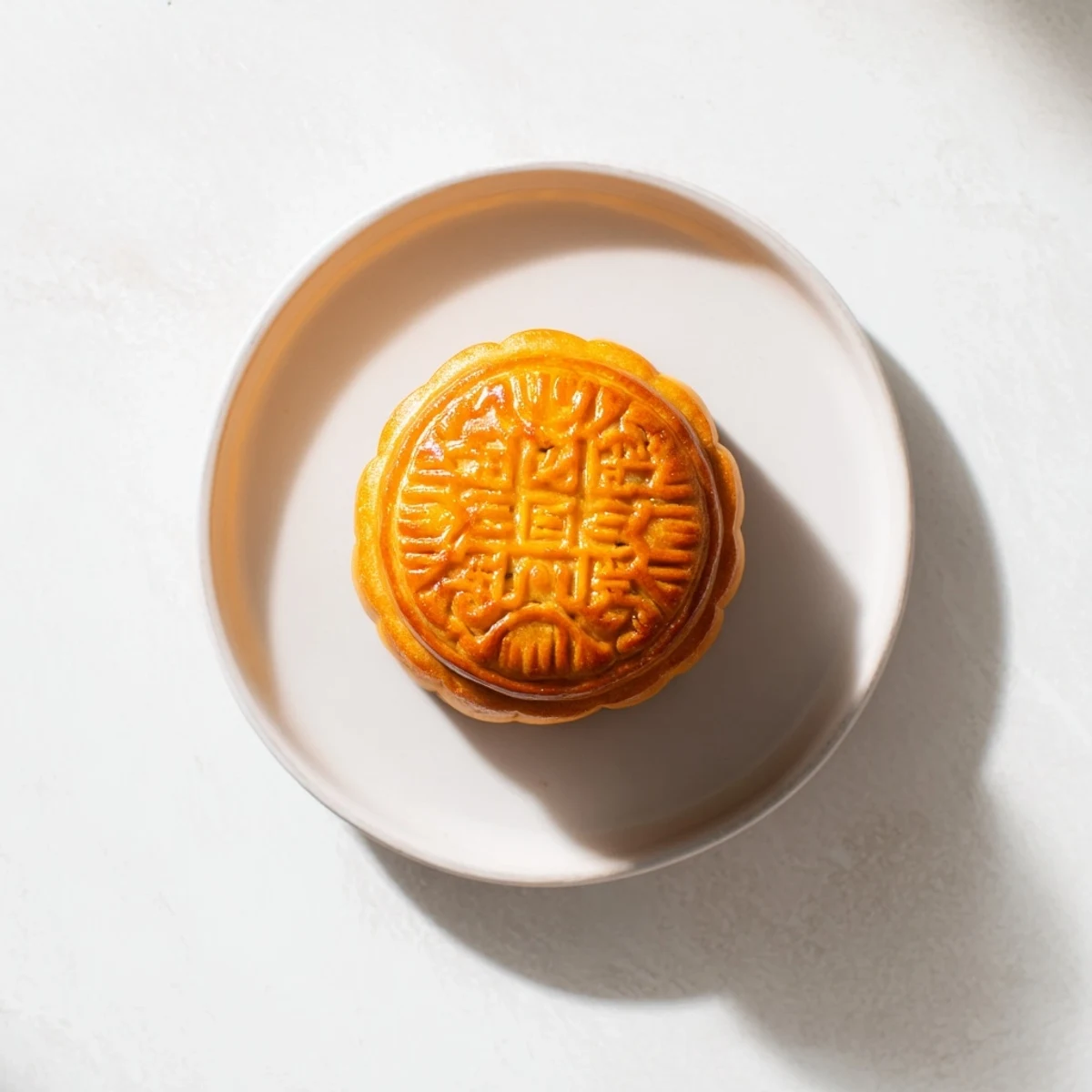
Save Create authentic mooncakes with a tender golden exterior that encases sweet, aromatic lotus seed paste. These traditional Chinese delicacies require careful preparation, including a 2-hour dough resting period for optimal texture. The process involves wrapping paste balls (optionally around salted egg yolks) in thin pastry discs, then using decorative molds to create their signature patterns. After a brief initial bake, an egg wash creates that characteristic glossy finish before final golden-browning. The key to perfect texture lies in patience—allowing finished mooncakes to rest for 1-2 days lets the pastry soften and flavors meld beautifully.
The first time I attempted mooncakes, my kitchen smelled like caramelized sugar for days. I had ordered a traditional wooden mold online and couldn't wait to see those intricate patterns emerge from the oven. Now they've become my absolute favorite way to welcome autumn, bringing friends together around the tea table every year.
Last September, I made three dozen of these for my neighborhood's first Mid-Autumn celebration. Watching kids' eyes light up when they bit into that surprise salted egg yolk center made all the rolling and shaping worth it. Now neighbors start asking about them weeks in advance.
Ingredients
- 120 g all-purpose flour: The foundation of that signature tender golden crust that practically melts in your mouth
- 85 g golden syrup: This gives mooncakes their characteristic amber color and subtle honey-like sweetness
- 30 g vegetable oil: Creates the perfect pliable dough without overwhelming the delicate flavors
- 1/2 tsp alkaline water: The secret ingredient that gives mooncakes their distinct aroma and helps develop that gorgeous golden-brown color
- 480 g lotus seed paste: The soul of any traditional mooncake, providing that rich, creamy, slightly floral sweetness
- 12 salted egg yolks: These create that stunning golden center and add a luxurious savory contrast to the sweet filling
- 1 egg yolk mixed with 1 tbsp milk: The essential egg wash that transforms plain dough into glossy, burnished perfection
Instructions
- Prepare the golden dough:
- Whisk together the golden syrup, oil, and alkaline water until completely blended. Add flour and stir gently until a smooth dough forms. Cover tightly and let it rest for 2 hours—this patience creates the most workable, tender pastry.
- Shape your filling centers:
- Divide lotus paste into 12 equal portions. Nestle each salted egg yolk inside a ball of paste, then roll between your palms until perfectly smooth and round. Keep your hands slightly oiled to prevent sticking.
- Wrap and seal carefully:
- Flatten each rested dough ball into a disc. Place one filling ball in the center and gradually work the dough upward, pinching to seal completely. The dough should be thin but even—any tears will show in the final pattern.
- Press into beautiful designs:
- Dust your mold lightly with flour. Place each sealed ball inside, flattened side up, and press firmly. Release gently onto parchment paper, taking care not to disturb the intricate design you've created.
- Bake to golden perfection:
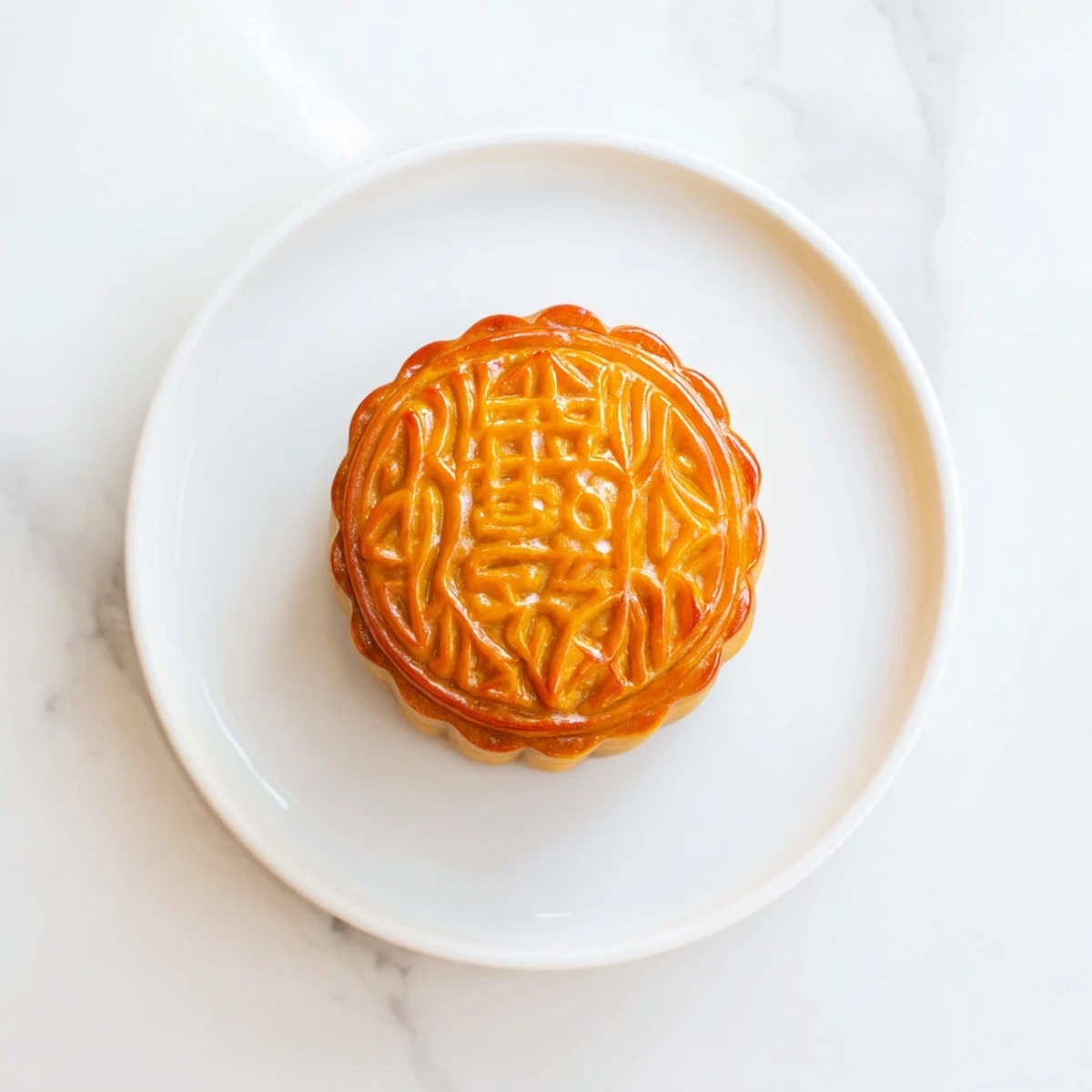
- Bake at 180°C for 5 minutes, then brush with egg wash. Return to oven for 15-20 minutes until deeply golden. Let cool completely—the pastry will seem crisp at first but softens beautifully after a day of resting.
 Save
Save My grandmother kept her mooncakes in a special tin lined with parchment, almost like storing treasure. She'd insist we wait exactly two days before eating them, and now I understand why—that patience transforms them from merely good into something absolutely transcendent.
Working With Traditional Molds
Wooden molds develop a seasoned patina over time that helps release mooncakes more easily. If you're using a new mold, dust it generously with flour and tap out the excess before each press. Plastic molds work beautifully too, but nothing quite matches the nostalgic satisfaction of a wooden press that's been used for generations.
Perfecting Your Filling Ratio
The classic mooncake ratio is roughly one part pastry to two parts filling by weight. If your dough keeps tearing while wrapping, your filling balls might be too large. Try weighing each portion precisely until you find the sweet spot for your particular mold size. The goal is a thin, even layer of dough that doesn't overwhelm the filling.
Storage and Serving Wisdom
Store cooled mooncakes in an airtight container at room temperature for up to two weeks. They actually improve with time, so don't rush to serve them immediately. For gifting, wrap each mooncake individually in small squares of parchment or decorative paper before placing in gift boxes.
- Slice mooncakes into small wedges to serve traditionally with hot tea
- If you've made more than you can eat quickly, freeze them for up to three months
- The classic pairing is oolong or pu-erh tea to balance the rich sweetness
 Save
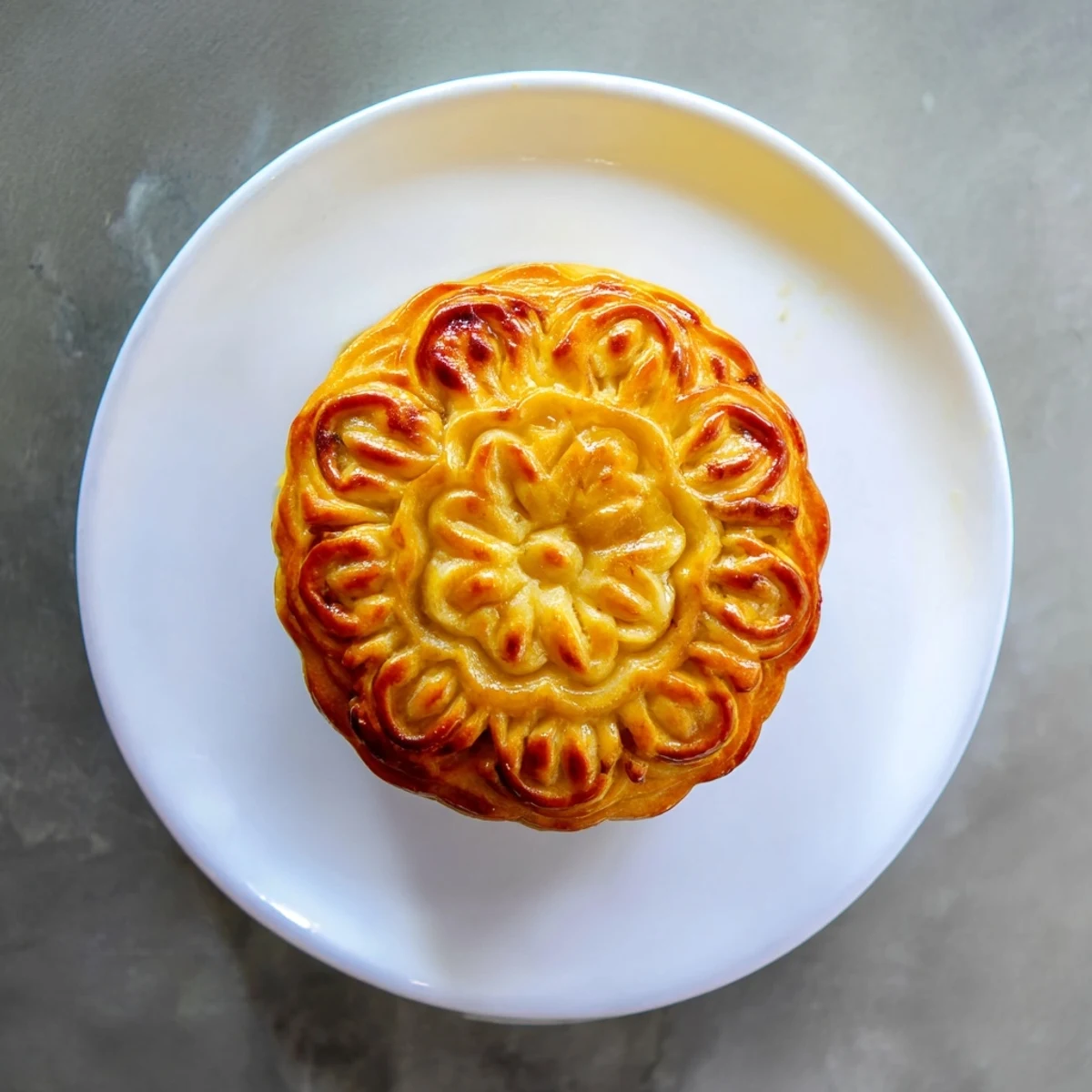
Save There's something magical about cutting into that first mooncake and revealing the golden center you carefully hidden inside. May your Mid-Autumn Festival be filled with warm tea, good company, and perfectly golden pastries.
Recipe FAQs
- → What makes the pastry golden and tender?
-
The combination of golden syrup and alkaline water creates the distinctive golden color while keeping the pastry tender. Resting the dough for 2 hours is crucial for proper texture development.
- → Can I make mooncakes without a mold?
-
While traditional molds create the classic decorative pattern, you can shape them by hand or use small tart pans. The result will still taste authentic, though appearance will differ.
- → Why do mooncakes need to rest after baking?
-
Resting allows the pastry to soften and the filling to meld with the dough. Freshly baked mooncakes tend to be firm, but after 1-2 days, they achieve that signature tender, melt-in-your-mouth texture.
- → What can I substitute for salted egg yolks?
-
Whole roasted nuts like macadamias, walnuts, or cashews work beautifully. You can also use just lotus paste without any center filling for a simpler version.
- → How should I store mooncakes?
-
Keep them in an airtight container at room temperature for up to 1 week. For longer storage, refrigerate for 2-3 weeks or freeze for up to 3 months. Bring to room temperature before serving.
- → Is lotus seed paste necessary or can I use other fillings?
-
Red bean paste, date paste, or five-spice pork filling are common alternatives. Each brings unique flavors while maintaining the traditional mooncake experience.