
 Save
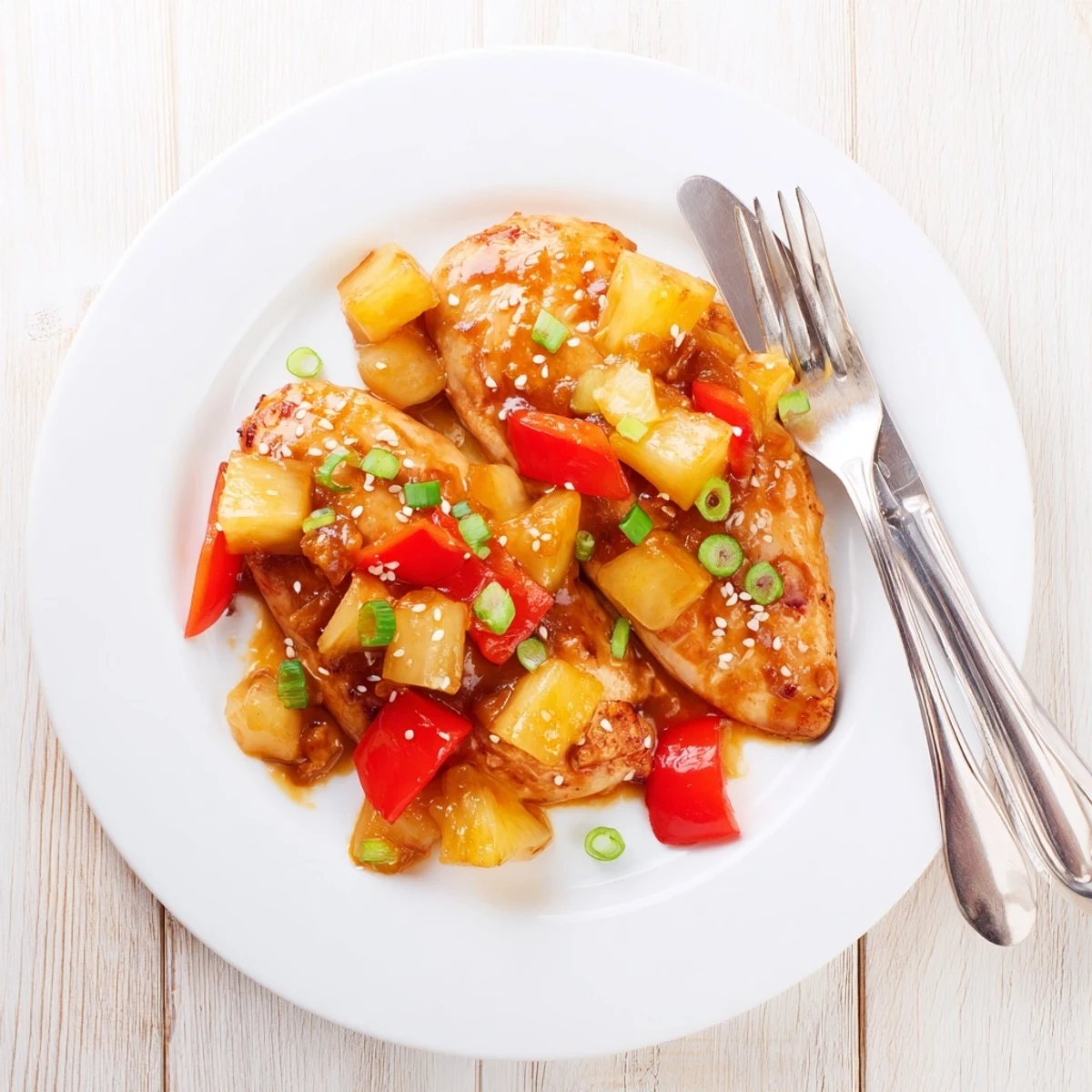
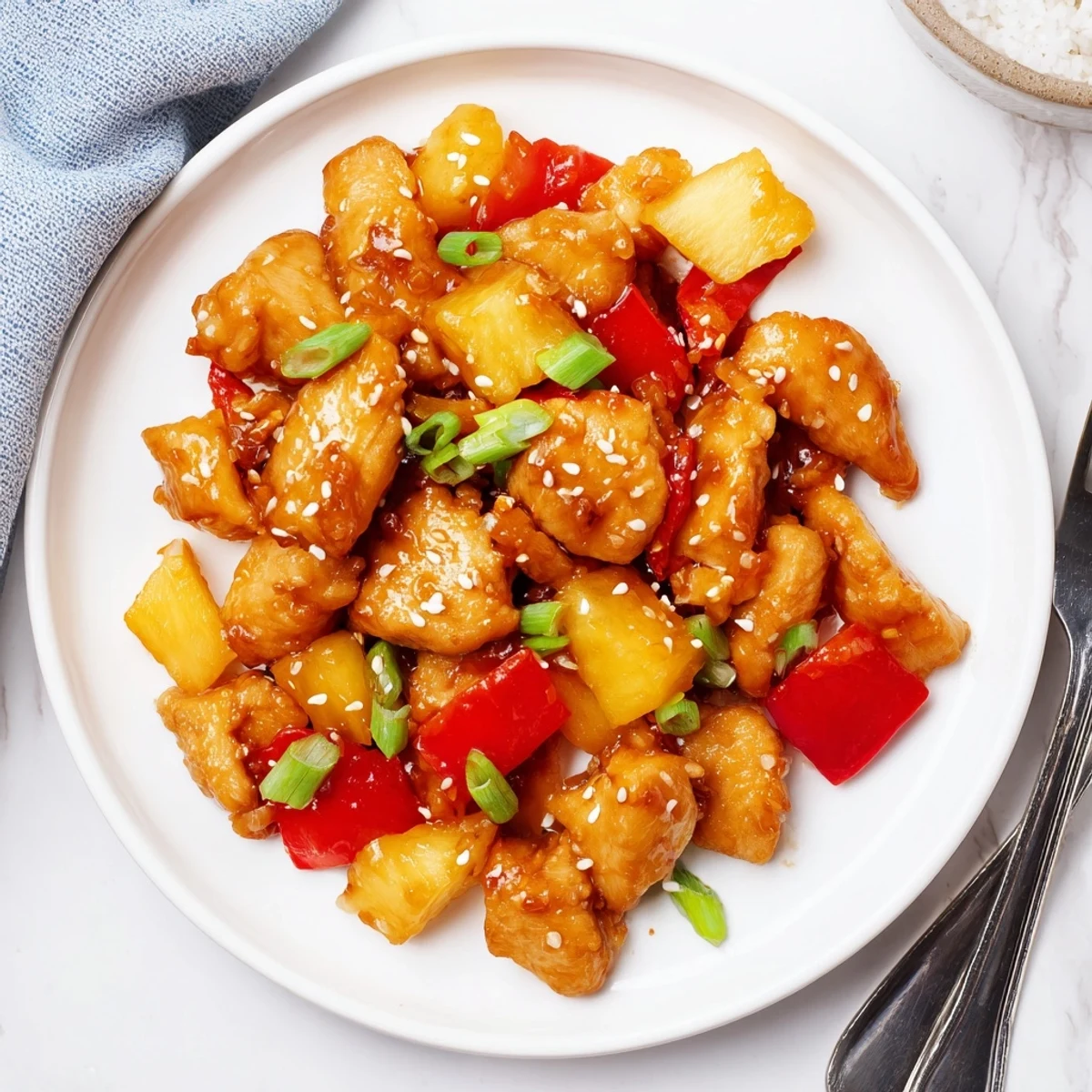
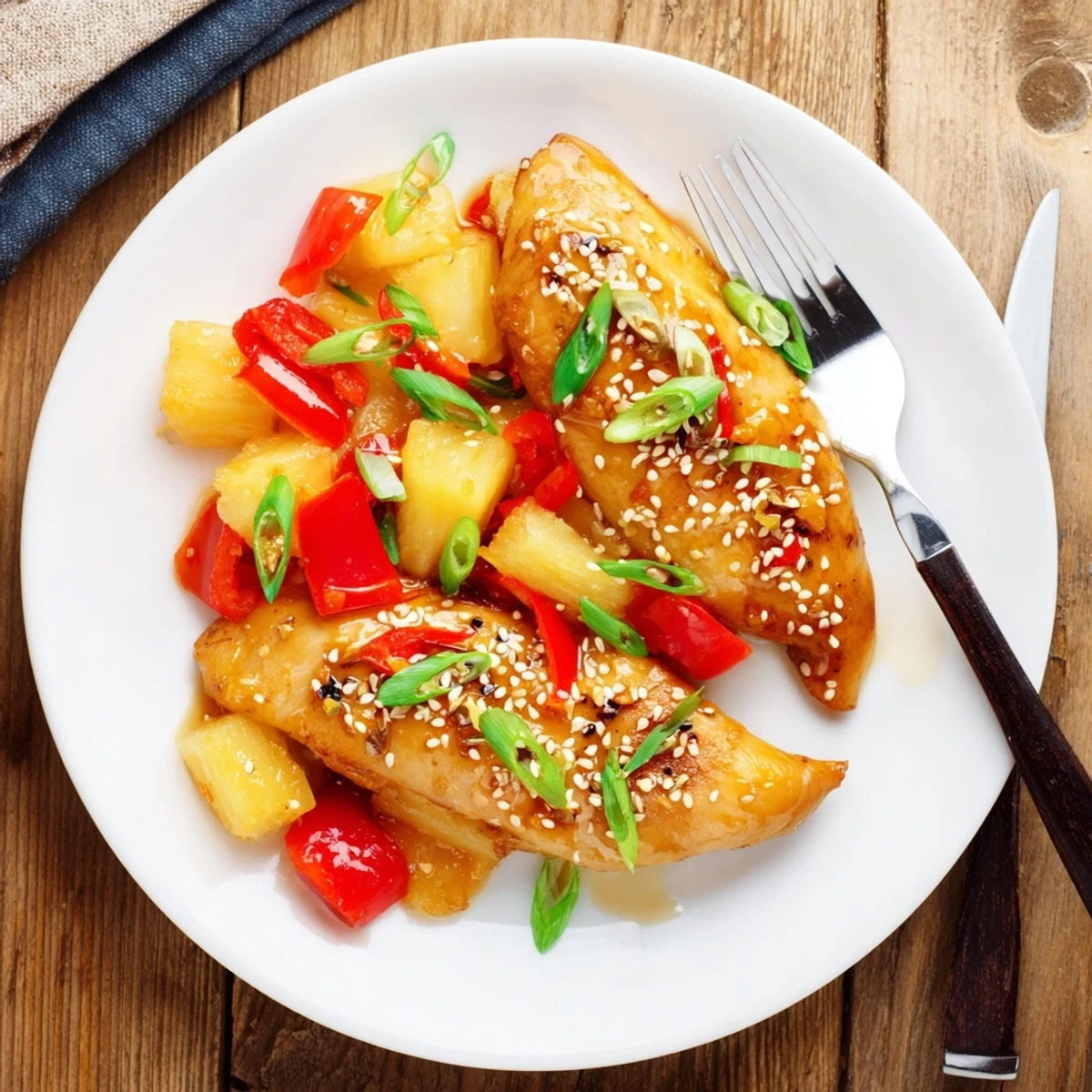
Save This Hawaiian chicken brings tropical flavors straight to your dinner table. Boneless chicken breasts are pan-seared until golden, then coated in a luscious pineapple soy glaze built with brown sugar, rice vinegar, garlic, and fresh ginger.
Chunks of pineapple and diced red bell pepper add color and texture to the thick, glossy sauce. A garnish of sliced green onions and sesame seeds finishes the dish beautifully.
Serve over steamed jasmine or coconut rice to soak up every drop of that sweet and savory sauce. Ready in just 45 minutes, it's an easy weeknight meal that tastes like a vacation.
There is something about the smell of caramelizing brown sugar and pineapple that makes the whole kitchen feel like a vacation. My first attempt at Hawaiian chicken happened on a rainy Tuesday when I was desperate to pretend I was somewhere tropical instead of hunched over a stovetop. The sauce bubbled and reduced into this glossy amber glaze that had me tasting it straight from the pan with a spoon. It has been in my regular dinner rotation ever since.
I made this for a friend who claimed she did not like fruit with her meat, and she went back for seconds before I even sat down to eat. Now she texts me every couple of months asking for the recipe, and I send it every single time because sharing a good thing never gets old.
Ingredients
- 4 boneless skinless chicken breasts: Pound them to even thickness so nothing ends up dry on one end and raw on the other.
- Salt and pepper: Season generously because the sauce needs a well seasoned base to land on.
- 1 tablespoon vegetable oil: A neutral oil keeps the chicken from sticking without competing with the tropical flavors.
- 1 cup pineapple juice: Fresh squeezed is wonderful but canned works beautifully and saves you the effort.
- 1/3 cup soy sauce: Use gluten free tamari if you need to, and reach for a brand you actually like the taste of.
- 1/4 cup brown sugar: This is what turns the sauce into a glossy glaze as it simmers and reduces.
- 2 tablespoons rice vinegar: A splash of acidity that keeps everything balanced and bright.
- 3 cloves garlic minced: Fresh garlic only, because the jarred stuff gets lost in this assertive sauce.
- 1 tablespoon grated fresh ginger: Freeze your ginger beforehand and it grates into a fine paste with zero effort.
- 1 tablespoon cornstarch mixed with 2 tablespoons water: This slurry is the thickening magic that turns juice into sauce.
- 1 cup pineapple chunks: Fresh or canned both work, just drain them well so the sauce does not water down.
- 1 red bell pepper diced: The crunch and color are worth the extra chop.
- 2 green onions sliced: Scattered on top at the very end for a sharp fresh finish.
- Sesame seeds for garnish: Optional but they add a toasty little crunch that ties everything together.
Instructions
- Season and Sear the Chicken
- Pat the chicken dry and season both sides with salt and pepper, then heat the oil in a large skillet over medium high heat until it shimmers. Lay the chicken in and let it cook undisturbed for five to six minutes per side until you get a deep golden crust and the juices run clear.
- Build the Sauce Base
- Take the chicken out and set it on a plate, then pour the pineapple juice, soy sauce, brown sugar, rice vinegar, garlic, and ginger right into the same hot skillet. Stir everything together, scraping up those beautiful browned bits from the bottom, and bring it to a gentle simmer.
- Add the Fruit and Vegetables
- Toss in the pineapple chunks and diced bell pepper and let them bubble in the sauce for three to four minutes until the pepper softens slightly but still has some bite.
- Thicken the Glaze
- Give your cornstarch slurry one last stir and pour it into the skillet, stirring constantly for about two minutes until the sauce transforms from thin liquid into a silky coating that clings to the back of a spoon.
- Bring It All Together
- Nestle the chicken back into the sauce, turning each piece so it gets completely wrapped in that amber glaze, and let it simmer for five minutes so the flavors really sink in.
- Finish and Serve
- Scatter green onions and sesame seeds over the top and serve it straight from the skillet alongside a pile of steamed rice.
 Save
Save The night I realized this dish had become a staple was when my partner started setting out plates before I even asked. Small moments like that remind me that the best recipes are not just about flavor but about the people who keep showing up to eat them with you.
Smart Swaps and Variations
Chicken thighs work beautifully here if you prefer dark meat, and they actually stay juicier if you tend to accidentally overcook chicken breasts. For a vegetarian spin, press and cube firm tofu, then pan fry it until crispy before glazing it in the same sauce. A pinch of red pepper flakes stirred into the sauce adds a gentle warmth that does not overpower the sweetness but keeps things interesting.
What to Serve Alongside
Steamed jasmine rice is the obvious choice because it soaks up every drop of that tangy sauce, but coconut rice takes things to another level entirely. I have also served this over a bed of lightly dressed greens when I wanted something lighter, and the contrast of warm saucy chicken against cool crisp lettuce was surprisingly satisfying.
Getting Ahead and Storing Leftovers
This reheats remarkably well the next day, though the bell pepper loses some of its crunch, so if that bothers you just add fresh ones when you warm it up. The sauce actually tastes even deeper after sitting overnight in the fridge as the flavors continue to meld together.
- Store leftovers in an airtight container in the refrigerator for up to three days.
- Reheat gently on the stove with a splash of water to loosen the sauce.
- Freeze portions without the garnishes for up to two months and thaw overnight in the fridge.
 Save
Save Some recipes become favorites because they are impressive, and some earn their spot simply because they make an ordinary evening feel a little brighter. This Hawaiian chicken is firmly in the second category, and I hope it brings that same easy warmth to your table.
Recipe FAQs
- → Can I use chicken thighs instead of breasts?
-
Yes, boneless skinless chicken thighs work wonderfully and tend to stay juicier. Adjust the cooking time by a few minutes as thighs may take slightly longer to cook through.
- → What can I substitute for pineapple juice?
-
If you don't have pineapple juice, you can use orange juice mixed with a splash of lemon juice for a similar tangy sweetness. The flavor will differ slightly but still pairs well with the soy sauce base.
- → How do I store and reheat leftovers?
-
Store leftovers in an airtight container in the refrigerator for up to 3 days. Reheat gently in a skillet over medium-low heat or in the microwave until warmed through. Add a splash of water if the sauce has thickened too much.
- → Is this dish gluten-free?
-
It can be gluten-free if you use a certified gluten-free soy sauce or tamari. Double-check all ingredient labels, especially the soy sauce and cornstarch, to ensure they meet your dietary needs.
- → What sides go best with Hawaiian chicken?
-
Steamed jasmine rice or coconut rice are classic pairings that absorb the flavorful sauce beautifully. You could also serve it with steamed broccoli, a crisp green salad, or stir-fried vegetables for a complete meal.
- → Can I make this ahead of time?
-
You can prepare the sauce mixture a day in advance and store it in the refrigerator. When ready to cook, sear the chicken and proceed with the sauce. The flavors actually deepen when leftovers are reheated the next day.