
 Save
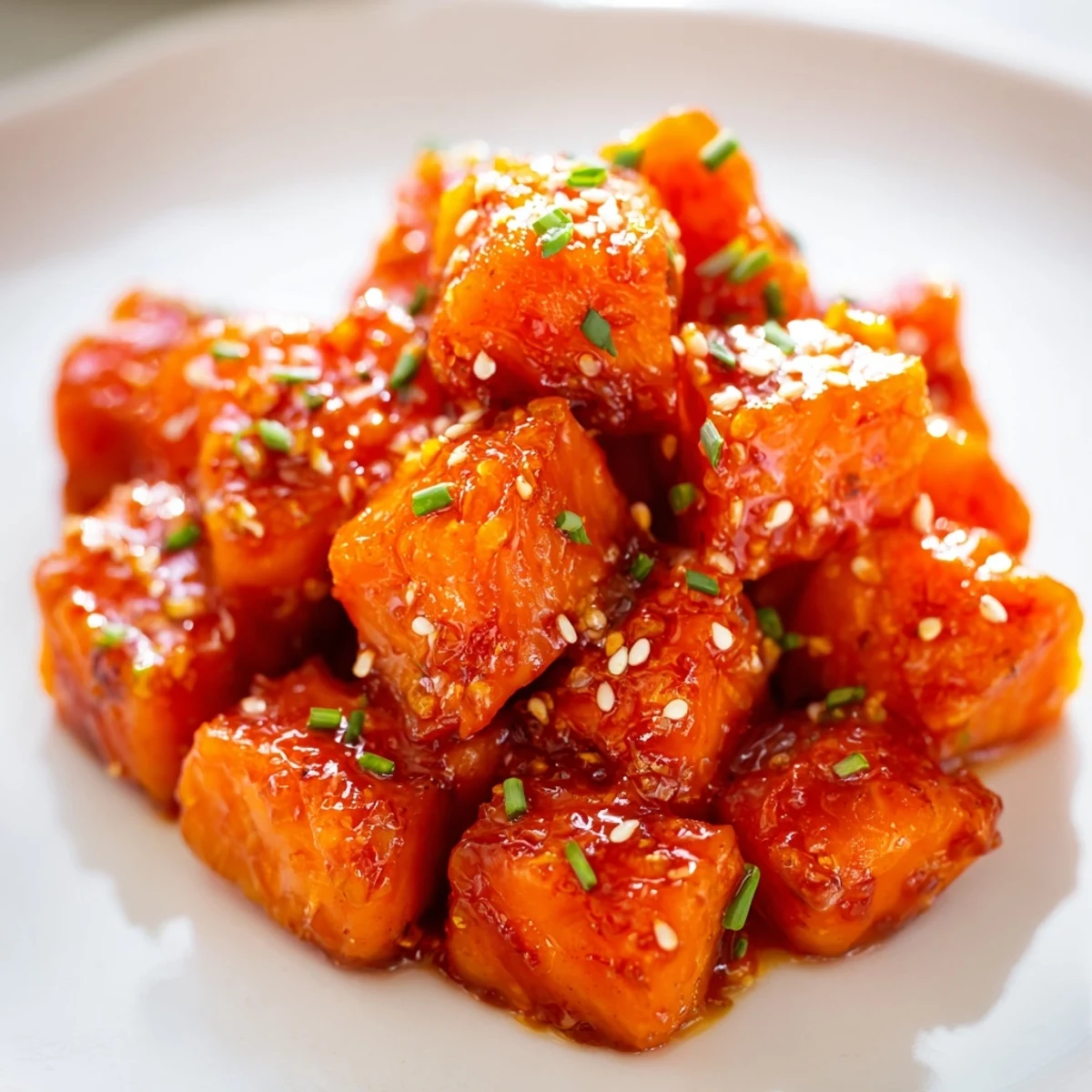
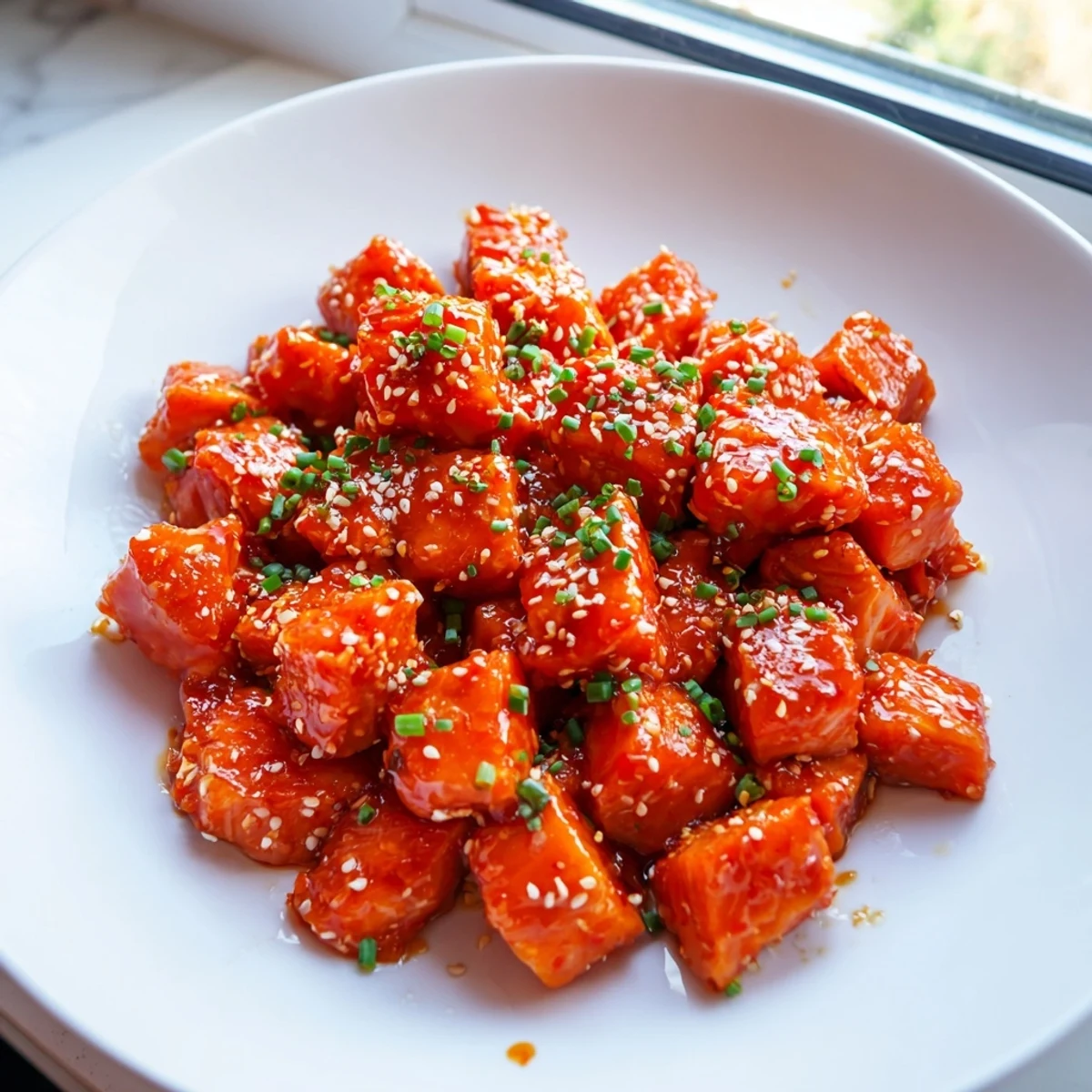
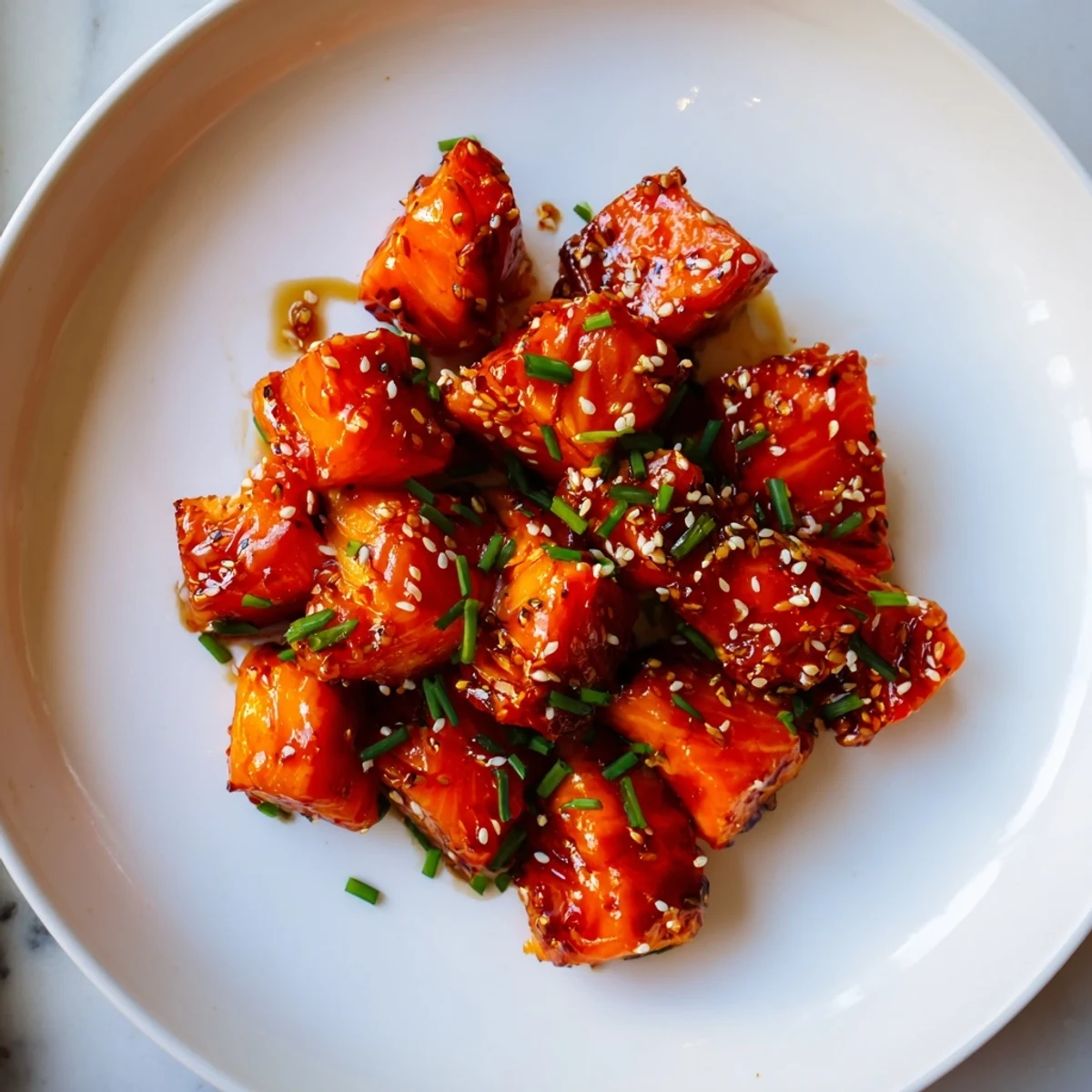
Save These hot honey salmon bites feature tender, oven-baked salmon cubes enveloped in a luscious sticky glaze made from honey, hot sauce, and soy sauce.
Ready in just 30 minutes with minimal prep, they work beautifully as a party appetizer or a quick weeknight main. The smoked paprika marinade adds depth while the sweet-heat balance keeps everyone reaching for more.
Serve them over steamed rice, tucked into lettuce cups, or on their own as irresistible bite-sized treats.
The kitchen smelled like caramelized sugar and chili the night my neighbor walked over asking what on earth I was making at ten on a Tuesday. I handed her a salmon bite on a toothpick through the back door and she stood there in her slippers eating three more before going home. That is the power of hot honey glaze on crispy edged salmon cubes. It turns ordinary weeknights into something worth remembering.
I brought these to a friends potluck last spring assuming they would be a side attraction next to the brisket and the pasta salad. The bowl was scraped clean before the main course even hit the table and two people texted me for the recipe that same night.
Ingredients
- Skinless salmon fillet (500 g): Cut into even bite sized cubes so everything cooks at the same rate and you get that perfect tender center.
- Olive oil (1 tbsp): Helps the spices adhere and creates those slightly crisp edges in the oven.
- Garlic powder (1/2 tsp): Distributes more evenly than fresh minced and gives a mellow savory base.
- Smoked paprika (1/2 tsp): Adds a whisper of smokiness that makes the sweet sauce feel more complex.
- Salt and black pepper (1/4 tsp each): Just enough to wake up the fish before the glaze takes over.
- Honey (1/3 cup): The backbone of the glaze and it caramelizes beautifully in the oven.
- Hot sauce such as sriracha (1 to 2 tbsp): Start with one tablespoon and taste before adding more because you can always add heat but you cannot take it away.
- Soy sauce or tamari (1 tbsp): Provides salt and umami that rounds out the sweetness perfectly.
- Lemon juice or apple cider vinegar (1 tsp): A tiny hit of acidity that keeps the glaze from tasting one note.
- Sesame seeds and chopped chives for garnish: Totally optional but they add color and a little crunch that makes the dish look finished.
Instructions
- Preheat and prepare:
- Set your oven to 200 degrees Celsius which is 400 Fahrenheit and line a baking tray with parchment paper so nothing sticks and cleanup is effortless.
- Season the salmon:
- Toss the cubes in a large bowl with olive oil, garlic powder, smoked paprika, salt, and pepper until every piece is evenly coated and fragrant.
- Spread and bake:
- Arrange the salmon in a single layer with space between each piece so they roast instead of steam and bake for 8 to 10 minutes until lightly golden and just cooked through.
- Make the hot honey sauce:
- While the fish bakes combine honey, hot sauce, soy sauce, and lemon juice in a small saucepan over medium low heat, stirring until the mixture is smooth and just starting to bubble after about 2 to 3 minutes.
- Toss and glaze:
- Transfer the baked salmon to a clean bowl and pour the warm sauce over the top, tossing gently so each cube gets coated without falling apart.
- Optional caramelization:
- For a stickier more caramelized finish spread the sauced bites back on the tray and return them to the oven for 2 to 3 minutes until the glaze sets.
- Garnish and serve:
- Scatter sesame seeds and chopped chives over the top and serve immediately while the glaze is still glossy and warm.
 Save
Save There is something deeply satisfying about watching someone bite into one of these and pause mid chew with wide eyes because the heat and sweetness hit at the exact same moment.
How I Like to Serve Them
Over a bowl of jasmine rice with a squeeze of extra lime they become a full dinner that feels indulgent without much effort. For parties I thread them onto small skewers with a cucumber slice between each bite and people treat them like the star of the table.
Adjusting the Heat Level
My partner likes things mild so I split the sauce into two bowls before adding hot sauce and spike only one of them. A pinch of cayenne in the spiced batch satisfies my craving for real fire without burning anyone else out.
What to Drink Alongside
A cold Sauvignon Blanc cuts through the richness and mirrors the citrus in the glaze beautifully. For something nonalcoholic try sparkling water with a wedge of lime and a thin slice of fresh ginger floated on top. Here are a few pairings worth trying.
- Dry riesling works if you want something with a little more body and stone fruit warmth.
- Iced green tea with honey is a soothing match if the hot sauce ran away from you.
- Cold sparkling water with lemon keeps things simple and lets the salmon be the main event.
 Save
Save Keep this one in your back pocket for the nights you want something impressive without earning it. The glaze does all the talking.
Recipe FAQs
- → Can I use frozen salmon for this dish?
-
Yes, frozen salmon works well. Thaw it completely in the refrigerator overnight and pat the cubes dry with paper towels before marinating to ensure proper glaze adhesion.
- → How do I adjust the spice level?
-
Start with 1 tablespoon of hot sauce for mild heat and work your way up to 2 tablespoons or more. Adding a pinch of cayenne pepper to the sauce will also intensify the spiciness.
- → What's the best way to get a stickier glaze?
-
After tossing the baked salmon in the sauce, return it to the oven for 2-3 minutes. This caramelizes the honey and creates that irresistible sticky coating on each bite.
- → Can I pan-fry instead of baking the salmon?
-
Absolutely. Sear the salmon cubes in a hot skillet with a little oil for 2-3 minutes per side until golden. Then toss with the warm sauce just before serving.
- → How should I store and reheat leftovers?
-
Store leftover salmon bites in an airtight container in the refrigerator for up to 2 days. Reheat gently in a 160°C (325°F) oven for about 8 minutes to maintain texture without overcooking the fish.
- → What can I substitute for soy sauce?
-
Tamari is the best gluten-free alternative. Coconut aminos also work well for a slightly sweeter, soy-free option, though you may want to reduce the honey slightly to balance the sweetness.