
 Save
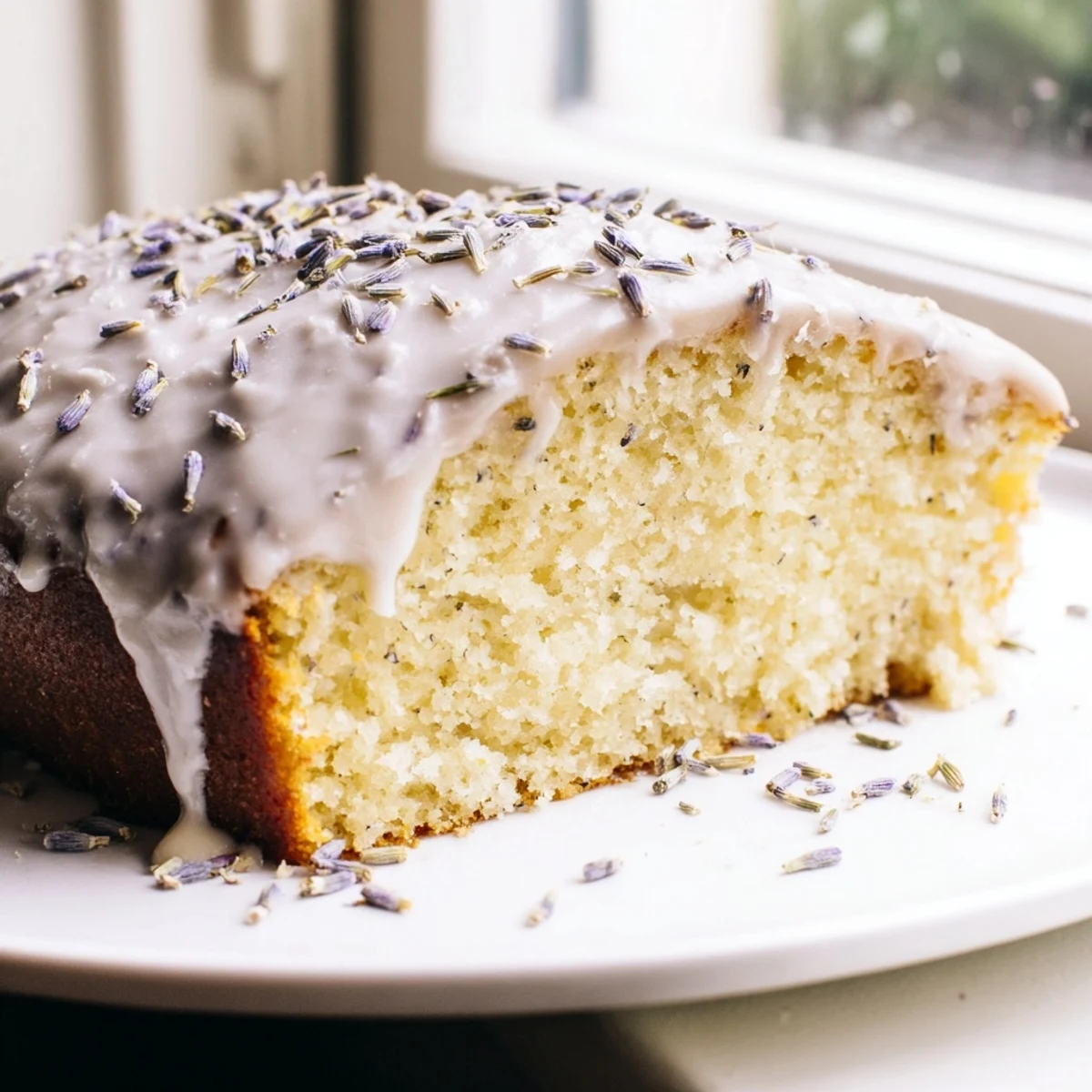
Save This lavender cake brings together the subtle, fragrant notes of culinary lavender with a moist, tender crumb. The batter combines butter and sugar creamed to light perfection, enhanced with vanilla and chopped lavender buds.
An optional lavender syrup soaks into the warm cake layers, intensifying the floral character. The finishing touch is a bright lavender-lemon glaze that adds both visual appeal and a citrusy contrast to the herbal undertones.
Best served at room temperature, this European-style dessert pairs wonderfully with Earl Grey tea and makes an elegant centerpiece for afternoon gatherings or special occasions.
The smell of lavender always takes me back to my aunties garden in Provence, where purple hills rolled endlessly and the air itself felt perfumed. One summer afternoon, she taught me that the same flowers scenting her linen closet could transform a simple butter cake into something that tasted like a French vacation. That first bite changed how I think about baking forever.
I made this for a spring baby shower last year and watched three grown women close their eyes mid conversation to savor their first bite. One of them actually asked if she could take the leftover cake home instead of a party favor. Now it is requested for every gathering from April through August.
Ingredients
- All purpose flour: The backbone of this cake, providing structure without competing with the delicate lavender flavor.
- Baking powder: Essential for that light, tender crumb that makes each bite feel like a cloud.
- Salt: Just a pinch to balance the sweetness and make the floral notes pop.
- Unsalted butter: Bring it to room temperature so it creams properly with the sugar for maximum fluffiness.
- Granulated sugar: White sugar keeps the crumb pale and lets the purple lavender specks shine through beautifully.
- Eggs: Large eggs work best here, added one at a time to keep the batter emulsified and smooth.
- Culinary lavender buds: Must be food grade and finely chopped to release their oils and distribute flavor evenly throughout the cake.
- Vanilla extract: Rounds out the floral notes and adds warmth to the overall flavor profile.
- Whole milk: Adds richness and helps create that tender, melt in your mouth texture we all want.
- Powdered sugar: For the glaze, creates that beautiful white drizzle that hardens just enough to be pretty but not crunchy.
- Fresh lemon juice: Brightens everything and cuts through the floral sweetness with welcome acidity.
Instructions
- Prep your pan:
- Preheat to 350°F and grease your 8 inch pan generously, dusting with flour so the cake releases cleanly later.
- Whisk dry ingredients:
- Combine flour, baking powder, and salt in a bowl, whisking to aerate and evenly distribute the leavening.
- Cream butter and sugar:
- Beat until pale and fluffy, about 3 minutes, scraping the bowl once to ensure even mixing throughout.
- Add eggs and flavor:
- Beat in eggs one at a time, then mix in the chopped lavender and vanilla until fragrant and combined.
- Combine wet and dry:
- Alternate adding flour mixture and milk, starting and ending with flour, mixing just until no dry streaks remain.
- Bake the cake:
- Pour into prepared pan, smooth the top, and bake 25 to 30 minutes until a toothpick comes out clean from the center.
- Make the optional syrup:
- While baking, simmer water, sugar, and lavender for 3 minutes, then strain and set aside for brushing onto the warm cake.
- Cool and soak:
- Let cake cool 10 minutes, poke holes if using syrup, brush generously, then cool completely before glazing.
- Glaze and serve:
- Whisk powdered sugar with lemon juice and lavender until smooth, drizzle over cooled cake, and let set before slicing.
 Save
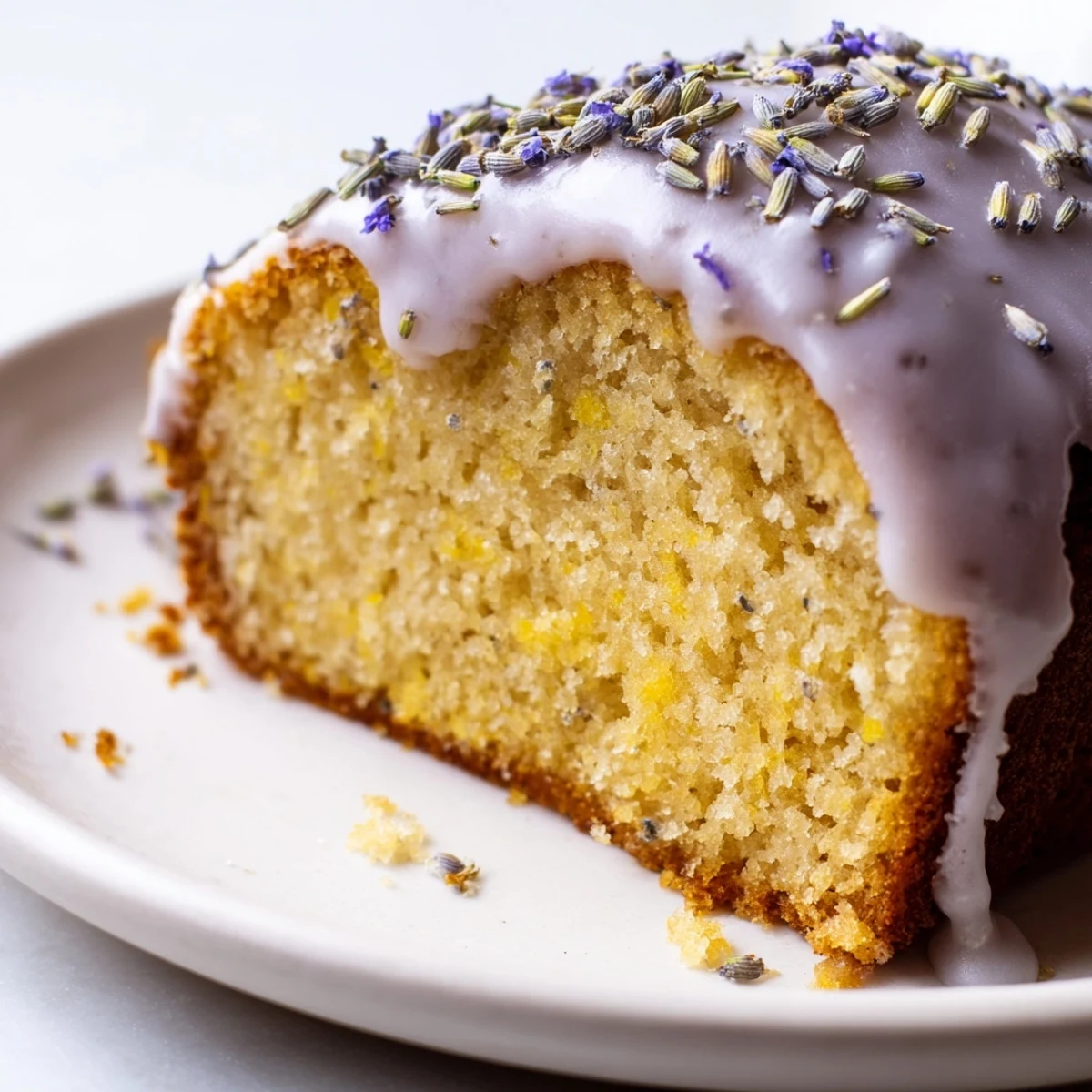
Save The moment I knew this recipe was special happened during a quiet Tuesday when I baked it just for myself. Sitting at the kitchen counter with a slice and a cup of Earl Grey, watching afternoon light catch the purple specks in the glaze, I realized some desserts are meant to be savored in solitude.
Working with Lavender
Treat lavender like a spice rather than a herb because a little goes a long way and too much tastes like perfume. I learned this the hard way when my first attempt used three tablespoons and guests politely pretended to enjoy their soap flavored dessert.
Making It Your Own
The lemon glaze can be swapped for a cream cheese frosting if you prefer something richer, or skipped entirely for a simpler tea cake situation. Sometimes I add lemon zest to the batter itself for a more pronounced citrus character that plays beautifully against the floral notes.
Serving Suggestions
This cake shines brightest when served at room temperature with something warm to drink, as heat brings out the aromatic qualities. The flavors also develop overnight, making it an excellent choice for baking a day ahead of your gathering.
- Pair with Earl Grey or chamomile tea for an afternoon treat that feels intentionally curated.
- A glass of sparkling rosé turns this simple cake into something worthy of celebration.
- Fresh berries on the side add color and a tart contrast that elevates the whole experience.
 Save
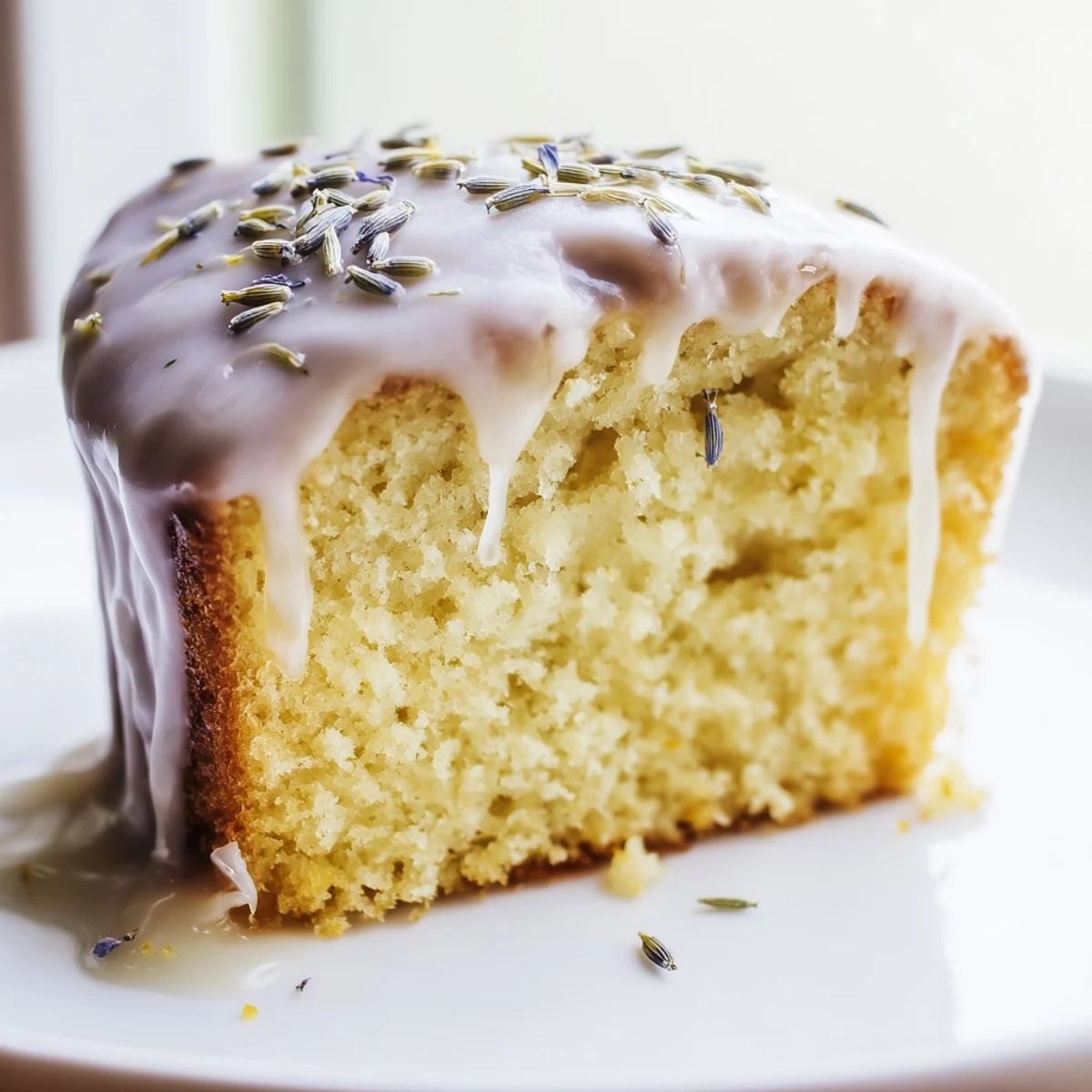
Save Every time I bake this cake, that first whiff of lavender wafting from the oven transports me back to those purple hills. Some recipes are just food, but this one is a postcard from a summer that changed everything.
Recipe FAQs
- → Can I use dried lavender from my garden?
-
Only use culinary-grade lavender specifically labeled for cooking. Ornamental lavender may contain pesticides or have an overly strong, soapy flavor that will overwhelm the cake.
- → Why is my lavender cake tasting soapy?
-
Too much lavender or insufficient chopping creates an unpleasant soapy taste. Use the measured amount and finely chop the buds to distribute the flavor evenly throughout the batter.
- → Can I make this cake ahead of time?
-
The unfrosted cake keeps for up to three days at room temperature when wrapped tightly. Add the glaze on the day of serving for the best presentation and texture.
- → What pairs well with lavender cake?
-
Earl Grey tea complements the floral notes beautifully. Fresh berries, lemon curd, or a dollop of whipped cream also make excellent accompaniments.
- → How do I know when the cake is properly baked?
-
Insert a toothpick into the center after 25 minutes. It should come out clean or with just a few moist crumbs. The edges will also pull slightly away from the pan.