
 Save
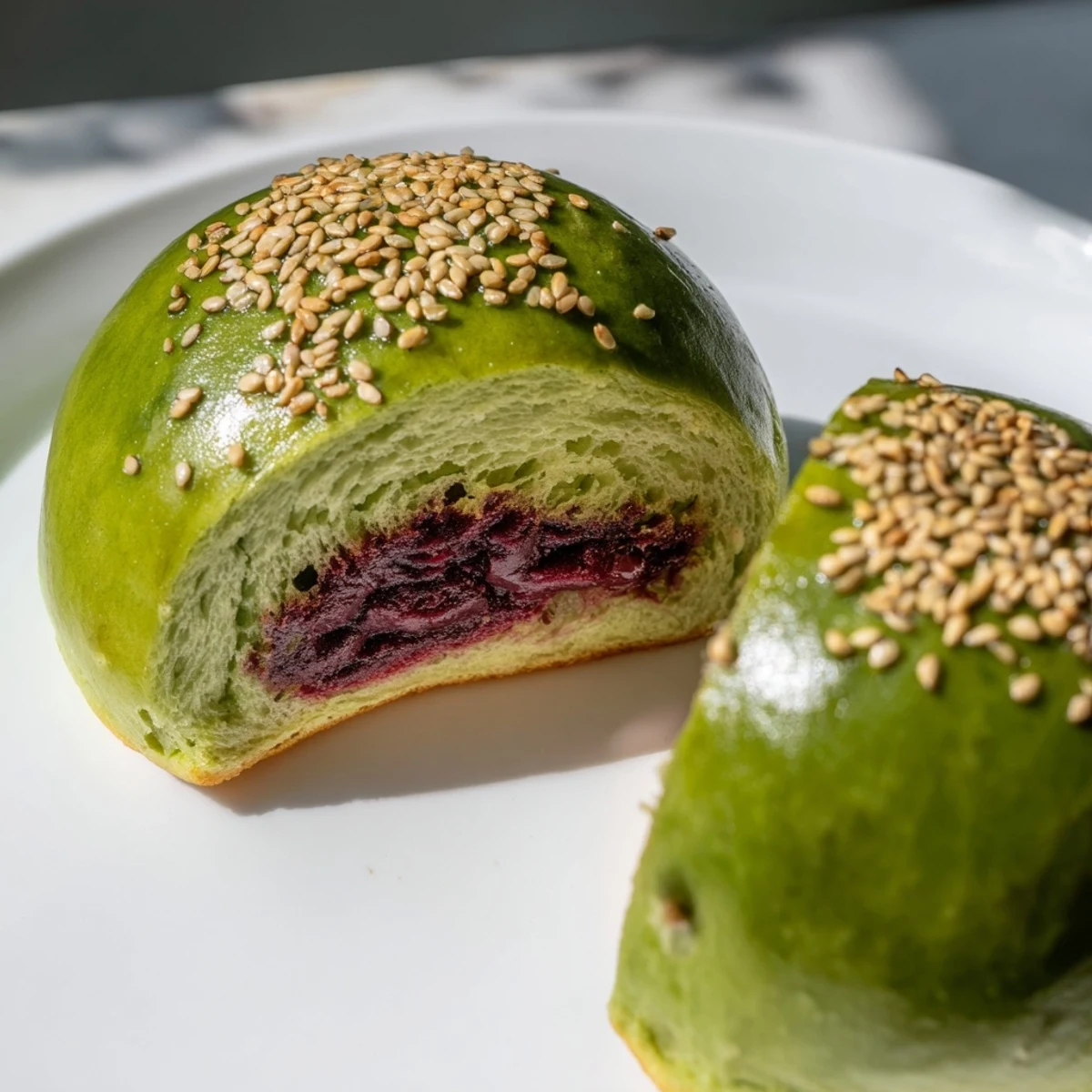
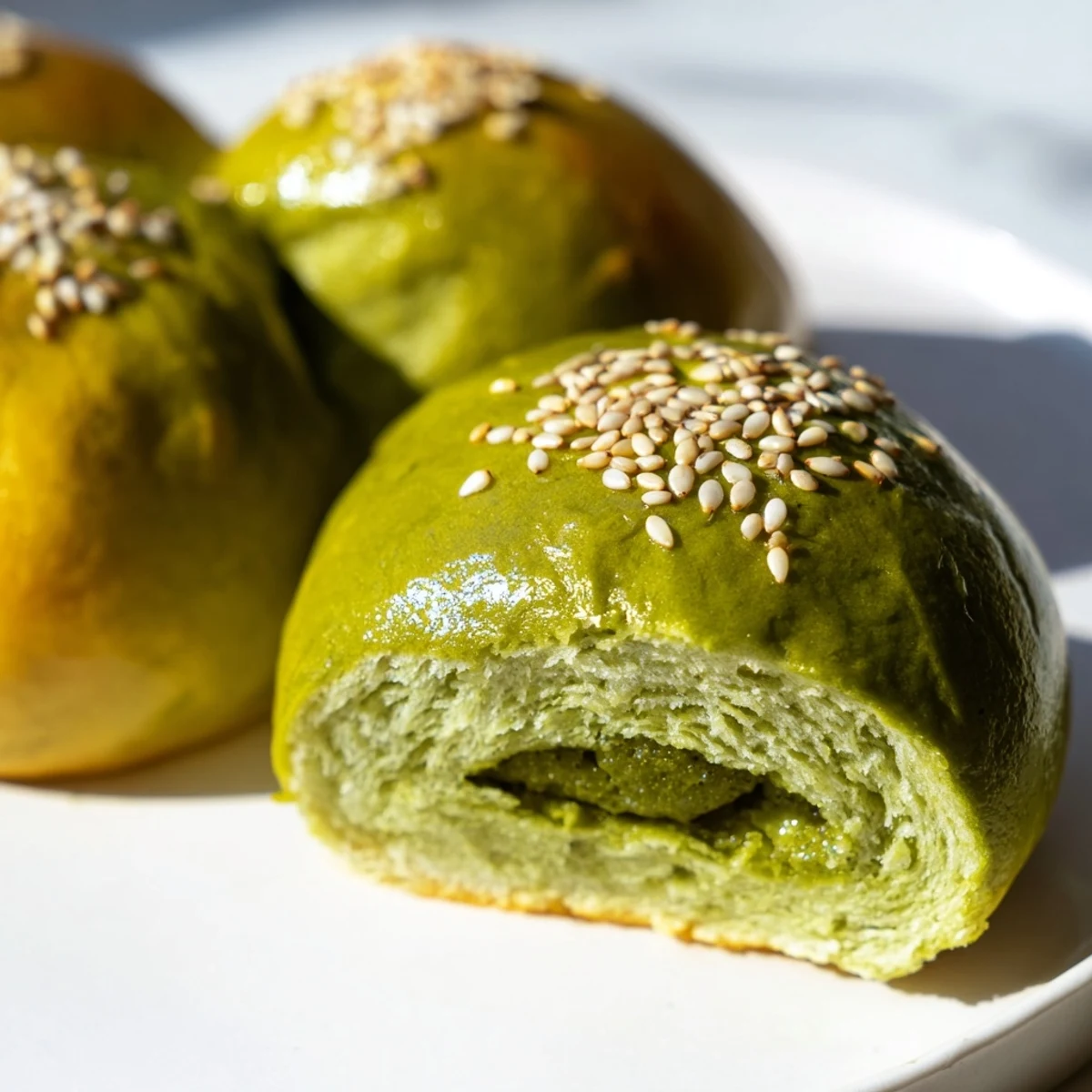
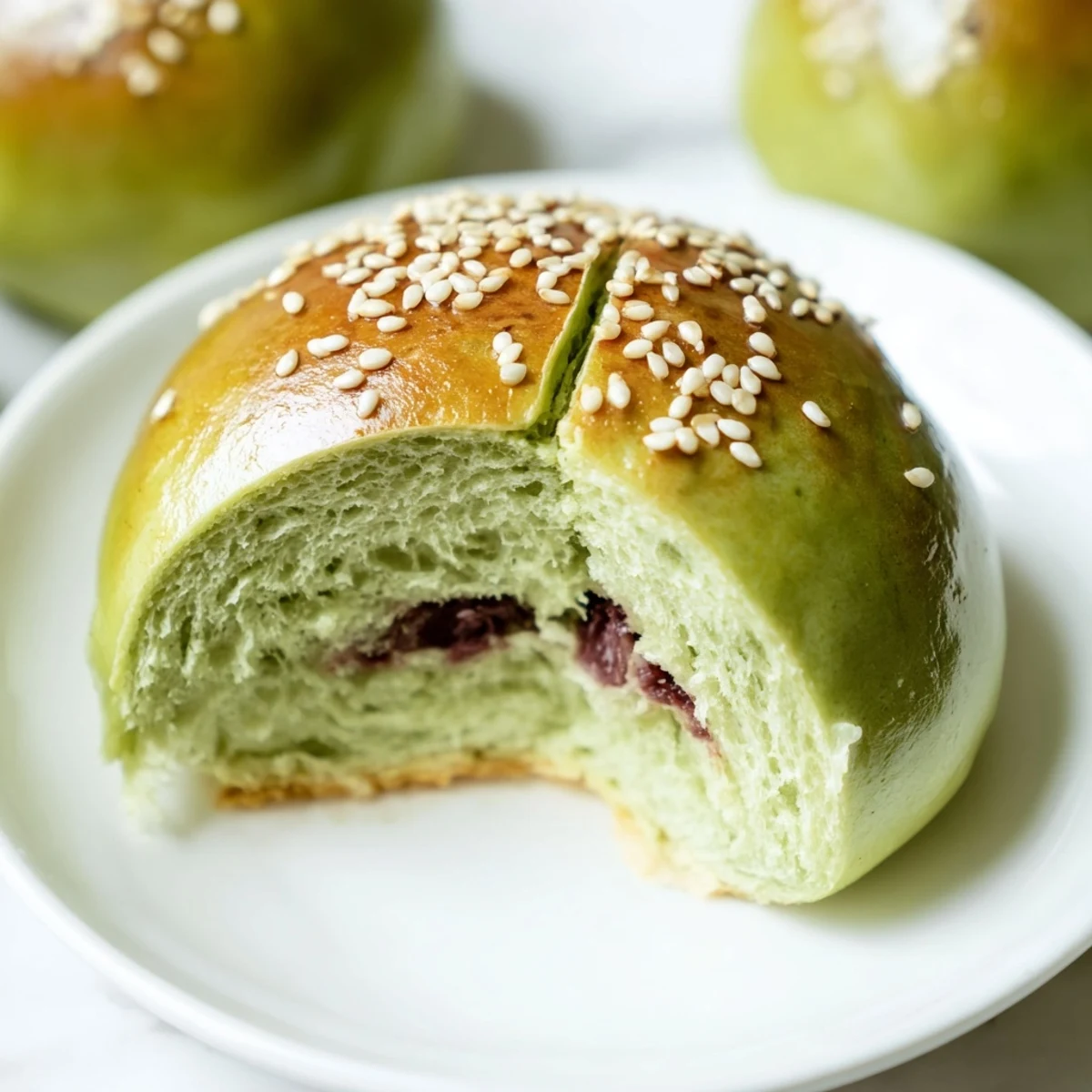
Save These soft, pillowy matcha buns feature a tender green tea dough enriched with butter and eggs, wrapped around a center of sweet red bean paste. The earthy matcha perfectly balances the creamy anko filling, creating a beloved Japanese fusion combination. After two rising periods, the buns develop an airy, cloud-like texture that's ideal for breakfast or afternoon tea. The vibrant green exterior speckled with sesame seeds makes these as visually appealing as they are delicious. Best served warm when the filling becomes slightly gooey and the dough is at its fluffiest.
The first time I attempted matcha buns, my kitchen looked like a crime scene with green powder everywhere. I'd ordered ceremonial grade matcha online and couldn't wait to bake something special with it. Those early attempts were dense and slightly bitter, but I kept experimenting until the texture became impossibly soft. Now these green tea speckled buns are a weekend ritual I actually look forward to.
Last spring my neighbor walked over while I had a batch rising, curious about the emerald dough proofing on my counter. I ended up giving her still warm buns straight from the oven, and she texted me that night asking for the recipe. There's something so satisfying about watching people discover this combination for the first time, watching their eyes light up at that first taste of sweet bean against fragrant tea.
Ingredients
- Bread flour: Higher protein content gives these buns their signature bounce and structure
- Matcha powder: Culinary grade works perfectly here, no need to splurge on ceremonial
- Instant yeast: Skip the proofing step and go straight to mixing
- Whole milk: Creates tender dough, though heavy cream makes them even softer
- Unsalted butter: Room temperature is nonnegotiable for proper incorporation
- Sweetened red bean paste: Homemade or store bought both work beautifully
Instructions
- Mix the foundation:
- Whisk bread flour, matcha, sugar, yeast, and salt in a large bowl until evenly distributed
- Bring it together:
- Pour in lukewarm milk and crack in the egg, stirring until shaggy dough forms
- Knead until transformed:
- Work in softened butter for 10 minutes by hand until dough passes the windowpane test
- Let it rise:
- Place dough in a greased bowl, cover, and wait until doubled, about one hour
- Portion and fill:
- Divide into 12 pieces, flatten each disc, and tuck red bean paste inside, pinching edges tight
- Second proof:
- Cover buns and let them puff up for 40 minutes until they look pillowy and relaxed
- Finish and bake:
- Brush with egg wash, add sesame seeds if you like, and bake at 350°F until golden
 Save
Save My sister visited last autumn and we spent a rainy Sunday making these together, flour everywhere, tea steaming on the counter. She's usually intimidated by yeast doughs but this recipe is so forgiving she felt like a pro by the end. Now she sends me photos of her matcha bun experiments, each batch slightly different but always wonderful.
Getting the Filling Right
I learned the hard way that cold red bean paste is much easier to work with than room temperature. It holds its shape better and doesn't make the dough soggy. If your filling seems too soft, pop it in the fridge for 15 minutes before stuffing.
Matcha Matters
Not all matcha is created equal, and I've definitely used batches that turned my buns an unappealing brownish green. Look for bright, vibrant powder and store it in the freezer to maintain freshness. The color fade happens faster than you'd expect once it's opened.
Storage and Reheating
These are best enjoyed the day they're made, but leftovers reheat beautifully with a quick toast in the oven. I've also frozen filled uncooked buns before the second proof, then let them thaw and rise overnight for fresh baked breakfast.
- Wrap cooled buns individually to prevent drying out
- A 10 second zap in the microwave brings back that just baked softness
- Never refrigerate bread unless absolutely necessary, it stales faster
 Save
Save There's something meditative about the rhythm of kneading, watching the shaggy mess transform into silk under your hands. These buns have become my go to when I need a kitchen project that feels like self care.
Recipe FAQs
- → What makes these buns so soft and fluffy?
-
The combination of bread flour, eggs, butter, and proper kneading creates a strong gluten network that traps gas during rising. The double fermentation process—first for the dough ball, then after shaping—allows the buns to develop their signature pillowy texture. Using lukewarm liquids and keeping the dough covered prevents drying, ensuring maximum softness.
- → Can I make the red bean paste from scratch?
-
Absolutely. Traditional anko is made by boiling adzuki beans until soft, then mashing and simmering with sugar until thick. This takes about 2-3 hours but yields superior flavor. If using store-bought paste, look for smooth varieties without added preservatives for the best filling consistency.
- → Why did my dough turn out green instead of speckled?
-
The color variation depends on your matcha powder quality. Culinary grade matcha tends to blend more evenly, creating a uniform green hue. Higher ceremonial grades may result in subtle speckling. Both are perfectly normal and won't affect the taste. The color will deepen slightly during baking.
- → How do I prevent the filling from leaking during baking?
-
Ensure you pinch the seams tightly and place buns seam-side down. Don't overfill each bun—about one tablespoon of paste is ideal. The second rise helps the dough relax and seal properly. If any filling seeps out, the egg wash will help contain it, and the buns will still taste delicious.
- → Can I freeze these buns for later?
-
Yes, freeze completely cooled buns in an airtight container or freezer bag for up to 2 months. Thaw overnight at room temperature, then refresh in a 350°F oven for 5-7 minutes. Alternatively, freeze unbaked buns after the first rise, thaw in the refrigerator overnight, then complete the second rise and bake as directed.
- → What can I substitute for matcha powder?
-
Hojicha powder creates a lovely roasted tea flavor with a reddish-brown hue. You could also use cocoa powder for chocolate variations, or omit the powder entirely for classic plain buns. Adjust liquid slightly if using cocoa, as it absorbs more moisture than matcha.