
 Save
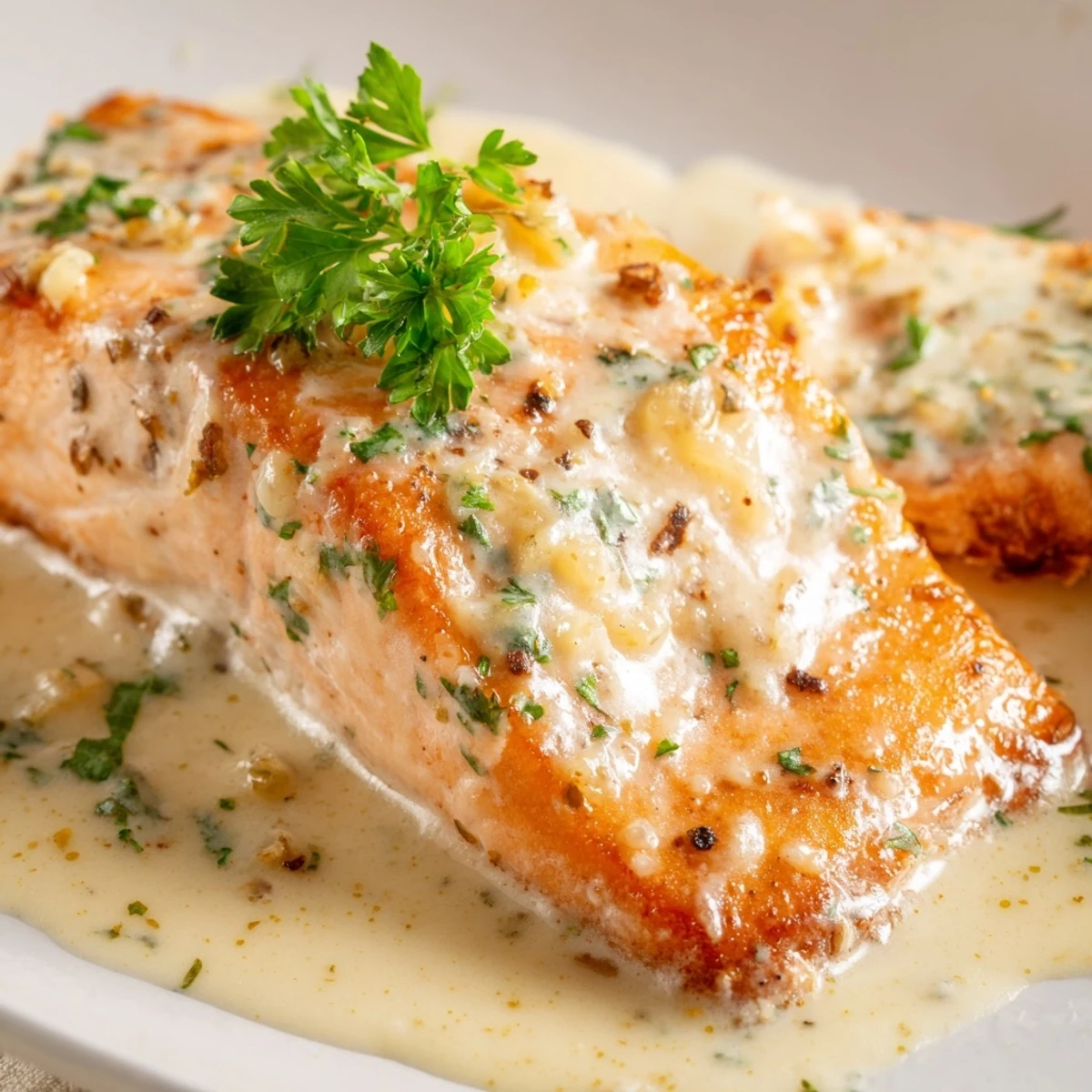
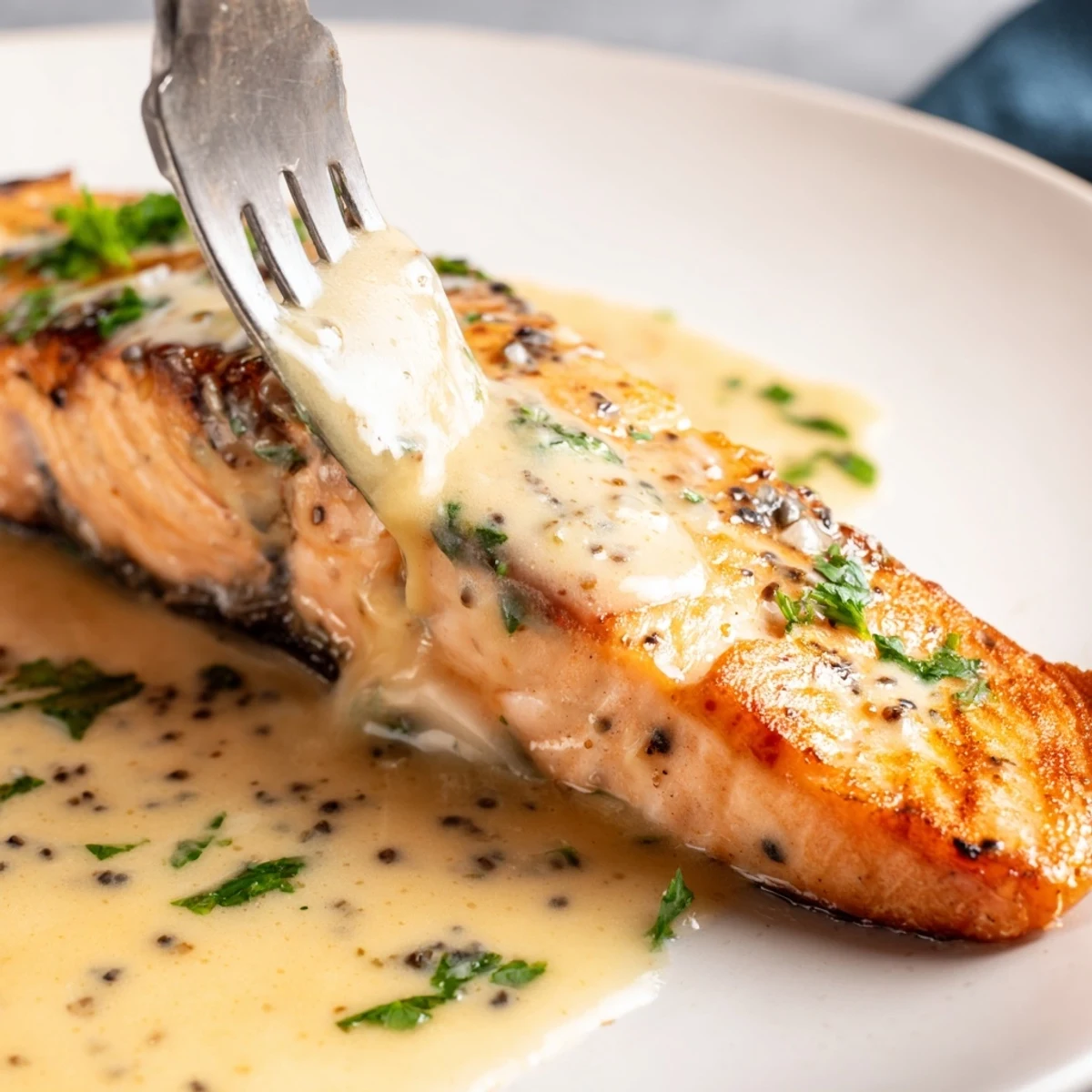
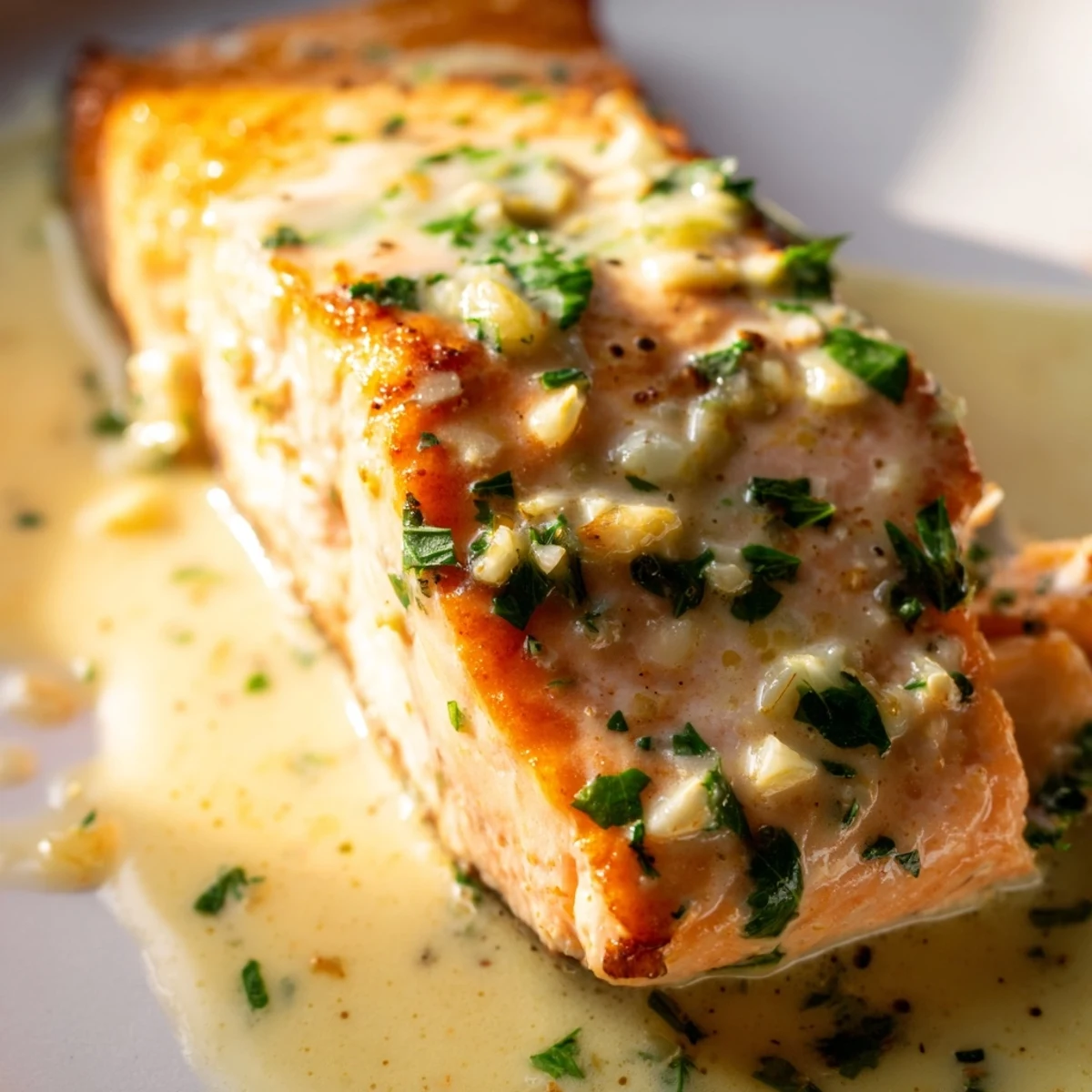
Save This elegant dish features tender, pan-seared salmon fillets with perfectly crispy skin, crowned with a luscious lemon cream sauce. The sauce balances bright lemon juice and zest with savory garlic, Dijon mustard, and fresh parsley, creating a velvety finish that complements the rich fish.
Ready in just 30 minutes with simple ingredients, this European-inspired main works beautifully for both weeknight dinners and special occasions. The versatile sauce pairs equally well with steamed asparagus, roasted potatoes, or rice pilaf.
The hiss of salmon hitting a hot pan is one of those sounds that instantly makes a kitchen feel alive, and on a rainy Tuesday evening with nothing planned, that sound turned a boring night into something worth savoring.
I made this for my neighbor after she helped me jump start my car in a downpour, and we ended up standing in the kitchen eating straight from the skillet because neither of us wanted to wait for plates.
Ingredients
- 4 salmon fillets (about 150 to 180 g each, skinless or skin on): Thick cut fillets sear better and stay juicy inside, so ask your fish counter for the best pieces they have.
- 1 tablespoon olive oil: A neutral oil with a high smoke point keeps the crust clean and golden.
- Salt and freshly ground black pepper: Season generously on both sides because salmon can handle bold seasoning.
- 2 tablespoons unsalted butter: This forms the rich base of the sauce, so use good quality butter if you can.
- 2 garlic cloves, minced: Fresh garlic bloomed in butter creates an aroma that fills the whole house.
- 1 cup heavy cream: The backbone of the sauce, it clings to the fish beautifully and reheats well the next day.
- 1 teaspoon Dijon mustard: A quiet ingredient that adds depth without anyone guessing it is there.
- 1 tablespoon freshly squeezed lemon juice plus more to taste: Fresh lemon is nonnegotiable here because bottled juice tastes flat against the cream.
- 1 teaspoon lemon zest: The zest carries bright floral oils that juice alone cannot provide.
- 2 tablespoons freshly chopped parsley: Stirred in at the end for a hit of green freshness that balances the richness.
Instructions
- Dry and season the fish:
- Pat each salmon fillet thoroughly with paper towels until the surface feels barely damp, then season both sides with salt and pepper while the pan heats up.
- Sear the salmon:
- Heat olive oil in a large skillet over medium high heat until it shimmers, then lay the fillets in gently starting with the side closest to you and cook for 4 to 5 minutes per side until a deep golden crust forms.
- Rest the fillets:
- Transfer the salmon to a plate and tent it loosely with foil so it stays warm while you build the sauce in the same pan.
- Bloom the garlic:
- Reduce the heat to medium, melt the butter in the skillet, and stir the minced garlic for about 30 seconds until your kitchen smells incredible.
- Build the cream base:
- Pour in the heavy cream and whisk in the Dijon mustard, then let it bubble gently for 3 to 4 minutes while stirring often so it does not scorch on the bottom.
- Add the lemon:
- Stir in the lemon juice and zest, season with salt and pepper, and simmer for 2 more minutes until the sauce coats the back of a spoon.
- Finish with parsley:
- Stir in the chopped parsley, taste the sauce, and add another squeeze of lemon or pinch of salt if it needs brightening.
- Bring it all together:
- Return the salmon fillets to the skillet, spoon the sauce over the top, and let everything warm through for 1 to 2 minutes before serving immediately.
 Save
Save That night with my neighbor turned into a weekly dinner tradition, and now whenever I smell garlic blooming in butter I think of that rainy kitchen and how food has a way of turning strangers into friends.
What to Serve Alongside
Steamed asparagus, roasted baby potatoes, or a simple rice pilaf are all wonderful companions because they soak up extra sauce without competing with the fish.
A Lighter Version
Half and half or creme fraiche works beautifully in place of heavy cream if you want something a bit less indulgent, though the sauce will be slightly thinner.
Tools and Pairings
A large skillet with plenty of surface area gives each fillet room to sear properly without steaming.
- A thin flexible spatula makes flipping delicate fish much less stressful.
- A microplane zester pulls the fragrant oils from the lemon peel without any bitter pith.
- A glass of Sauvignon Blanc or Chardonnay alongside turns a simple dinner into an occasion.
 Save
Save This is the kind of recipe that makes you feel like a confident cook, and once you nail the sauce you will want to drizzle it over everything.
Recipe FAQs
- → How do I know when the salmon is cooked through?
-
The salmon is done when it flakes easily with a fork and reaches an internal temperature of 145°F (63°C). The flesh should turn from translucent to opaque throughout. Cook for about 4–5 minutes per side, depending on fillet thickness.
- → Can I make the lemon cream sauce ahead of time?
-
Yes, prepare the sauce up to step 6 and store it in the refrigerator for up to 2 days. Gently reheat over low heat, adding a splash of cream if it has thickened too much. Finish with fresh parsley before serving.
- → What can I substitute for heavy cream?
-
For a lighter version, use half-and-half or crème fraîche instead of heavy cream. The sauce will be slightly less rich but still creamy and flavorful. Coconut cream works for a dairy-free alternative.
- → Should I remove the skin before cooking?
-
Leaving the skin on helps protect the fillet during cooking and creates a crispy, delicious texture. Cook skin-side down first, then flip. If you prefer skinless salmon, the fillets will still be tender and flavorful.
- → What sides pair well with this salmon?
-
Steamed asparagus, roasted potatoes, or rice pilaf complement the creamy sauce beautifully. Sautéed green beans, roasted Brussels sprouts, or a simple arugula salad also work well to balance the richness.
- → Can I use frozen salmon fillets?
-
Yes, thaw frozen salmon in the refrigerator overnight before cooking. Pat the fillets very dry with paper towels to ensure proper searing. Fresh salmon yields the best texture, but thawed frozen works well.