
 Save
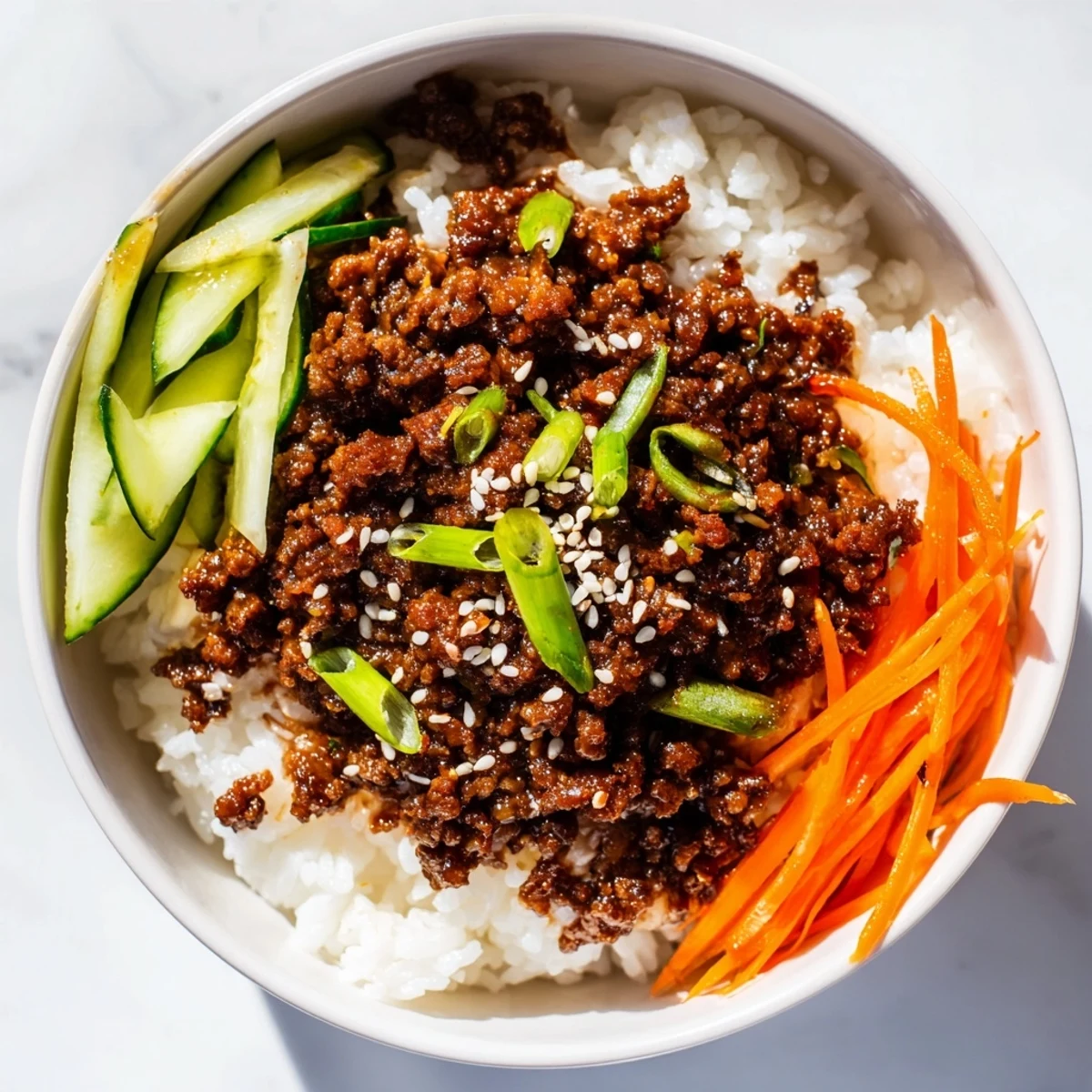
Save These Korean-inspired bowls feature lean ground beef cooked in a bold sauce of soy sauce, sesame oil, garlic, ginger, and gochujang. Served over fluffy jasmine rice with fresh julienned carrots, cucumber, scallions, and toasted sesame seeds, this dish delivers perfect balance of savory, sweet, and spicy flavors. The entire meal comes together in just 25 minutes, making it ideal for busy weeknights when you want something satisfying without hours of prep.
The smell of sesame and garlic hitting hot beef still takes me back to my first tiny apartment kitchen, where I discovered that Korean flavors could transform ordinary ground beef into something extraordinary in under 20 minutes.
I started making these bowls when my work schedule got chaotic and I needed something faster than takeout but more exciting than plain stir-fry.
Ingredients
- 500 g (1 lb) lean ground beef: Ground beef cooks quickly and absorbs the bold Korean sauce beautifully while staying tender and juicy
- 60 ml (1/4 cup) low-sodium soy sauce: Using low-sodium soy sauce lets you control the salt level while still getting that deep umami base
- 2 tbsp light brown sugar: Brown sugar caramelizes slightly in the pan and balances the salty soy sauce with a subtle molasses depth
- 1 tbsp sesame oil: Toasted sesame oil is the secret weapon that makes everything taste distinctly Korean and aromatic
- 4 garlic cloves, minced: Fresh garlic, not powder, creates that punchy backbone that defines Korean cooking
- 1 tbsp freshly grated ginger: Grating your own ginger releases oils and heat that you just cannot get from dried ginger
- 1 tbsp gochujang or red pepper flakes: Gochujang adds authentic Korean complexity with its fermented chili paste flavor but red pepper flakes work in a pinch
- 2 tsp rice vinegar: A splash of vinegar cuts through the richness and brightens the entire sauce
- 300 g (1 1/2 cups) jasmine rice: Jasmine rice has a natural floral sweetness that pairs perfectly with bold Korean flavors
- 2 medium carrots and 1 small cucumber: Fresh, crisp vegetables create texture contrast against the warm, seasoned beef
- 4 scallions and 2 tbsp toasted sesame seeds: These finishing touches add pops of color and that final layer of nutty flavor
Instructions
- Get the rice going first:
- Rinse the jasmine rice under cold water until it runs clear, then combine it with 480 ml water in a saucepan. Bring it to a boil, reduce to a simmer, cover, and let it cook for 12 to 15 minutes until tender. Fluff gently with a fork and keep it covered until you are ready to serve.
- Whisk together the sauce:
- In a small bowl, combine the soy sauce, brown sugar, sesame oil, minced garlic, grated ginger, gochujang or red pepper flakes, and rice vinegar. Whisk until the sugar dissolves completely and everything is well blended.
- Brown the beef:
- Heat a large skillet over medium-high heat and add the ground beef. Cook it for about 5 minutes, breaking it up constantly with a spatula until it is fully browned and crumbled. Drain any excess fat if there seems to be too much.
- Coat the beef in sauce:
- Pour the sauce over the browned beef and stir everything together. Let it cook for another 2 to 3 minutes, stirring constantly, until the sauce thickens slightly and coats every piece of beef beautifully.
- Assemble your bowls:
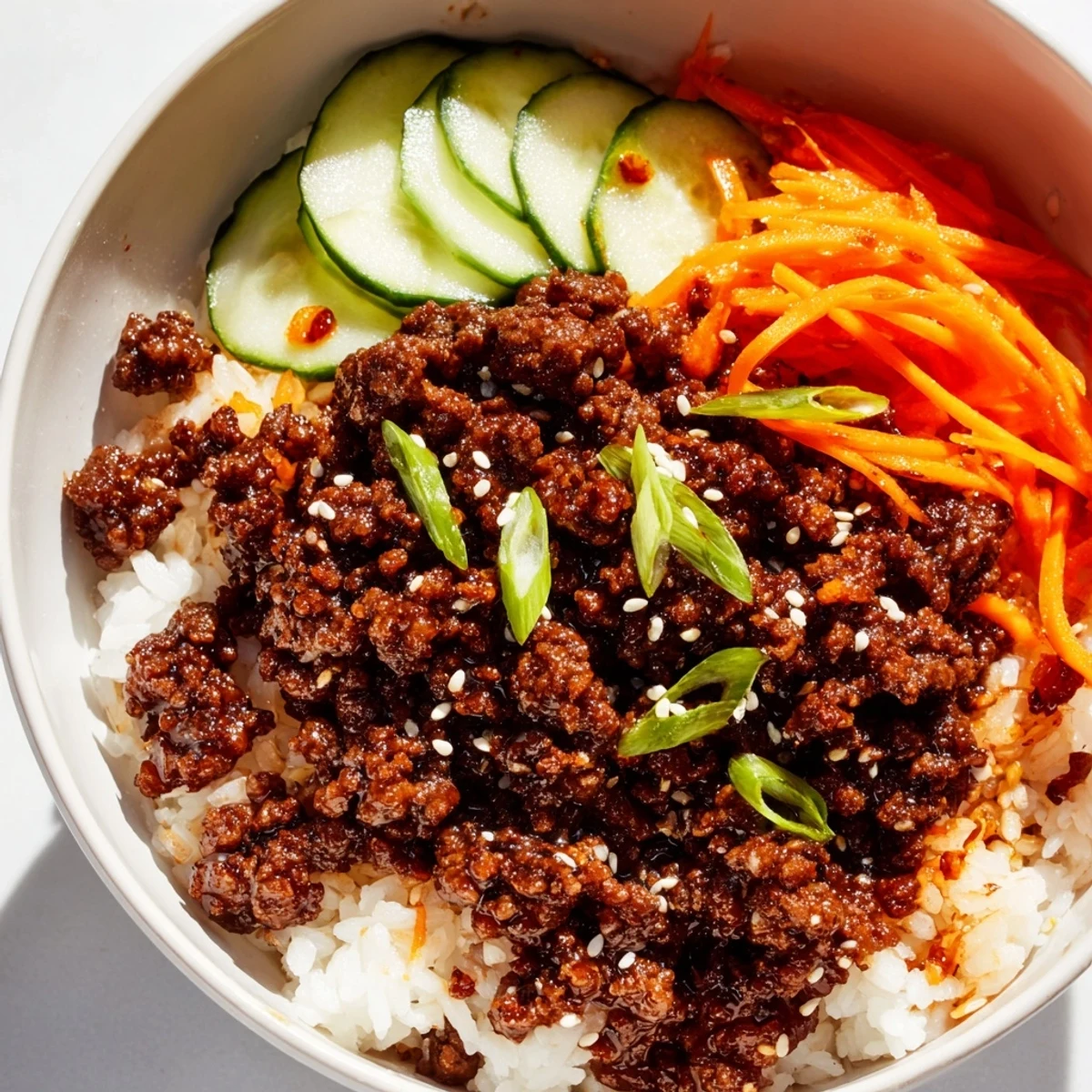
- Divide the steamed rice among four bowls. Top each bowl with the saucy beef, then arrange the julienned carrots, sliced cucumber, scallions, and toasted sesame seeds on top. Add kimchi or fresh cilantro if you want to.
 Save
Save My friend Sarah stayed over during a particularly stressful week and took one bite before demanding the recipe, declaring it better than our usual takeout spot.
Making It Your Own
Ground turkey or chicken work beautifully if you want something lighter, and crumbled tofu becomes surprisingly satisfying when it absorbs that same bold sauce mixture.
Perfecting The Rice
Rinsing the rice until the water runs clear removes excess starch and prevents gummy, clumpy rice, while letting it rest covered for five minutes after cooking makes it fluffier.
Building The Ultimate Bowl
Arranging the toppings in sections rather than mixing everything together creates that photogenic bowl look and lets you customize each bite. Cold vegetables provide textural contrast, and toasting your own sesame seeds in a dry pan for two minutes makes a huge difference in flavor intensity.
- Make extra sauce and store it in the refrigerator for quick weeknight meals
- Prep all your vegetables while the rice cooks to save time
- Warm your bowls before serving to keep everything hot longer
 Save
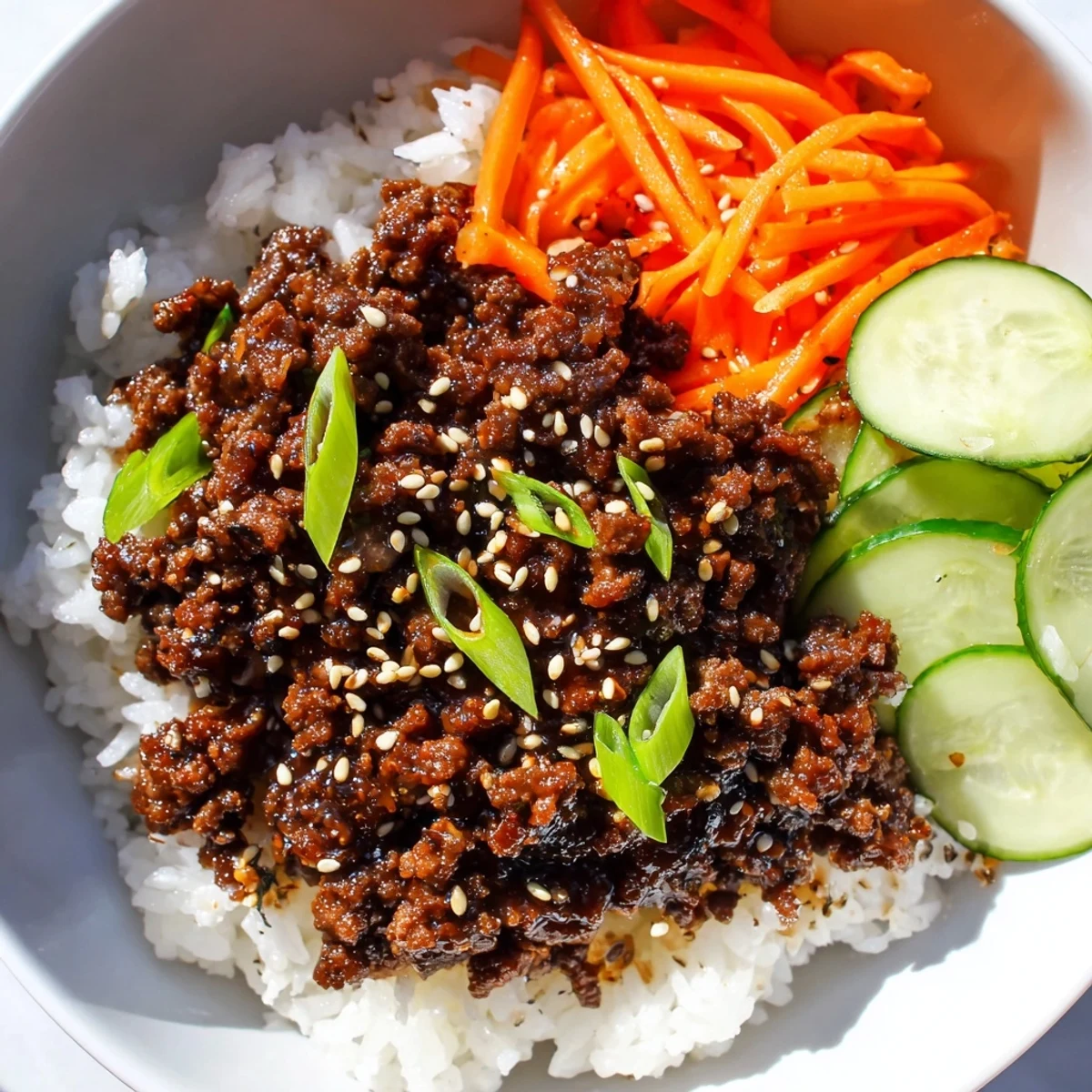
Save These Korean beef bowls have become my go-to when I want something that feels special but comes together faster than delivery.
Recipe FAQs
- → What makes the sauce authentic?
-
The combination of gochujang (Korean chili paste), sesame oil, grated ginger, and rice vinegar creates the distinctive Korean flavor profile. Gochujang adds a fermented depth and mild heat that's essential to the cuisine.
- → Can I make this gluten-free?
-
Yes, simply substitute the soy sauce with tamari. Be sure to check your gochujang label, as some brands contain gluten. Many Asian markets now offer gluten-free versions.
- → What protein alternatives work well?
-
Ground turkey or chicken both work beautifully for a lighter version. For a vegetarian option, use crumbled firm tofu or plant-based ground meat alternative—the sauce coats everything equally well.
- → How do I control the spice level?
-
Start with 1 teaspoon of gochujang and taste before adding more. If you prefer no heat, omit the gochujang and red pepper flakes entirely—the dish still delivers great flavor from the garlic, ginger, and sesame.
- → Can I prepare this ahead?
-
The beef mixture reheats beautifully and actually tastes better the next day as flavors meld. Store the beef and rice separately in airtight containers for up to 3 days. Fresh vegetables are best added just before serving.
- → What other toppings work?
-
Fried eggs, quick-picked vegetables, sliced avocado, edamame, or shredded lettuce all complement the flavors. A drizzle of extra sriracha or sesame oil at the end adds a nice finishing touch.