
 Save
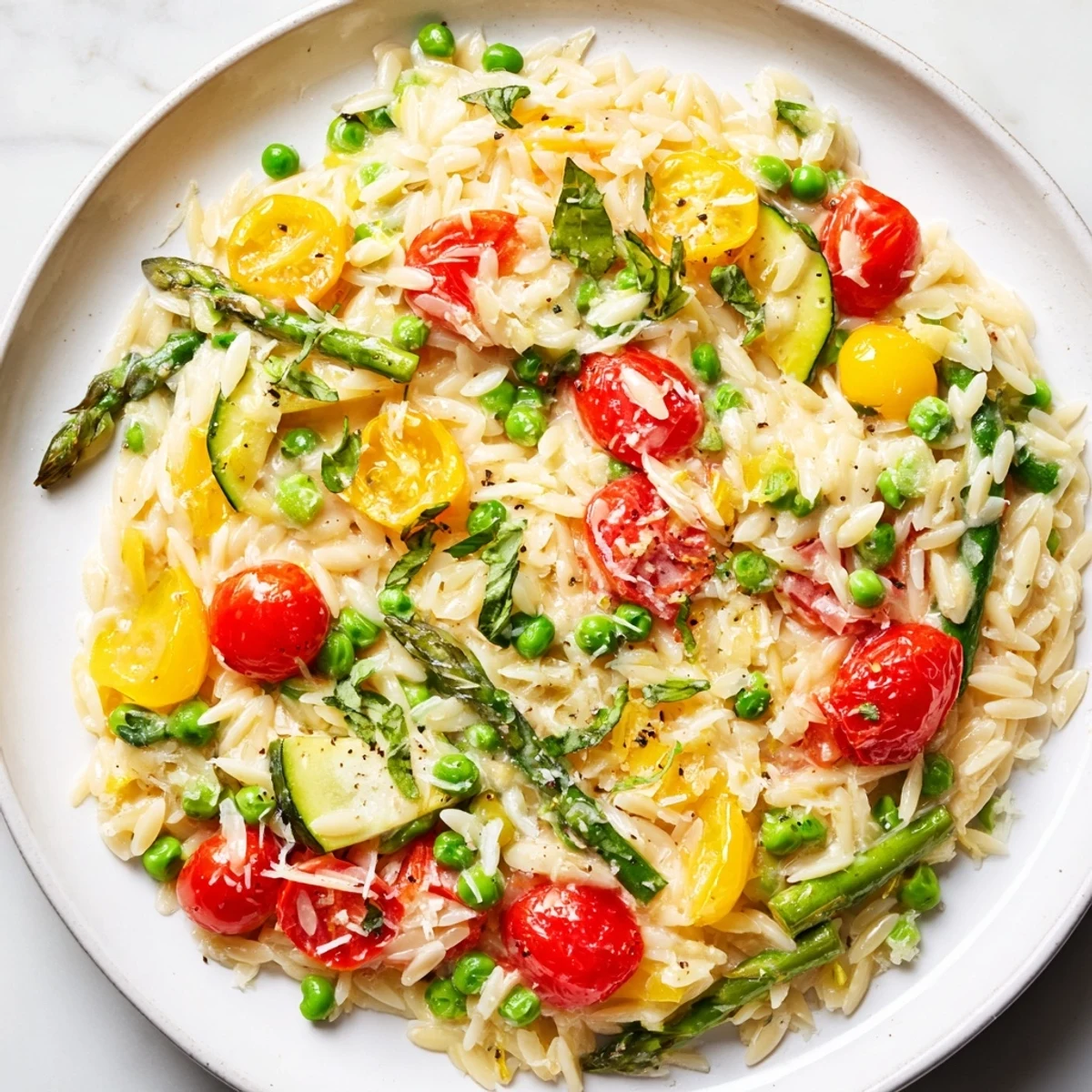
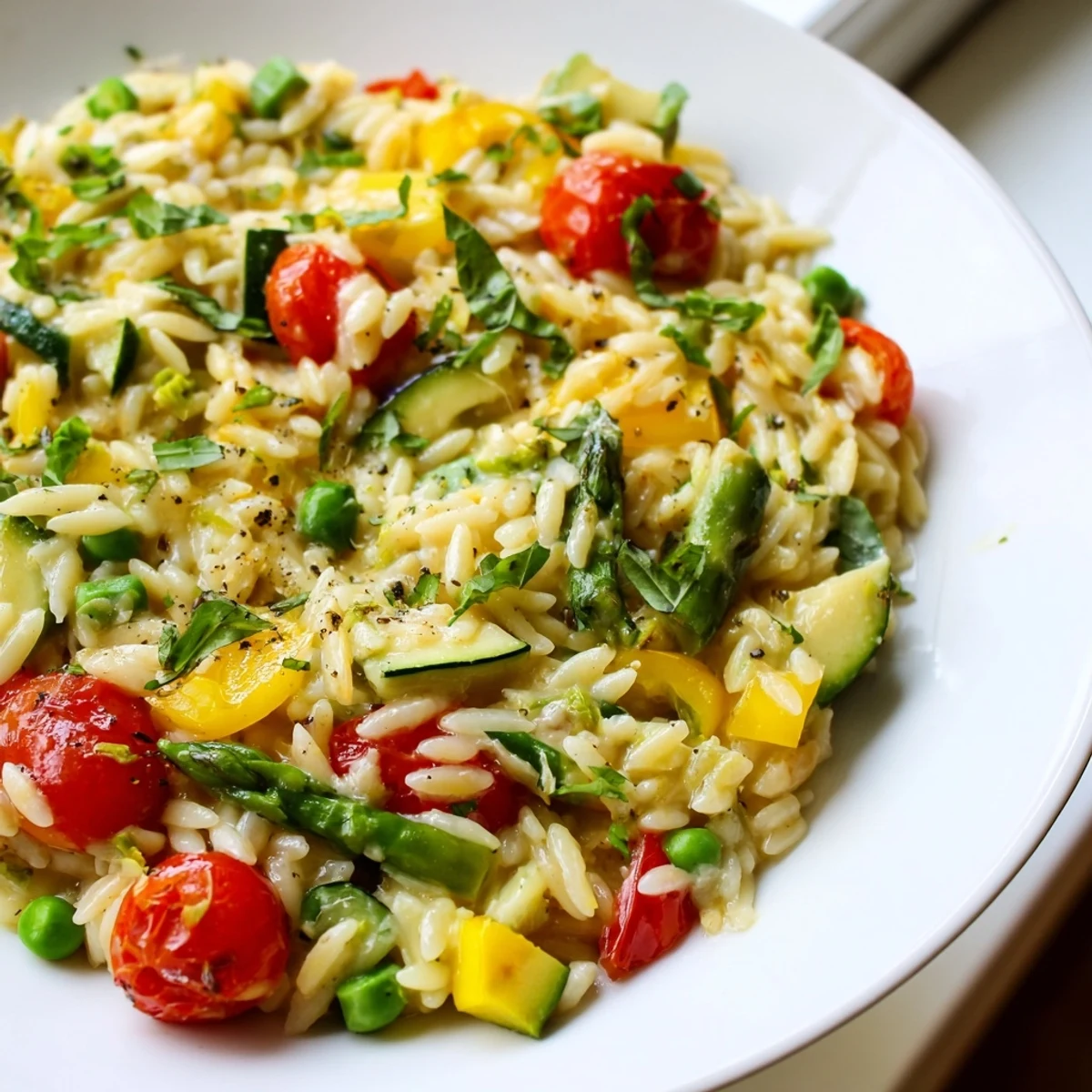
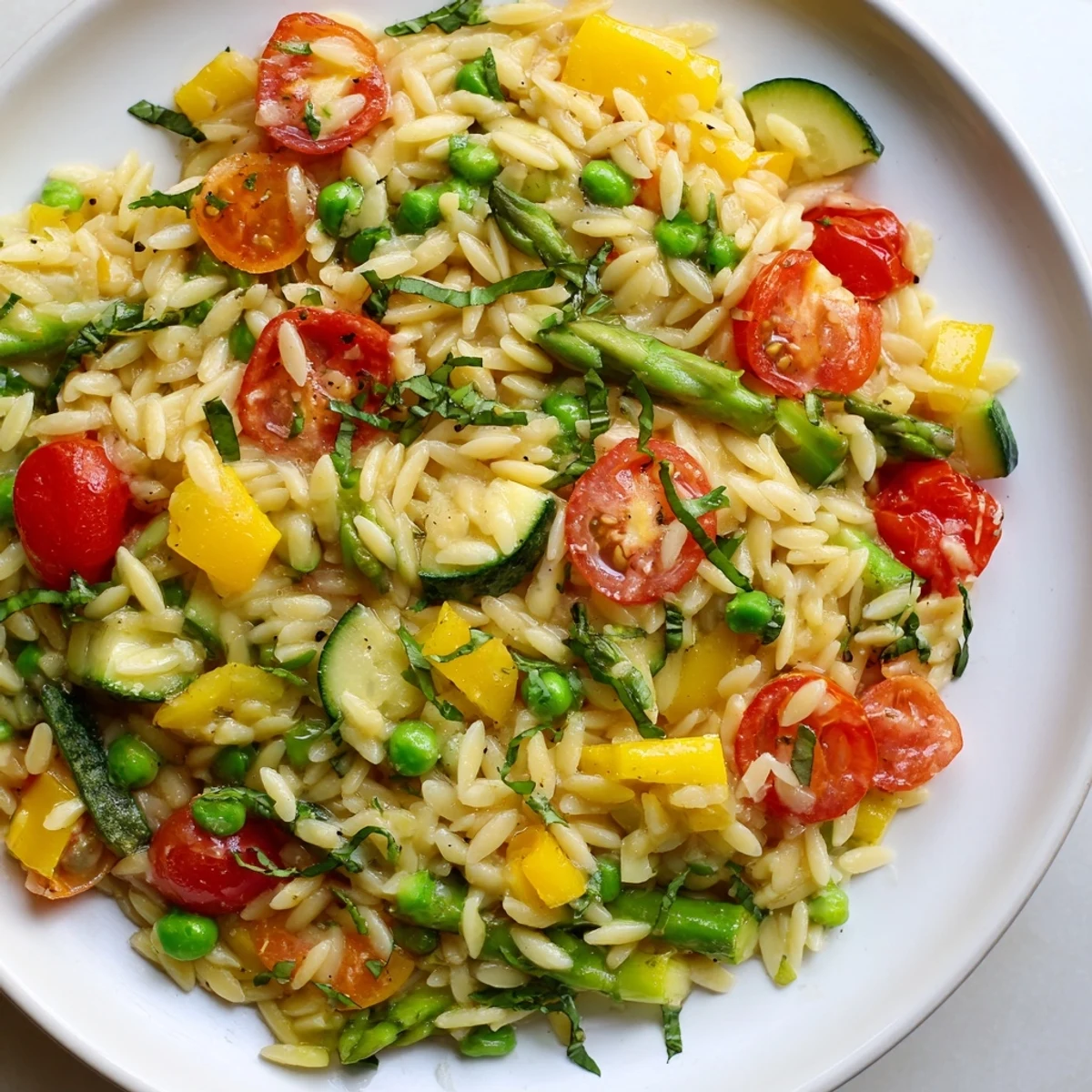
Save This vibrant Italian-inspired dish combines tender orzo pasta with a colorful medley of spring vegetables including zucchini, cherry tomatoes, bell pepper, asparagus, and sweet peas. The vegetables are lightly sautéed with garlic until crisp-tender, then tossed with al dente orzo in a bright lemon-Parmesan sauce. Fresh basil and parsley add aromatic depth, while reserved pasta water creates a silky coating that clings to every bite. Perfect for weeknight dinners or light spring entertaining.
The first time I made orzo primavera, I was rushing to get dinner on the table before friends arrived. I chopped vegetables while the pasta water boiled, multitasking in a way that felt chaotic but somehow worked. When everyone sat down and took that first bite, the conversation stopped mid sentence. That's when I knew this simple pasta had something special.
Last spring, my neighbor brought over a basket of vegetables from her garden. There were tiny tomatoes, tender asparagus shoots, and fresh peas still in their pods. I threw them all into this orzo dish, and we ate it on the back porch while the sun went down. The vegetables were so sweet and fresh that they barely needed any seasoning.
Ingredients
- 250 g orzo pasta: This rice shaped pasta has a wonderful texture that catches bits of vegetables and sauce in every spoonful
- 1.5 L water plus 1 tsp salt: Salting the pasta water is essential for flavoring the orzo from the inside out
- 1 small zucchini, diced: Adds a mild sweetness and holds its shape beautifully when sautéed
- 1 cup cherry tomatoes, halved: They burst slightly in the pan creating their own little sauce pockets
- 1 yellow bell pepper, diced: Brings a bright pop of color and subtle sweetness to the mix
- 1 cup asparagus, cut into 2 cm pieces: Look for thin stalks that cook quickly and stay tender crisp
- 1 cup fresh or frozen peas: Even frozen peas work wonderfully here, adding bursts of sweetness
- 2 tbsp olive oil: Forms the base of the sauce and helps carry the garlic flavor through the dish
- 3 cloves garlic, minced: Fresh garlic makes all the difference here, so avoid the jarred stuff
- 1/2 cup grated Parmesan cheese: Creates a creamy coating without any heavy cream
- Zest of 1 lemon plus 2 tbsp juice: The zest brings fragrant lemon oils while the juice adds bright acidity
- Salt and black pepper: Season gradually and taste as you go since the Parmesan adds saltiness
- 2 tbsp each fresh basil and parsley: Add these at the very end to preserve their bright fresh flavor
Instructions
- Cook the orzo:
- Bring the water and 1 tsp salt to a boil in a large pot. Add the orzo and cook according to package directions until al dente. Drain the pasta, but remember to reserve 1/2 cup of the cooking water before you pour it out. That starchy liquid is pure gold for bringing everything together later.
- Start the aromatics:
- Heat the olive oil in a large skillet over medium heat. Add the minced garlic and let it sizzle for about 1 minute until fragrant. Watch carefully so it does not brown or turn bitter, which would ruin the fresh bright taste we are after.
- Sauté the vegetables:
- Add the zucchini, cherry tomatoes, bell pepper, asparagus, and peas to the skillet. Cook for 4 to 5 minutes, stirring occasionally. You want the vegetables tender but still with a slight crunch. The tomatoes should start to blister and release some of their juices.
- Combine everything:
- Add the drained orzo to the skillet with the vegetables. Pour in the reserved pasta water and add the Parmesan, lemon zest, and lemon juice. Toss everything together for about 1 minute. The pasta water and Parmesan will create a light creamy sauce that clings to each piece of orzo.
- Finish with fresh herbs:
- Season with salt and pepper to taste, then remove the skillet from the heat. Stir in the chopped basil and parsley until evenly distributed. The residual heat will gently wilt the herbs without cooking away their flavor. Serve immediately while the orzo is still hot and creamy.
 Save
Save My daughter used to pick out all the vegetables when she was younger, but now this is one of her most requested dinners. Watching her learn to love asparagus and bell peppers through this dish has been surprisingly rewarding. Food has a way of changing our minds slowly, one bite at a time.
Making It Your Own
I have discovered that this recipe adapts beautifully to whatever vegetables are in season or on sale. In summer I add corn and fresh green beans, while winter versions work well with roasted butternut squash and kale. The key is cutting everything into similar sized pieces so they cook evenly.
Timing Is Everything
The biggest mistake I made when learning this recipe was overcooking the vegetables into mush. Now I prep all the vegetables before starting the pasta, so I can add them to the skillet immediately after draining the orzo. Everything stays crisp and bright instead of becoming a sad, soggy mess.
Serving Suggestions
This dish makes a lovely light main course, but it also shines as a side alongside grilled fish or chicken. I like to serve it with extra Parmesan at the table so everyone can add more to their liking. A simple green salad with a vinaigrette cuts through the richness perfectly.
- Let the orzo rest for 5 minutes before serving to allow the sauce to thicken slightly
- If the dish seems dry, add another splash of pasta water before serving
- Leftovers reheat beautifully with a tiny drizzle of olive oil and a splash of water
 Save
Save This recipe reminds me that the best meals are often the simplest ones, letting fresh ingredients speak for themselves. I hope it becomes a staple in your kitchen too, perfect for those nights when you want something beautiful on the table without spending hours over the stove.
Recipe FAQs
- → What vegetables work best in orzo primavera?
-
Spring vegetables shine in this dish—zucchini, cherry tomatoes, bell peppers, asparagus, and peas provide sweet flavor and tender-crisp texture. Swap in seasonal favorites like snap peas, artichokes, or green beans as desired.
- → How do I prevent orzo from becoming mushy?
-
Cook orzo until al dente according to package directions, usually 8-10 minutes. Reserve some pasta water before draining—it helps create the creamy sauce. Avoid overcooking since small pasta shapes continue softening in the skillet.
- → Can I make this dish ahead?
-
Best served immediately while vegetables retain their bright crunch. However, you can prep vegetables and grate Parmesan up to a day in advance. If reheating leftovers, add a splash of water or olive oil to refresh the sauce.
- → What protein additions work well?
-
Grilled chicken, sautéed shrimp, or white beans complement the light flavors. Browned Italian sausage or pancetta adds savory depth. Add protein during the final minutes of cooking so it stays tender.
- → How do I make this vegan?
-
Omit Parmesan and use nutritional yeast for cheesy flavor. Drizzle with extra olive oil or add a splash of pasta water to achieve the same silky consistency. The lemon and fresh herbs provide plenty of brightness.
- → What wine pairs with orzo primavera?
-
A crisp Pinot Grigio, Sauvignon Blanc, or dry Italian white like Vermentino complements the citrus and fresh vegetables. For red wine lovers, a light Pinot Noir works without overpowering the delicate flavors.