
 Save
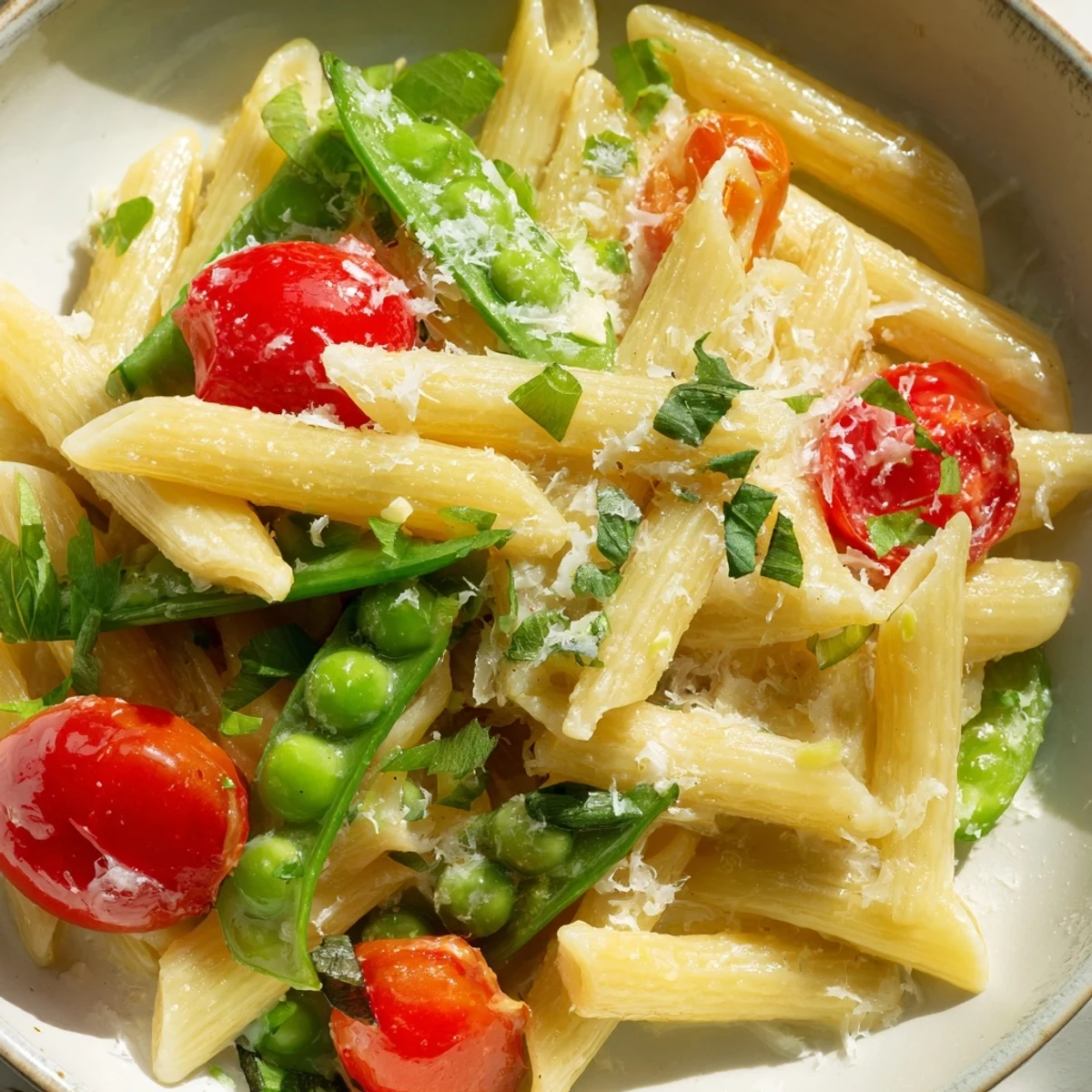
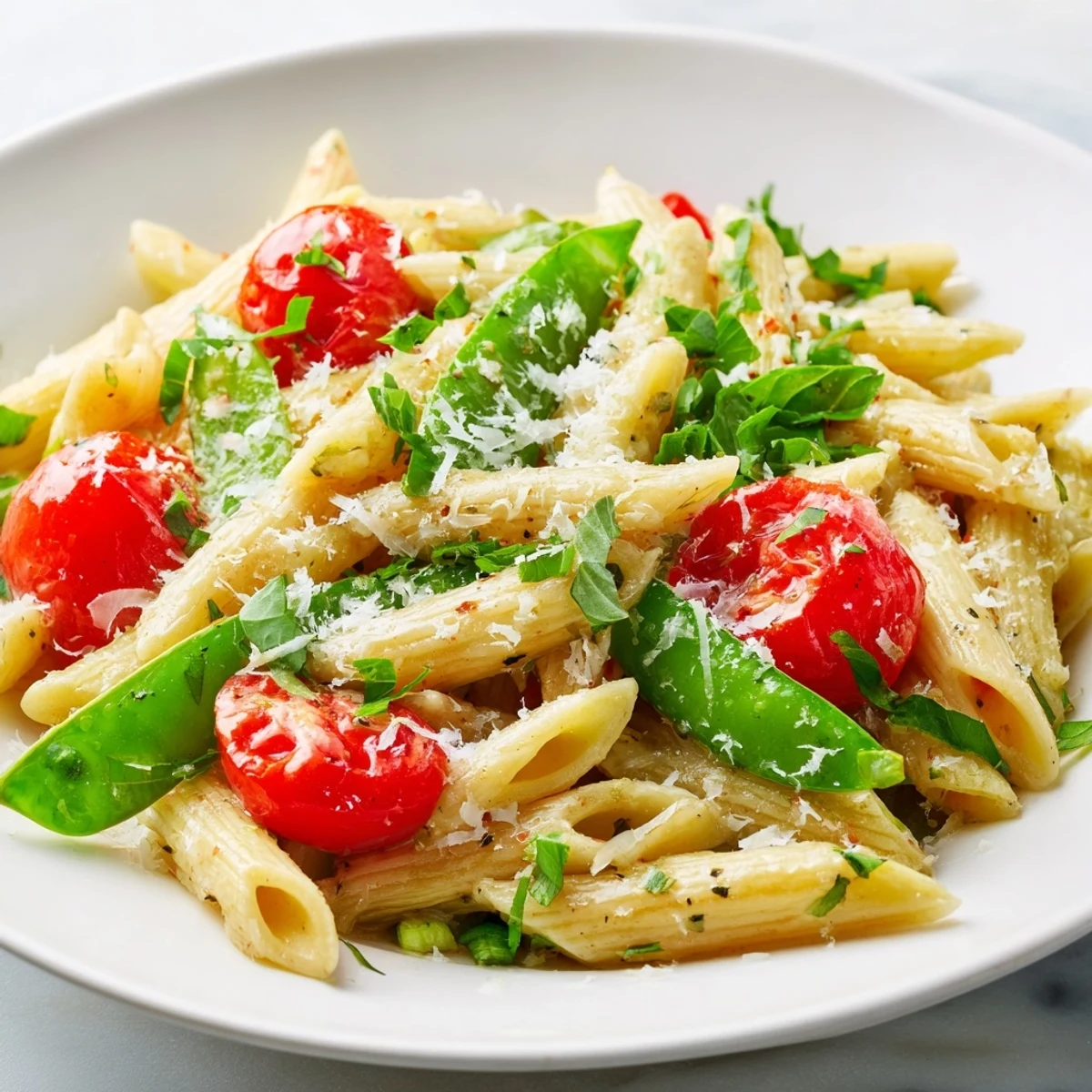
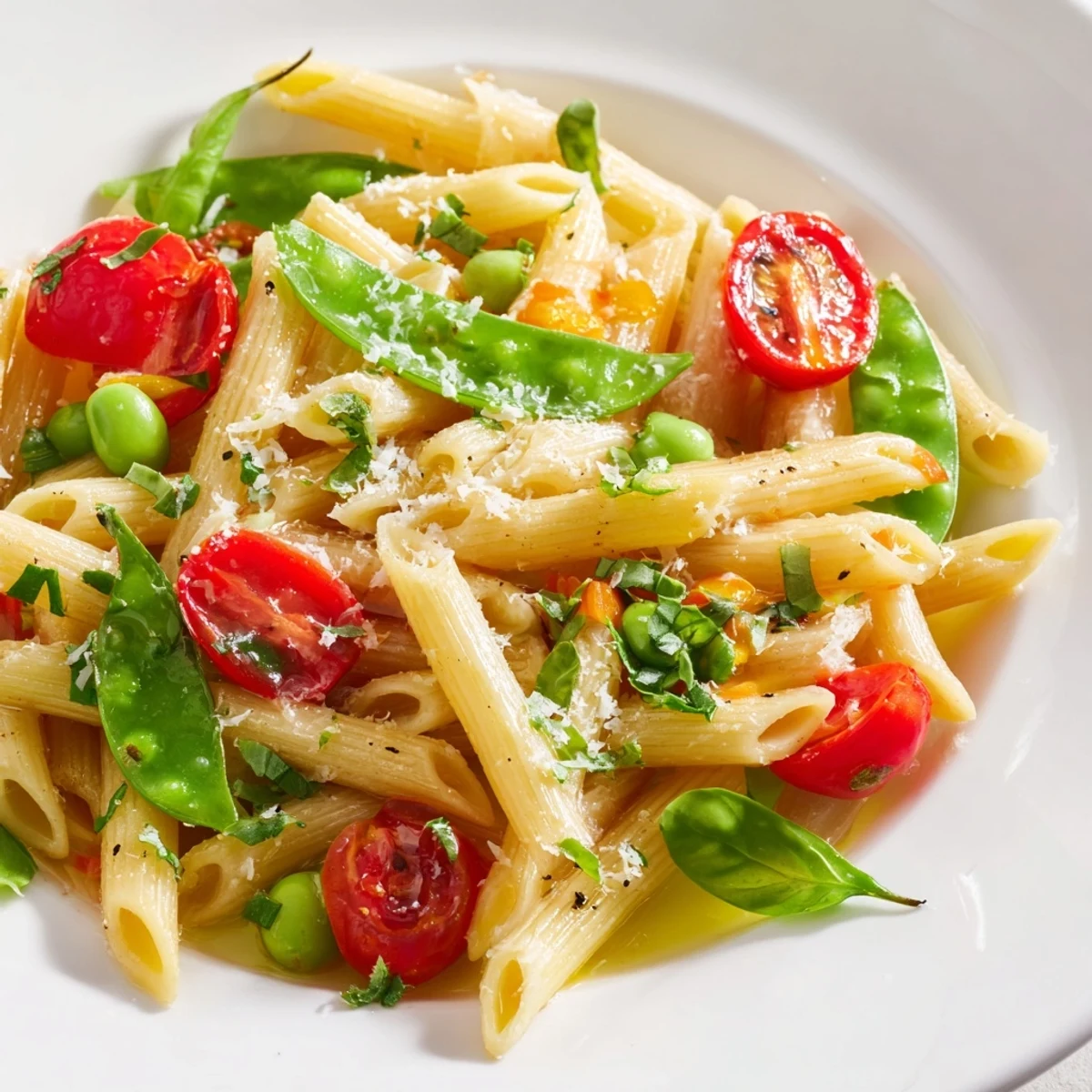
Save This Italian classic brings together perfectly cooked pasta with an array of fresh spring vegetables. The dish features tender zucchini, yellow squash, colorful bell peppers, sweet cherry tomatoes, crisp sugar snap peas, and nutritious broccoli florets, all lightly sautéed in aromatic olive oil and garlic.
The sauce comes together with vegetable broth, fresh lemon juice, and a sprinkle of Parmesan cheese, creating a bright and balanced coating for every strand. Finished with chopped basil and parsley, this pasta dish delivers vibrant colors and fresh flavors in just 40 minutes.
Perfect for weeknight dinners or casual entertaining, this versatile main can be customized with your favorite seasonal vegetables or protein additions. The result is a wholesome, satisfying meal that celebrates the best of garden-fresh produce.
The first time I made pasta primavera, I dumped every vegetable I could find into the pan and ended up with something closer to a vegetable stew than pasta. The colors were beautiful, but the dish was heavy and overwhelmed the noodles. After years of tinkering, I learned that the secret is restraint: each vegetable should sing its own note, not disappear into a chaotic chorus.
Last spring my neighbor dropped off a basket of vegetables from her garden and I ended up making this three times in one week. My teenage son, who usually regards zucchini with deep suspicion, actually went back for seconds. Now it is our go to when we want something that feels fancy but requires almost zero effort.
Ingredients
- 400 g penne or spaghetti: Penne catches the vegetables in its tubes, but spaghetti works beautifully too
- 1 small zucchini, sliced: Do not peel it: the skin gives color and holds everything together
- 1 small yellow squash, sliced: The sweetness balances the sharper vegetables
- 1 red bell pepper, julienned: Thin strips cook quickly and add gorgeous color
- 1 cup cherry tomatoes, halved: They burst in the pan and create little pockets of sauce
- 1 cup sugar snap peas, trimmed: These stay crunchy and add fresh sweetness
- 1 cup broccoli florets: Cut them small so they cook through before the other vegetables get mushy
- 3 tablespoons extra virgin olive oil: This carries all the flavors, so use the good stuff
- 3 cloves garlic, minced: Do not let it brown or it will turn bitter
- 1/2 teaspoon crushed red pepper flakes: Optional, but a whisper of heat wakes everything up
- 1/2 cup vegetable broth: Deglazes the pan and creates a silky base
- Juice of 1 lemon: Brightens all the flavors and cuts through the olive oil
- 1/4 cup grated Parmesan cheese: Save some extra for serving because everyone will want more
- Salt and freshly ground black pepper: Season in layers, not just at the end
- 2 tablespoons fresh basil: Tear it by hand for the best fragrance
- 2 tablespoons fresh parsley: Adds freshness and color without overpowering
Instructions
- Get your pasta water going:
- Bring a large pot of salted water to a boil and cook the pasta until al dente, then drain but reserve 1/2 cup of that starchy pasta water
- Warm the olive oil:
- Heat olive oil in a large skillet over medium heat, add the garlic and red pepper flakes if you are using them, and let them sizzle for about 1 minute until the kitchen smells incredible
- Start the harder vegetables:
- Add the zucchini, squash, bell pepper, and broccoli to the skillet and sauté for 4 to 5 minutes, stirring occasionally, until they are just beginning to soften
- Add the quick cooking vegetables:
- Toss in the cherry tomatoes and sugar snap peas and cook for another 2 to 3 minutes until the tomatoes start to burst
- Build the sauce:
- Pour in the vegetable broth and lemon juice and let everything simmer for 2 minutes while you season with salt and pepper
- Bring it together:
- Add the cooked pasta to the skillet along with the Parmesan and a splash of that reserved pasta water, tossing everything together until the sauce coats each piece
- Finish with herbs:
- Stir in the fresh basil and parsley, taste and adjust the seasoning, and serve immediately with extra Parmesan on the table
 Save
Save My mother in law, who is from Rome, told me that authentic primavera is about using whatever is fresh and local, not following a strict list of vegetables. That conversation freed me up to experiment, and now I make this year round, swapping in whatever looks best at the market. It has become the dish I make when I want to remember that cooking does not have to be complicated to be extraordinary.
Getting The Vegetable Timing Right
The biggest mistake I see is people treating all vegetables the same, which is why you end up with mushy broccoli and raw peppers. I start the hardest vegetables first: things like carrots, broccoli, and cauliflower need those extra minutes. Then I add medium vegetables like zucchini and peppers, and save the delicate ones like tomatoes and peas for the last two minutes. This staggered approach sounds fussy, but it is actually just cooking each vegetable for exactly as long as it needs.
Choosing Your Pasta Shape
I used to think pasta shape did not matter, but it actually changes the whole experience. Short pasta with tubes or ridges, like penne or rigatoni, catches the vegetables and little pockets of sauce inside each piece. Long pasta like spaghetti or fettuccine creates those gorgeous tangles where vegetables get nestled throughout. Both are wonderful, so choose based on mood: short pasta feels more rustic and hearty, while long pasta feels lighter and more elegant.
Making It Your Own
Once you understand the basic technique, this recipe becomes a template rather than a rulebook. In spring I use asparagus and peas, summer brings corn and cherry tomatoes, fall calls for butternut squash and kale, and winter works beautifully with Brussels sprouts and lemons. The formula never changes: olive oil, garlic, vegetables, pasta, and a splash of something acidic at the end. That flexibility is why this recipe has stayed in my weekly rotation for over a decade.
- Add a handful of baby spinach at the end for extra nutrition
- Stir in a tablespoon of butter with the Parmesan for a richer sauce
- Toast some pine nuts or walnuts to sprinkle on top for crunch
 Save
Save There is something deeply satisfying about a dish that celebrates vegetables without making them feel like an obligation. This pasta reminds me that simple ingredients, treated with respect and attention, can become something greater than the sum of their parts.
Recipe FAQs
- → What vegetables work best in pasta primavera?
-
Spring vegetables like zucchini, yellow squash, bell peppers, cherry tomatoes, sugar snap peas, and broccoli work beautifully. Feel free to substitute based on seasonality and personal preference with asparagus, peas, or fresh green beans.
- → How do I keep vegetables crisp-tender?
-
Sauté vegetables in batches according to cooking time. Start with harder vegetables like broccoli and bell peppers, then add quicker-cooking ones like cherry tomatoes and snap peas. Cook until just tender to maintain texture and color.
- → Can I make pasta primavera gluten-free?
-
Absolutely. Substitute regular pasta with your favorite gluten-free pasta variety. Cook according to package directions and adjust the sauce consistency as needed with reserved pasta water.
- → How can I add more protein to this dish?
-
Add cooked chicken breast, grilled shrimp, or chickpeas for a protein boost. Crumbled sausage or pancetta also work well. Consider stirring in white beans or diced tofu for vegetarian protein options.
- → Can pasta primavera be made ahead?
-
While best served fresh, you can prepare vegetables and sauce components ahead. Store cooked pasta and vegetables separately, then reheat gently with a splash of pasta water or broth before serving with fresh herbs.
- → What wine pairs well with pasta primavera?
-
A crisp Pinot Grigio or Sauvignon Blanc complements the fresh vegetables and light sauce beautifully. For red wine lovers, a light Pinot Noir or Chianti works well without overpowering the delicate flavors.