
 Save
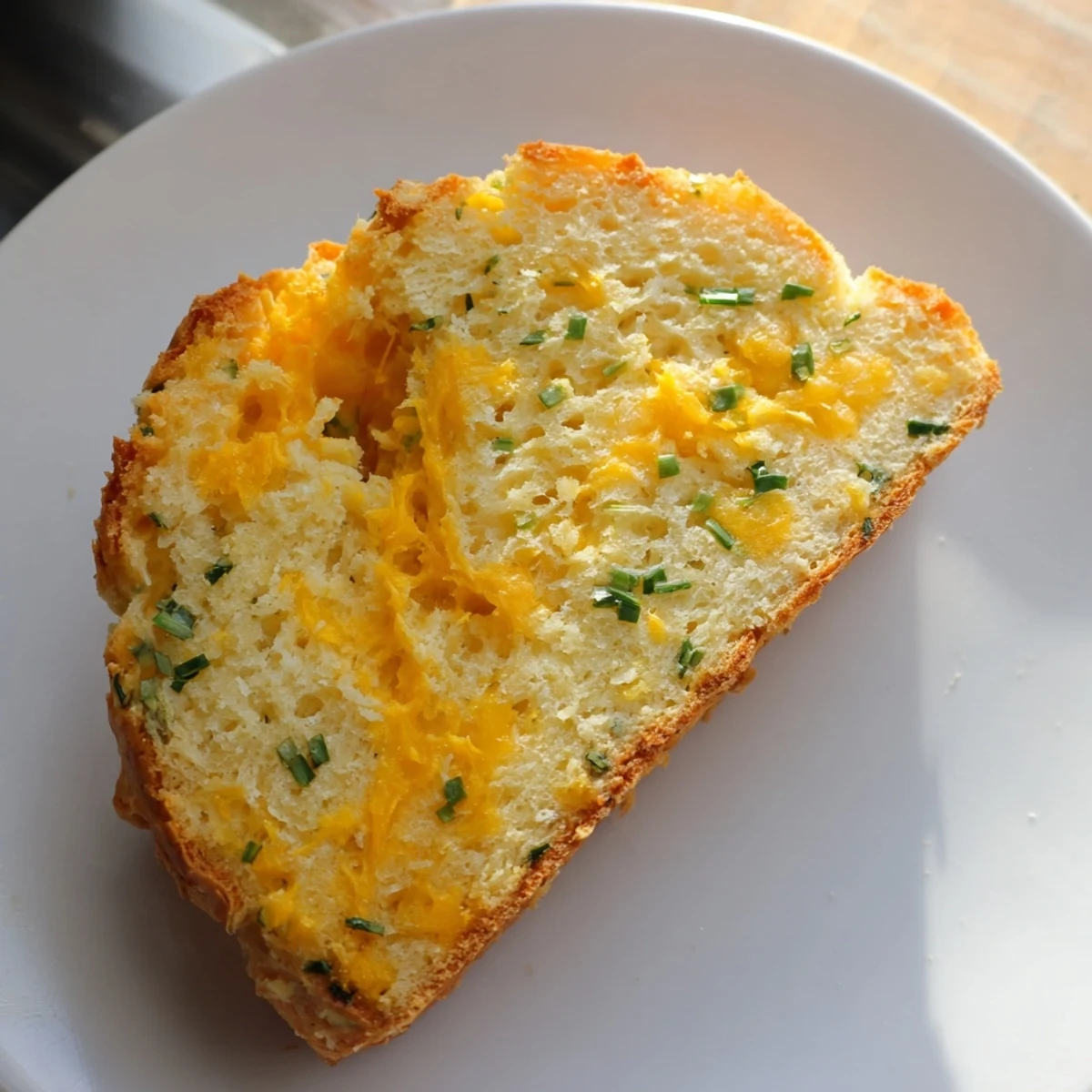
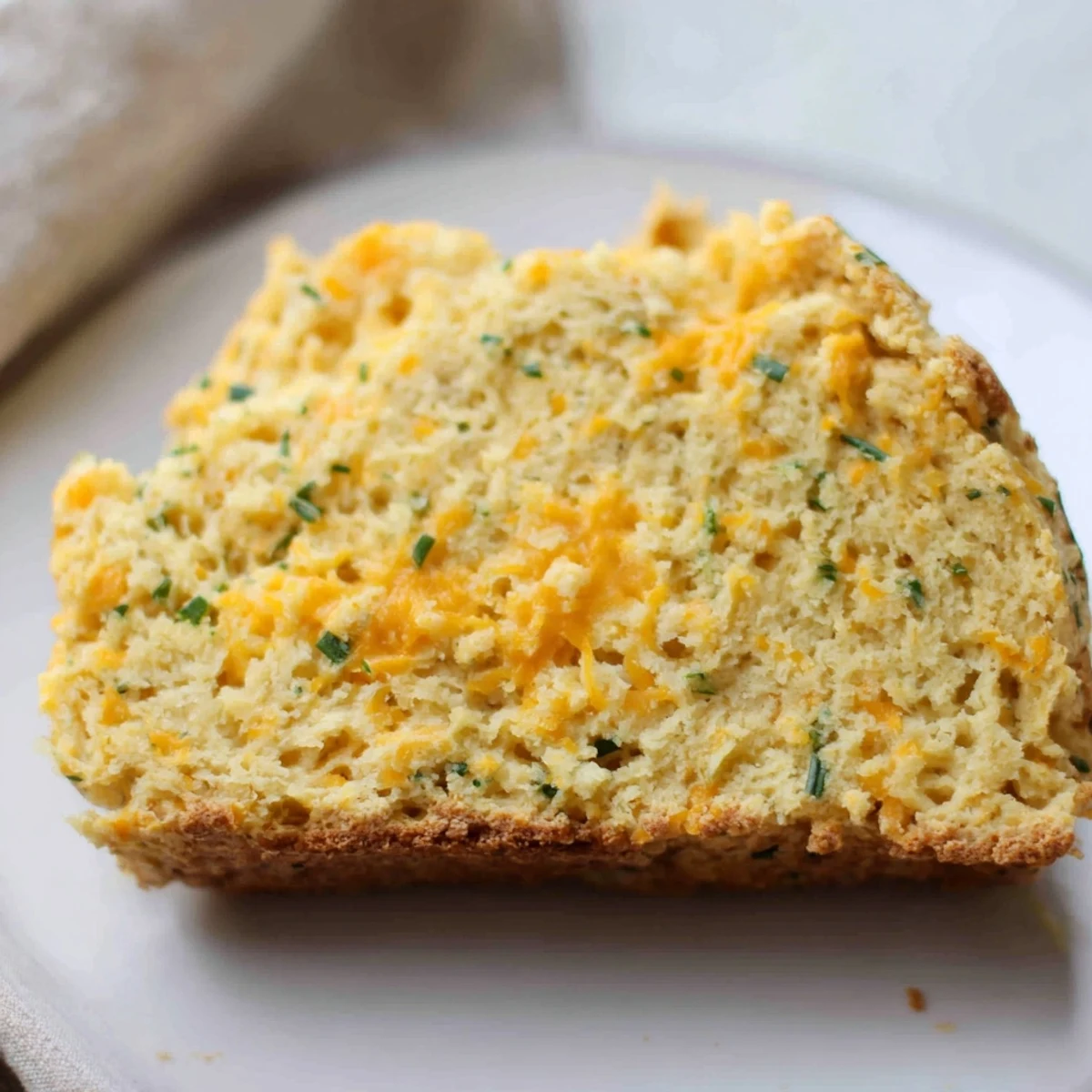
Save This Irish soda loaf combines sharp cheddar cheese with fresh chives to create a savory, flavorful bread. The batter comes together quickly using buttermilk and basic dry ingredients, forming a tender crumb with a golden, cheesy crust. Baking at 400°F ensures a crisp exterior and a hollow sound when done. Ideal warm with butter or alongside comforting soups and stews, this loaf is simple, rustic, and packed with rich, cheesy notes.
The first time I made cheddar soda bread, my kitchen smelled like the inside of my favorite Irish pub on a rainy afternoon. I had just come home from a weekend trip to Dublin, missing those warm, buttery slices that appeared alongside every bowl of seafood chowder. This recipe became my attempt to recreate that comfort, and honestly, my version has become even better than what I remember. The sharp cheddar melts into little pockets throughout, and fresh chives add this mild onion bite that keeps you coming back for slice after slice.
Last winter, my neighbor Sarah texted me at 7 PM asking if I had anything to contribute to her impromptu soup night. I threw this together while wearing my pajamas, and showed up with a still warm loaf wrapped in a tea towel. Everyone ignored the actual soup and demolished the bread, standing around the kitchen island breaking off pieces by hand. Now Sarah requests it every time she makes vegetable barley soup, and I have learned to double the recipe because one loaf mysteriously vanishes before dessert.
Ingredients
- 3 1/2 cups all-purpose flour: Bread flour works too, but the crumb becomes slightly chewier, while whole wheat needs extra buttermilk to prevent dryness
- 1 tsp baking soda: Fresh soda is crucial here because expired baking soda leads to dense, flat loaves that never quite rise properly
- 1 tsp fine sea salt: Kosher salt works in a pinch but use slightly less since the crystals are larger and less dense by volume
- 1/2 tsp freshly ground black pepper: White pepper disappears into the dough if you want the heat without visible specks
- 1 1/2 cups sharp cheddar cheese, coarsely grated: Block cheese you grate yourself melts better than pre-shredded, which has anti-caking agents that prevent proper melting
- 1/3 cup fresh chives, finely chopped: Freeze-dried chives rehydrate in the dough but fresh ones offer that bright, garden-fresh punch that makes all the difference
- 1 3/4 cups buttermilk, plus extra as needed: Homemade buttermilk from milk plus vinegar works perfectly, and whole milk creates a richer final loaf
- 2 tbsp unsalted butter, melted and cooled: Brown the butter first for a nutty depth that pairs beautifully with the sharp cheddar
Instructions
- Preheat your oven to 400°F (200°C) and line a baking sheet with parchment paper.
- Position your oven rack in the center position so the bread bakes evenly without the bottom burning before the crust sets.
- Whisk together the flour, baking soda, salt, and black pepper in a large bowl.
- Make sure to get the baking soda fully incorporated because clumps will create bitter spots in the finished bread.
- Stir in the grated cheddar and chopped chives until evenly distributed.
- Toss the cheese in a tablespoon of flour first to prevent it from all sinking to the bottom during baking.
- Make a well in the center and pour in the buttermilk and melted butter.
- Mix with a wooden spoon or your hands until a shaggy dough forms, adding another tablespoon or two of buttermilk if the mixture is too dry.
- Turn the dough onto a lightly floured surface and gently knead just until it comes together.
- Shape into a round loaf about 7 inches in diameter, being careful not to overwork the dough or the bread will become tough.
- Transfer the loaf to the prepared baking sheet and cut a deep X across the top.
- Use a sharp knife and cut about one-third of the way through the dough to help it expand properly while baking.
- Bake for 30 to 35 minutes until deeply golden and the loaf sounds hollow when tapped.
- If the crust is browning too quickly, tent it loosely with foil for the last 10 minutes of baking.
- Let cool on a wire rack for at least 15 minutes before slicing.
- Warm slices are irresistible, but cutting too soon releases steam and makes the interior gummy and dense.
 Save
Save My father, who normally considers bread baking too fussy, watched me make this once and immediately asked for the recipe. He now bakes it every Sunday morning, and the whole family has started experimenting with additions like diced jalapeños or crumbled bacon. Something about this recipe invites creativity because the base formula is so forgiving and reliable.
Cheese Selection Secrets
Aged cheddar packs more flavor, so you can use slightly less if the cheese is particularly sharp or intense. Younger cheddars melt better but may need an extra pinch of salt to compensate for their milder profile. Mixing cheddar with a bit of gruyère creates an incredibly sophisticated version that still feels like comfort food.
Herb Variations That Work
Fresh dill pairs surprisingly well with the cheddar, especially when served with fish or lighter soups. Rosemary adds a piney note that makes the bread feel more rustic and hearty, perfect for colder months. A combination of chives and parsley keeps things bright and fresh without overpowering the cheese.
Storage And Reheating
Wrap the cooled loaf tightly in plastic and it stays fresh at room temperature for two days, after which it is better frozen than refrigerated. Slice before freezing so you can toast individual pieces straight from the freezer. To refresh a day-old loaf, sprinkle it lightly with water and warm it in a 350°F oven for 10 minutes.
- Leftover slices make exceptional grilled cheese sandwiches
- Cubed and toasted, this bread becomes the ultimate crouton for tomato soup
- The dough can be shaped into smaller scones for quicker baking
 Save
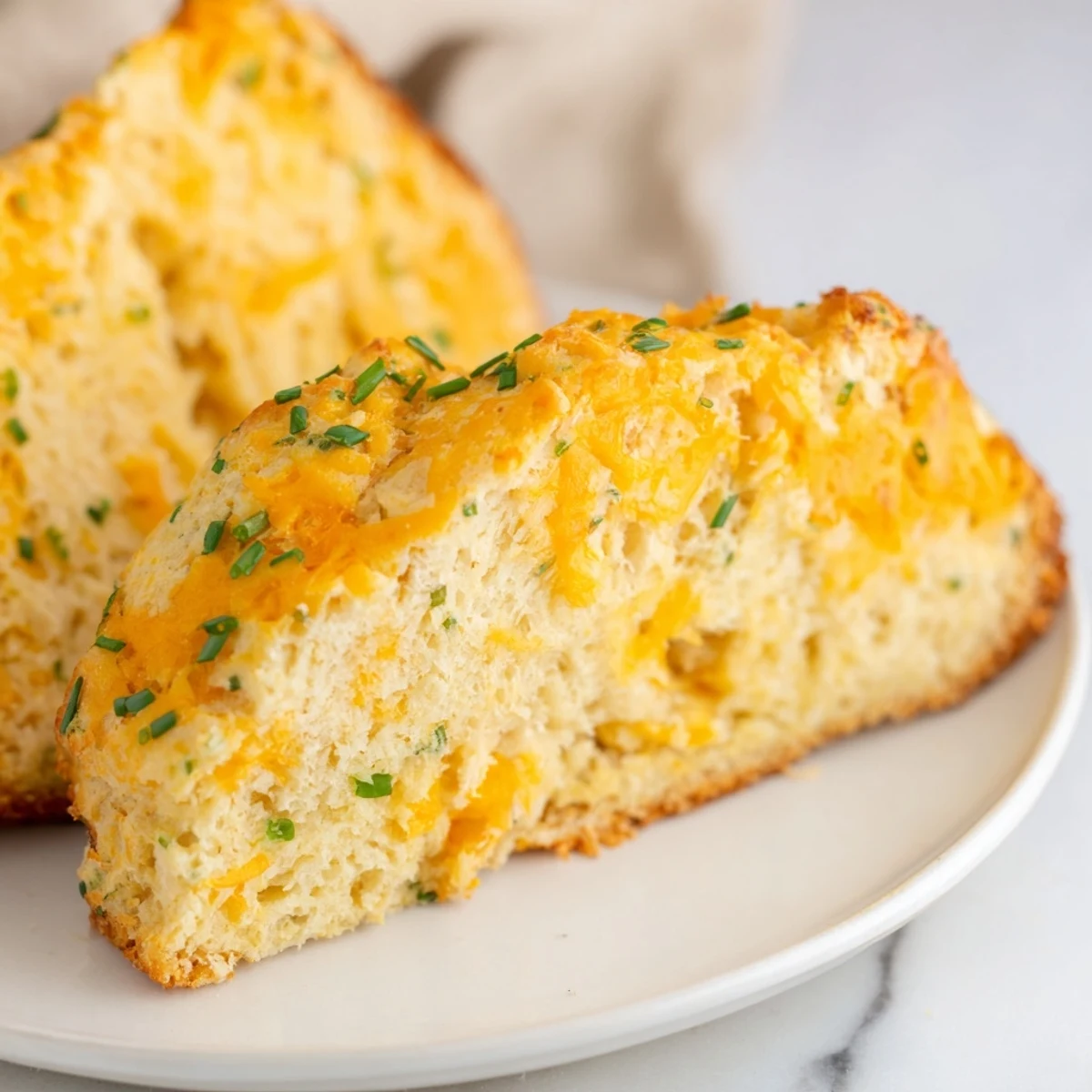
Save There is something deeply satisfying about a bread that requires no waiting, no rising, no special equipment beyond a bowl and a spoon. This soda bread has saved more weeknight dinners and last-minute gatherings than I can count, arriving at the table steaming and fragrant like it was always part of the plan.
Recipe FAQs
- → What gives this bread its distinctive flavor?
-
The combination of sharp cheddar cheese and fresh chives provides a savory and aromatic profile that defines this loaf.
- → Can I use green onions instead of chives?
-
Yes, green onions can be used as a substitute, adding a similar mild onion flavor to the bread.
- → How do I know when the bread is fully baked?
-
It should be deeply golden on top and sound hollow when tapped on the bottom, usually after 30–35 minutes at 400°F.
- → Is it important not to overwork the dough?
-
Yes, gently kneading just until the dough comes together helps maintain a tender crumb and prevent toughness.
- → Can I add other herbs or spices?
-
Adding dried thyme or a pinch of cayenne pepper can enhance the bread’s flavor, offering subtle herbal or spicy notes.