
 Save
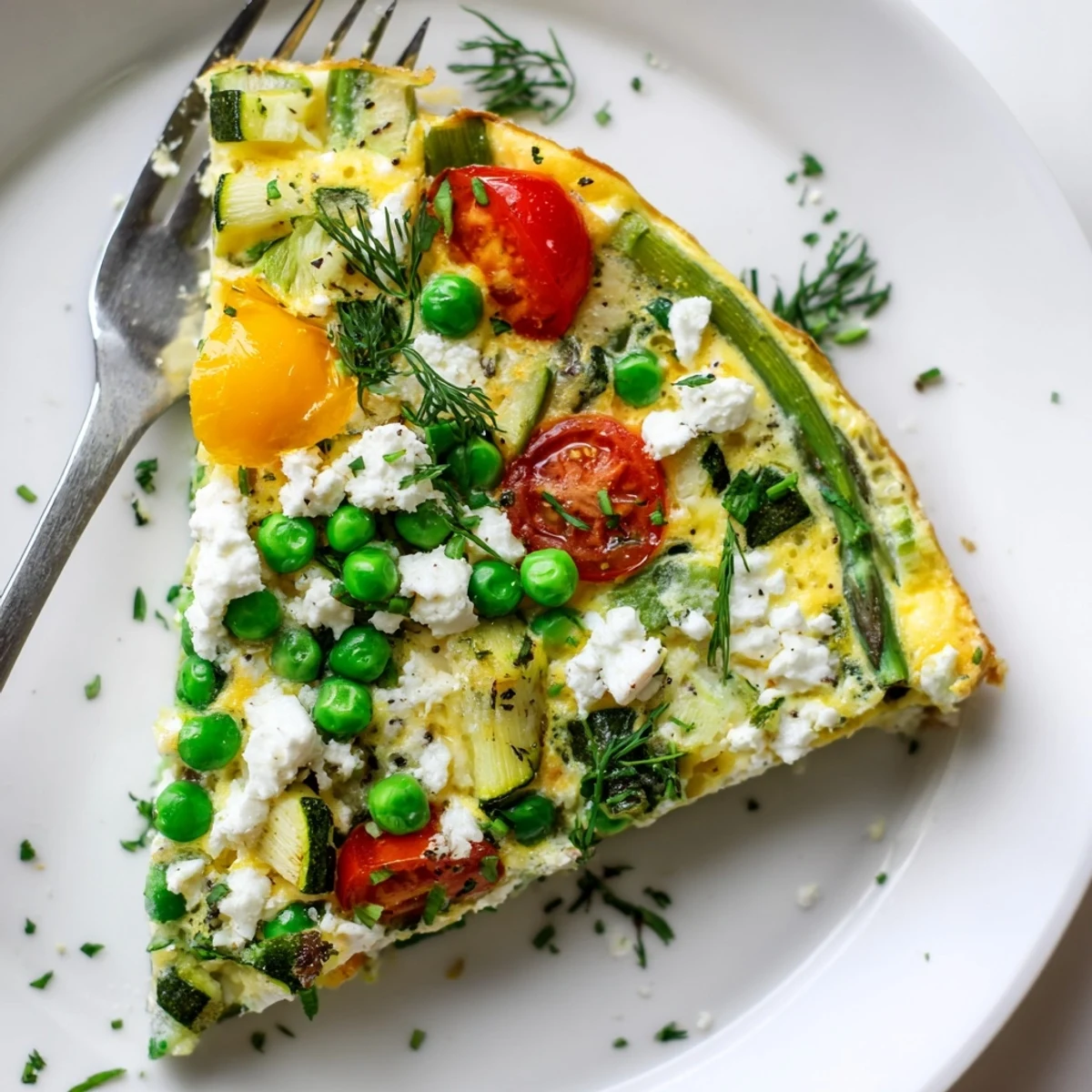
Save This dish features tender asparagus, zucchini, peas, and spinach, all brightened with fresh chives, parsley, and dill. Eggs blended with feta and Parmesan cheeses create a rich base, gently cooked on stovetop and finished in the oven to golden perfection. It’s a vibrant, nutritious choice ideal for brunch or a light supper, showcasing the freshness of spring vegetables and aromatic herbs in every bite.
The first time I made this frittata, it was supposed to be dinner for just myself. My neighbor smelled it through our open kitchen windows and showed up with a loaf of crusty bread. We ended up eating on the back steps as the sun went down, and she told me her grandmother used to make something similar when vegetables started flooding the farmers market. That impromptu dinner taught me that simple food shared casually is often the best kind.
Last spring I made this for a mothers day brunch and my mom kept sneaking back to the kitchen for just one more slice. She said it reminded her of the vegetable gardens her father tended when she was growing up. Something about the combination of tender asparagus and bright herbs hit a nostalgic note she could not quite place. Watching her stand there with a fork and a happy faraway look made me realize food carries stories we never even know were being told.
Ingredients
- 1 cup asparagus trimmed and cut into 1-inch pieces: Younger thinner spears work best here since they cook quickly alongside the eggs
- 1 cup baby spinach roughly chopped: It wilts down into almost nothing but contributes a gorgeous green color and subtle sweetness
- 1/2 cup green peas fresh or thawed frozen: Fresh peas are worth seeking out in spring but frozen work perfectly fine the rest of the year
- 1 small zucchini diced: Do not skip salting it for 10 minutes if it seems especially watery
- 1/2 cup cherry tomatoes halved: They burst slightly in the oven creating little pockets of brightness throughout
- 1 small shallot finely chopped: Shallots have a gentler sweeter flavor than onions which works beautifully with delicate spring vegetables
- 8 large eggs: Room temperature eggs whisk up into a smoother custard that sets more evenly
- 1/4 cup whole milk: Whole milk creates the most tender texture though half and half works if you want something richer
- 1/2 cup feta cheese crumbled: Its salty tang cuts through the richness and keeps each bite interesting
- 1/4 cup grated Parmesan cheese: Adds an undertone of umami that makes the simple vegetables taste more complex
- 2 tbsp unsalted butter: Butter creates the best fond in the pan which adds depth to the vegetables
- 2 tbsp fresh chives finely chopped: Their mild onion flavor bridges the gap between the vegetables and eggs
- 2 tbsp fresh parsley chopped: Fresh parsley keeps everything tasting bright and prevents the frittata from feeling heavy
- 1 tbsp fresh dill chopped: Dill pairs surprisingly well with eggs and spring vegetables adding a slightly anise note
- Salt and freshly ground black pepper to taste: Remember the feta and Parmesan are already salty so taste as you season
Instructions
- Get your oven ready:
- Preheat to 375°F (190°C) and position a rack in the middle so the frittata bakes evenly without browning too quickly on top
- Start the vegetables:
- Melt the butter in a large oven safe skillet over medium heat and sauté the shallot for about 2 minutes until it softens and becomes fragrant
- Add the harder vegetables:
- Toss in the asparagus zucchini and peas cooking for 3 to 4 minutes until they are just tender but still retain some crunch
- Wilt the softer ingredients:
- Stir in the spinach and cherry tomatoes cooking for just 1 minute until the spinach collapses and the tomatoes start to glisten
- Whisk the custard:
- In a large bowl whisk together the eggs milk half of the feta Parmesan herbs salt and pepper until everything is well combined
- Combine everything:
- Pour the egg mixture over the vegetables in the skillet give it a gentle stir to distribute everything evenly and sprinkle the remaining feta on top
- Set the edges on the stove:
- Cook over medium low heat for 3 to 4 minutes watching the edges start to pull away from the pan and set while the center stays loose
- Finish in the oven:
- Transfer the skillet to the oven and bake for 10 to 12 minutes until the center is just set and the top is lightly golden
- Let it rest before serving:
- Cool for a few minutes so the frittata sets up completely making it easier to slice cleanly
 Save
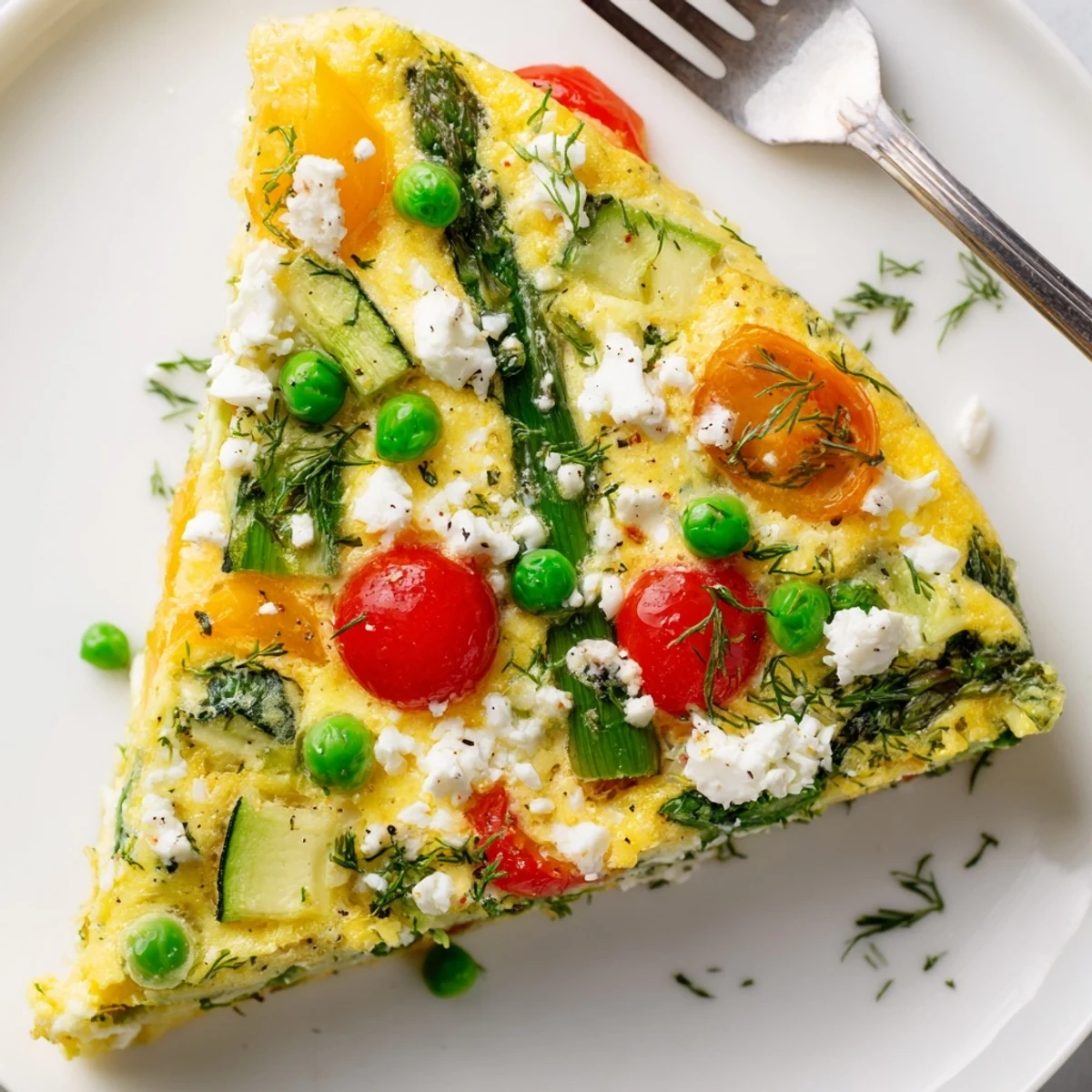
Save My sister in law requested this frittata for her birthday breakfast instead of something sweet or fancy. She said it was the first meal she ever cooked for her husband when they were dating and it burned. Making it perfectly for her felt like fixing a small piece of history. They ate it on their balcony with coffee and I watched them laugh about the burnt version from years ago. Some recipes become part of a familys story in ways we never expect when we first stir them together.
Choosing Your Vegetables
Spring vegetables vary by region and what looks best at the market. I have made this version with everything from ramps to garlic scapes when I could find them. The key is balancing vegetables that hold their texture with ones that wilt down into the eggs. Too many delicate greens and the frittata becomes soggy. Too many dense vegetables and you need to extend the cooking time. Trust your eyes and nose more than the exact measurements.
Getting the Texture Right
A perfect frittata should be tender and creamy not rubbery or dry. The stovetop step creates that beautiful set edge while the oven finish gently cooks the center without scrambling the eggs. I have found that pulling it out when the center still has a slight wobble results in the most custardlike texture. It will continue cooking from residual heat and this technique has never failed me even with different ovens and pans.
Serving Suggestions
This frittata works for breakfast brunch lunch or a light dinner depending on what you serve alongside it. I have learned that balance matters. Something acidic like a green salad with vinaigrette cuts through the richness. Something crusty like toasted bread soaks up any juices. Something fresh like fruit cleanses the palate between bites. The dish is versatile but it appreciates thoughtful pairings.
- Try it with a dollop of sour cream or Greek yogurt for extra tang
- A arugula salad with lemon dressing makes an excellent side
- Crispy roasted potatoes turn this into a more substantial meal
 Save
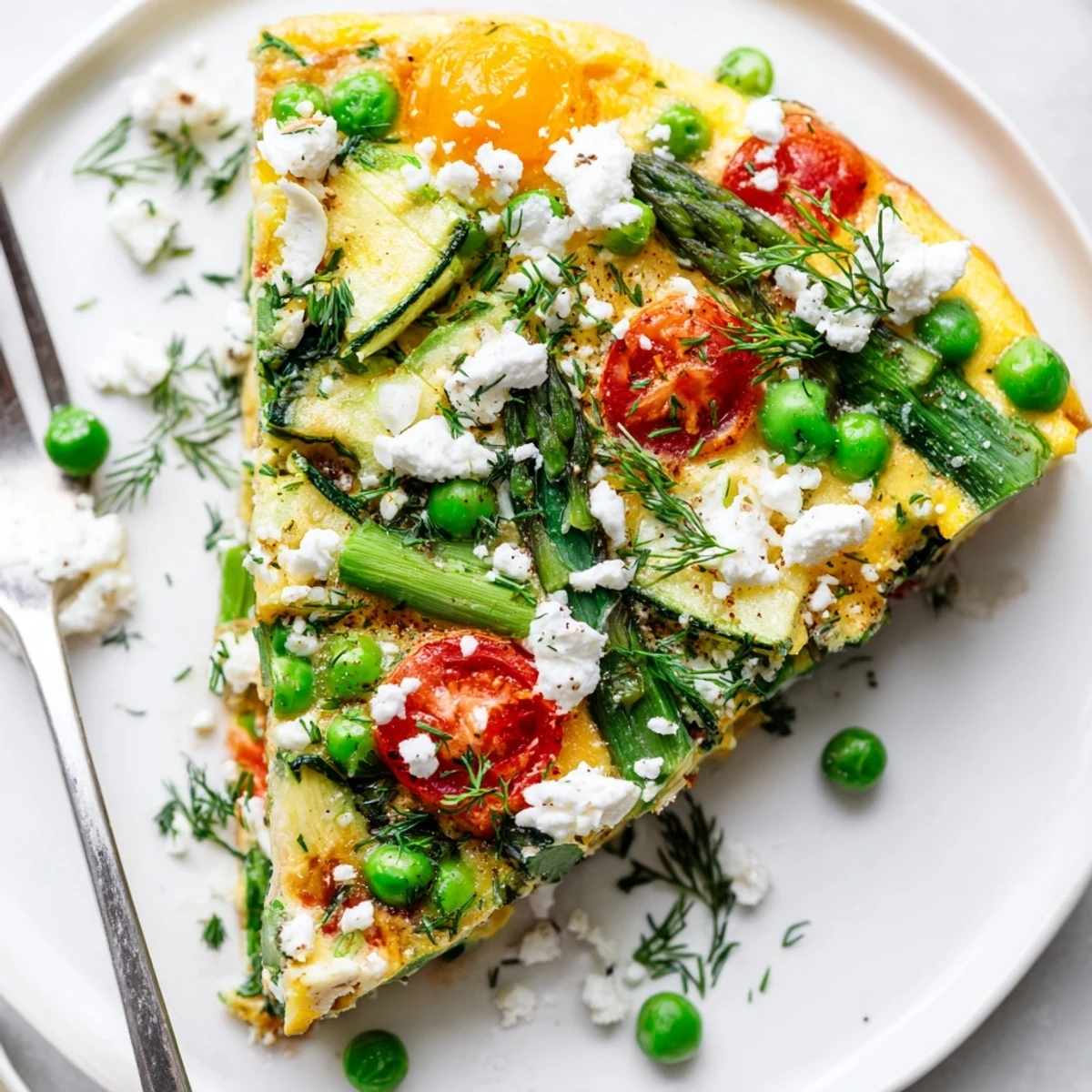
Save There is something deeply satisfying about a recipe that uses up whatever vegetables are languishing in the crisper drawer and turns them into something you would actually serve to company. This frittata has saved many a farmers market haul from the compost bin.
Recipe FAQs
- → Can I use other vegetables in this dish?
-
Yes, you can swap or add spring vegetables like leeks, snap peas, or other seasonal produce to suit your taste.
- → What cheese alternatives work well here?
-
Goat cheese or ricotta can be used instead of feta for different flavor profiles.
- → Is it necessary to use fresh herbs?
-
Fresh herbs provide the brightest flavor, but dried herbs can be used in smaller amounts if fresh are unavailable.
- → How do I check when the dish is cooked properly?
-
The center should be set and slightly golden on top; edges will be firm while the interior remains moist.
- → What cooking tools are required?
-
An oven-safe skillet, mixing bowls, whisk, chef's knife, and cutting board are essential for preparing this dish.