
 Save
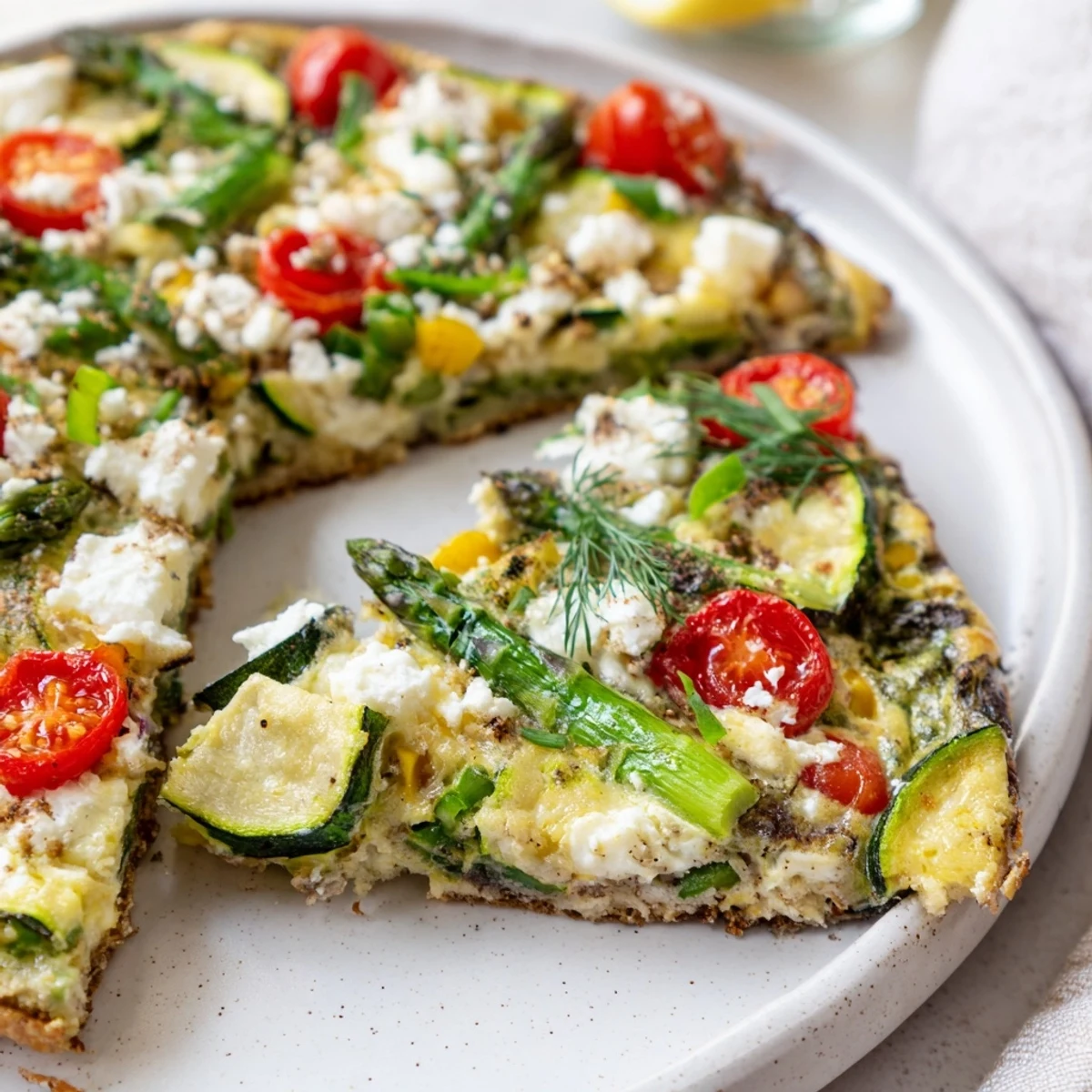
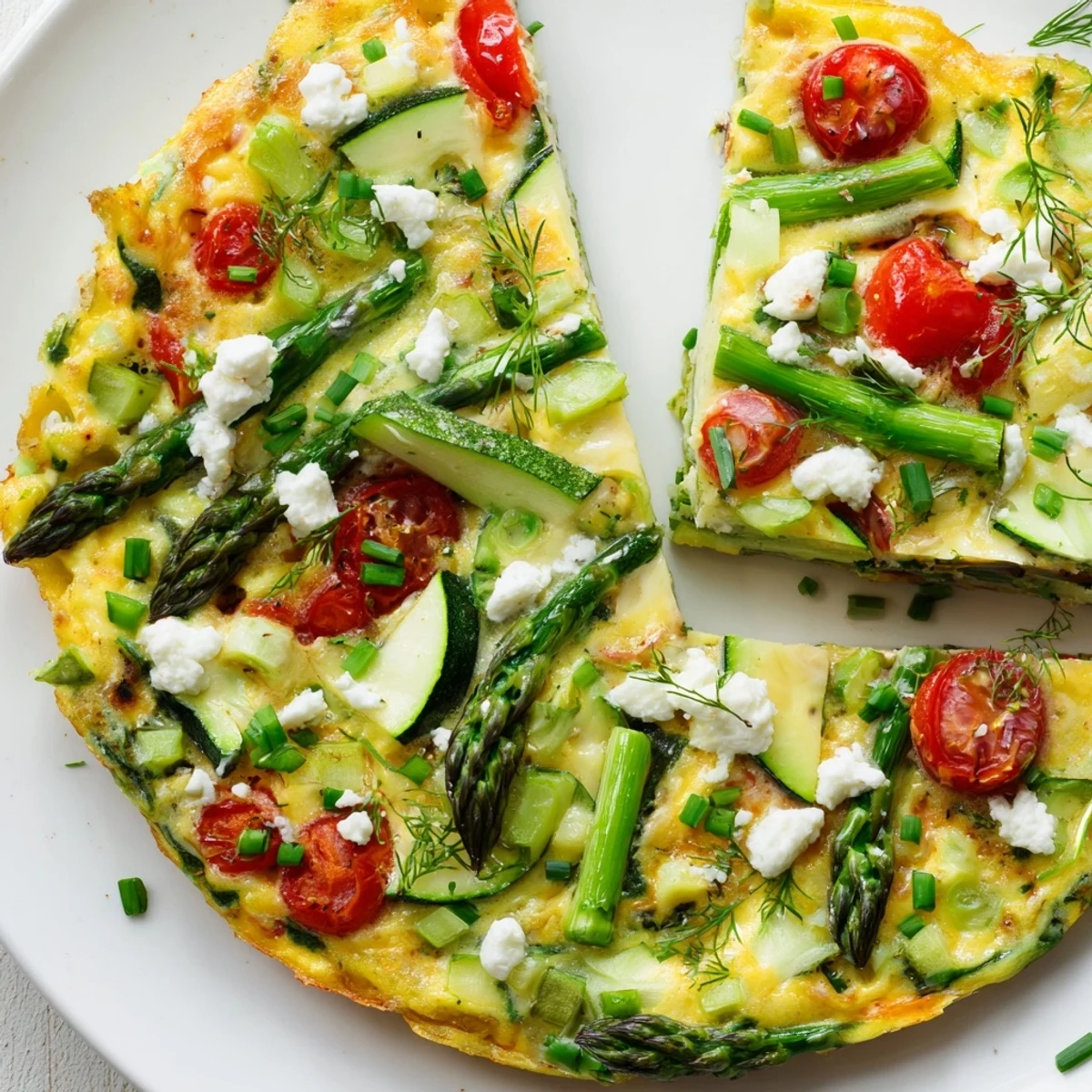
Save This light and flavorful baked egg dish combines fresh spring vegetables like asparagus, spinach, peas, zucchini, and cherry tomatoes with aromatic herbs such as chives, parsley, and dill. Mixed with creamy cheeses and gently cooked to a golden finish, this dish serves as a perfect choice for brunch, lunch, or a light dinner. Its easy preparation and vibrant ingredients highlight seasonal flavors and provide a satisfying, nutritious meal.
The first time I made this frittata, I'd just come home from the farmers market with an absurd amount of spring vegetables I couldn't resist. My kitchen counter was covered in asparagus, pea pods, and herbs, and I realized I needed to use them all before they lost that just-picked sweetness. Now it's become my go-to whenever spring arrives and I want something that feels like eating a garden.
Last spring, my neighbor came over unexpectedly while this was baking. She kept asking what smelled so incredible, and when I pulled it from the oven, we ended up eating the whole thing standing at the counter with forks. Now she texts me every time she sees asparagus at the market.
Ingredients
- 1 cup asparagus trimmed and sliced into 1-inch pieces: I've learned to snap the ends by hand rather than cutting them, they naturally break where the tough part begins
- 1 cup baby spinach roughly chopped: Don't be tempted to add more than this or it can make the frittata soggy
- 1/2 cup green peas fresh or thawed if frozen: If using frozen, pat them dry with a paper towel first
- 1 small zucchini diced: Smaller zucchini work best here as they have fewer seeds and more tender flesh
- 1/2 cup cherry tomatoes halved: They add little bursts of sweetness that balance the savory cheese
- 1 small shallot finely chopped: Shallots give a milder, sweeter flavor than onions
- 8 large eggs: Room temperature eggs will blend more smoothly with the milk
- 1/3 cup whole milk or cream: The fat content helps keep the texture custardy rather than rubbery
- 1/2 cup crumbled feta cheese or goat cheese: Either works beautifully, though feta adds a nice salty punch
- 2 tbsp grated Parmesan cheese: This gets whisked into the eggs for depth of flavor
- Salt and freshly ground black pepper to taste: Remember the feta and Parmesan are already salty
- 2 tbsp fresh chives chopped: Their mild onion flavor ties everything together
- 2 tbsp fresh parsley chopped: Add this right before baking so it stays bright green
- 1 tbsp fresh dill chopped: Dill and eggs are a classic combination for good reason
- 1 tbsp olive oil: This helps the vegetables caramelize nicely
Instructions
- Preheat your oven:
- Set it to 375°F and move your oven rack to the middle position
- Sauté the aromatics:
- Heat the olive oil in your ovenproof skillet over medium heat, add the shallot and cook for 2 minutes until it's soft and fragrant
- Cook the harder vegetables:
- Add the asparagus and zucchini, cooking for 3 to 4 minutes until they're just tender but still have some crunch
- Add the delicate vegetables:
- Stir in the peas, cherry tomatoes, and spinach, cooking for 2 more minutes until the spinach just wilts
- Whisk the eggs:
- In a large bowl, beat the eggs with the milk, Parmesan, salt, and pepper until well combined, then stir in all the fresh herbs
- Combine everything:
- Pour the egg mixture evenly over the vegetables and give it a gentle stir to distribute everything, then sprinkle the crumbled cheese on top
- Set the edges:
- Cook on the stovetop for 2 to 3 minutes until you can see the edges starting to firm up
- Bake until golden:
- Transfer the skillet to the oven and bake for 12 to 15 minutes until the center is set and the top is lightly golden
- Let it rest:
- Cool for 5 minutes before slicing, this helps the frittata set properly and makes serving easier
 Save
Save My mother in law asks for this every time she visits. She says it reminds her of summers in Italy, though I've never had the heart to tell her I learned to make it from a cookbook I picked up at a yard sale. Some secrets are better kept.
Making It Your Own
I've made countless variations of this frittata depending on what's in season. The technique stays the same, but swapping vegetables keeps it interesting throughout the year. Bell peppers and mushrooms work beautifully in fall, while leeks and potatoes make it hearty for winter.
Serving Suggestions
This frittata is surprisingly versatile. I've served it for Easter brunch with fruit salad, for a weeknight dinner with a simple green salad, and even cut into squares for a picnic. A crisp white wine like Sauvignon Blanc pairs perfectly with the fresh herbs.
Storage And Reheating
The frittata keeps remarkably well, which is why I often make it on Sunday for easy lunches throughout the week. Store it in the refrigerator and it will stay fresh for up to three days.
- Cold frittata is actually delicious for breakfast with coffee
- Reheat individual slices in the microwave for 30 seconds
- A quick toast in a dry skillet brings back the crispy edges
 Save
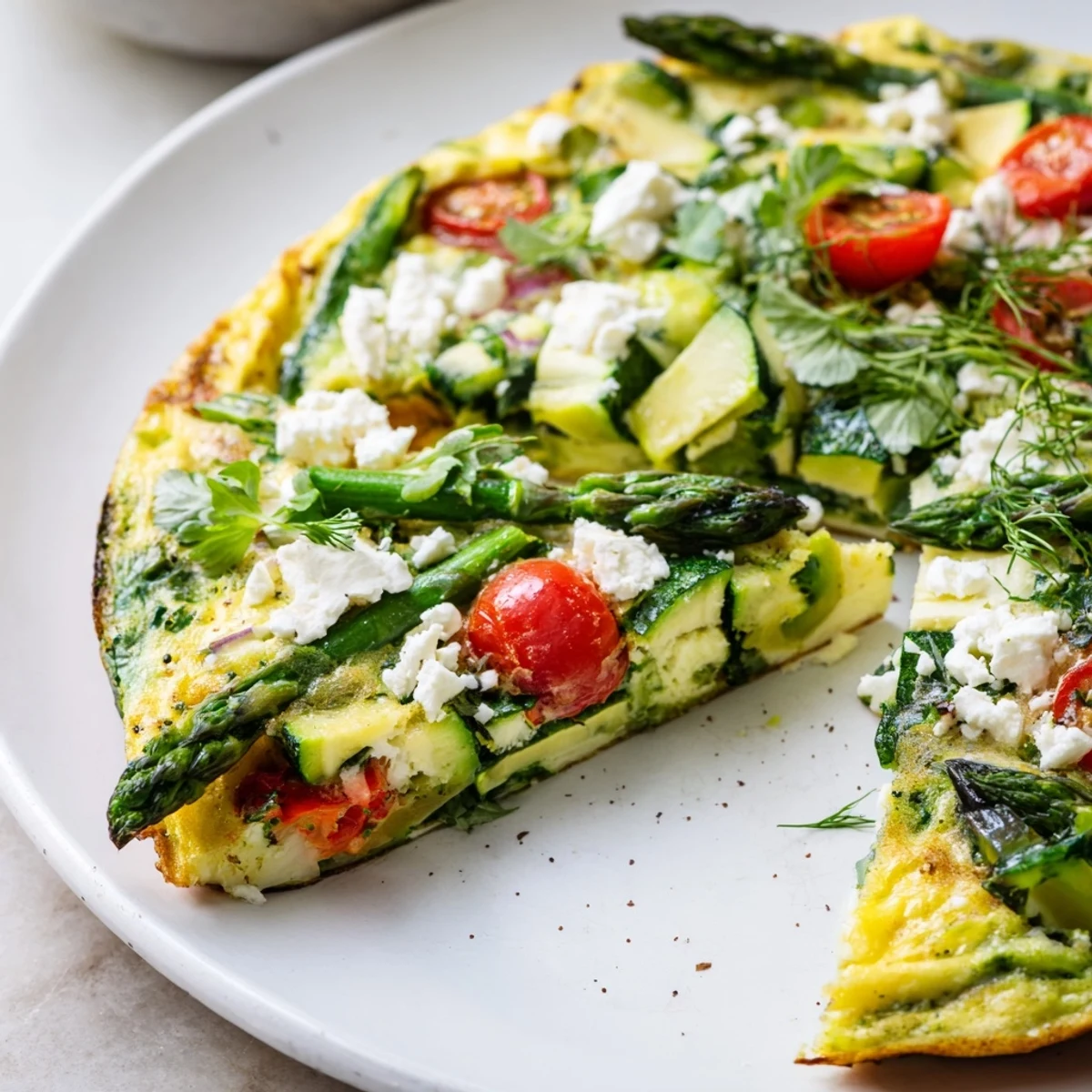
Save There's something deeply satisfying about cutting into a frittata and seeing all those colorful vegetables nestled in the golden eggs. It's simple food that feels special, exactly what spring cooking should be.
Recipe FAQs
- → What vegetables work best in this dish?
-
Asparagus, spinach, peas, zucchini, and cherry tomatoes bring fresh spring flavors, but bell peppers or mushrooms can be great substitutes.
- → Can I use different herbs?
-
Yes, fresh basil or tarragon can be used to vary the herbal aroma and flavor according to preference.
- → How should this dish be cooked?
-
Sauté vegetables briefly, combine with eggs and herbs, then bake in an ovenproof skillet until set and lightly golden.
- → Is this dish suitable for special diets?
-
It is vegetarian and gluten-free but contains eggs and dairy, so it suits those dietary needs accordingly.
- → What are good serving suggestions?
-
Serve warm or at room temperature alongside a crisp white wine like Sauvignon Blanc for balanced flavors.