
 Save
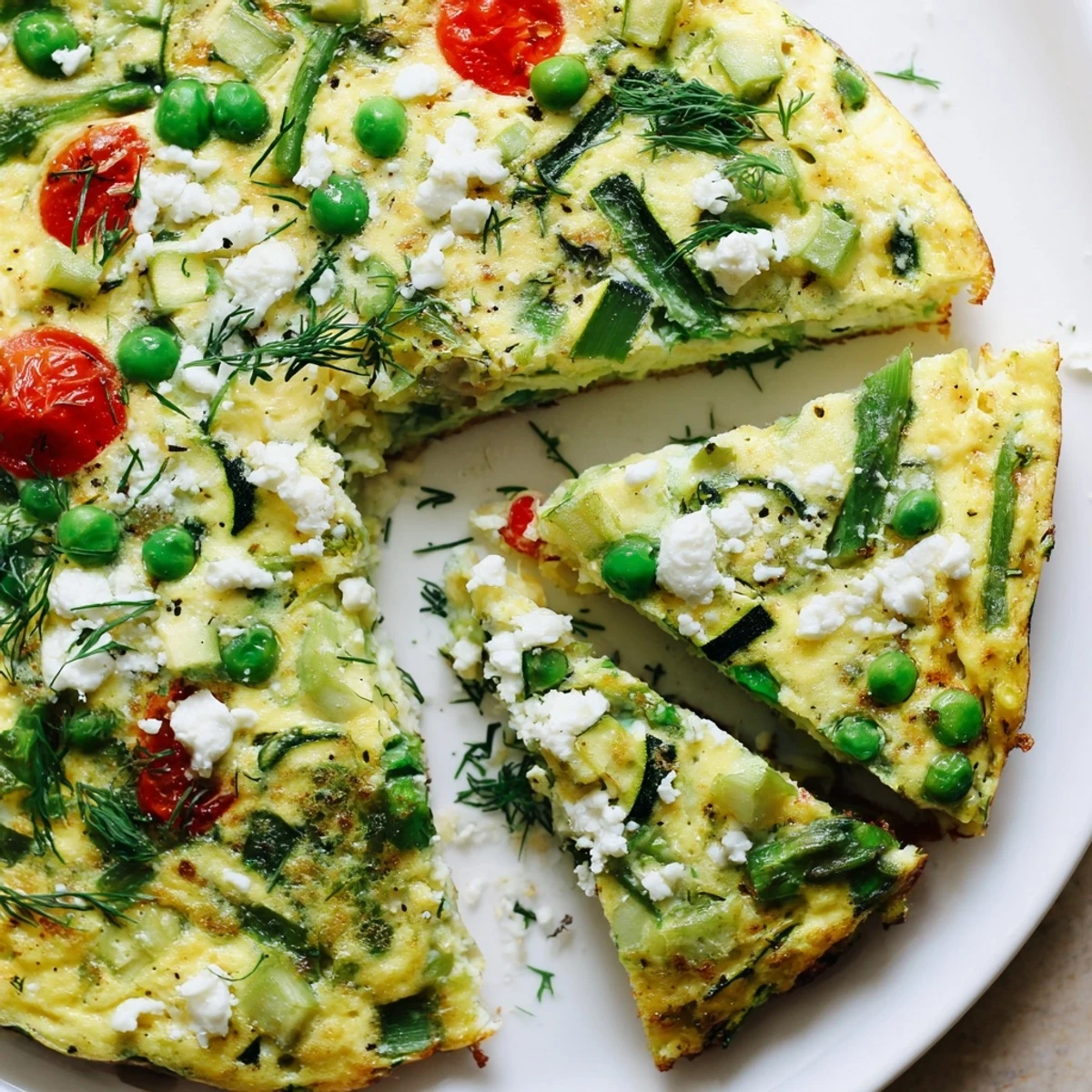
Save This spring frittata combines tender asparagus, zucchini, fresh spinach, cherry tomatoes, and sweet green peas with aromatic chives, parsley, and dill. Eggs are whisked with cream and layered with tangy feta and Parmesan cheese for a creamy texture. After saffron-scented vegetables are sautéed gently, the mixture is baked until just set and lightly golden. It’s a simple, flavorful dish that warms the kitchen and pleases the palate for brunch or dinner.
The first time I made this frittata, I had just come back from the farmers market with an embarrassing amount of spring vegetables. I wasnt sure if they would all play nice together, but something magic happened in that oven. Now its my go to when I want something that feels special but takes barely any effort.
Last spring my sister came over for brunch and I threw this together at the last minute. She kept asking what restaurant Id ordered it from, which I took as the highest compliment possible. We ate it on the back porch while the morning was still cool, and honestly, that memory is tied up in every bite.
Ingredients
- 8 large eggs: Room temperature eggs whisk up better and create a fluffier texture, so take them out while you prep everything else
- 1/4 cup whole milk or cream: This adds richness and helps create that custard like interior we all love
- 1 cup asparagus, trimmed and cut into 1 inch pieces: Look for bright green stalks that snap when you bend them
- 1 cup baby spinach, roughly chopped: Fresh spinach wilts beautifully and adds a lovely color contrast
- 1 cup zucchini, diced: Dont make the pieces too small or they will disappear into the eggs
- 1/2 cup cherry tomatoes, halved: They become little bursts of sweetness when roasted
- 1/2 cup green peas: Fresh peas are worth seeking out, but frozen work perfectly fine too
- 1/2 cup crumbled feta or goat cheese: The tang cuts through the rich eggs and brightens everything up
- 2 tbsp grated Parmesan cheese: Adds a salty, nutty finish on top
- 2 tbsp fresh chives, chopped: Their mild onion flavor works perfectly with delicate spring vegetables
- 2 tbsp fresh parsley, chopped: Brings a fresh, grassy brightness to the dish
- 2 tbsp fresh dill, chopped: This herb is the secret that makes everything taste like spring
- 2 cloves garlic, minced: Add it toward the end so it does not burn and become bitter
- 1/2 tsp salt and 1/4 tsp freshly ground black pepper: Season generously because eggs need salt to shine
- 1 tbsp olive oil: Use a good quality one since you can really taste it here
Instructions
- Preheat your oven to 375°F (190°C):
- Getting the oven hot ahead of time is crucial because the frittata needs immediate, even heat to puff up properly
- Warm the olive oil in your ovenproof skillet:
- Use a 10 to 12 inch pan over medium heat and add the asparagus and zucchini first since they take longer to cook
- Add the remaining vegetables:
- Toss in the cherry tomatoes, green peas, garlic, and spinach, cooking just until the spinach wilts but everything still has some bite
- Whisk the eggs with milk and seasonings:
- Beat them until completely blended, then stir in the fresh herbs and half of the crumbled cheese
- Combine eggs and vegetables:
- Pour the egg mixture over the vegetables and give everything a gentle stir to distribute everything evenly
- Add the finishing cheese:
- Sprinkle the remaining feta or goat cheese and Parmesan across the top so it gets golden and delicious
- Start on the stovetop:
- Let it cook for just 2 or 3 minutes until you see the edges beginning to set and pull away from the pan
- Finish in the oven:
- Slide the skillet into the oven and bake for 10 to 12 minutes until the center is just set and lightly golden
- Let it rest before slicing:
- Give it a few minutes to cool slightly so it holds its shape when you cut into wedges
 Save
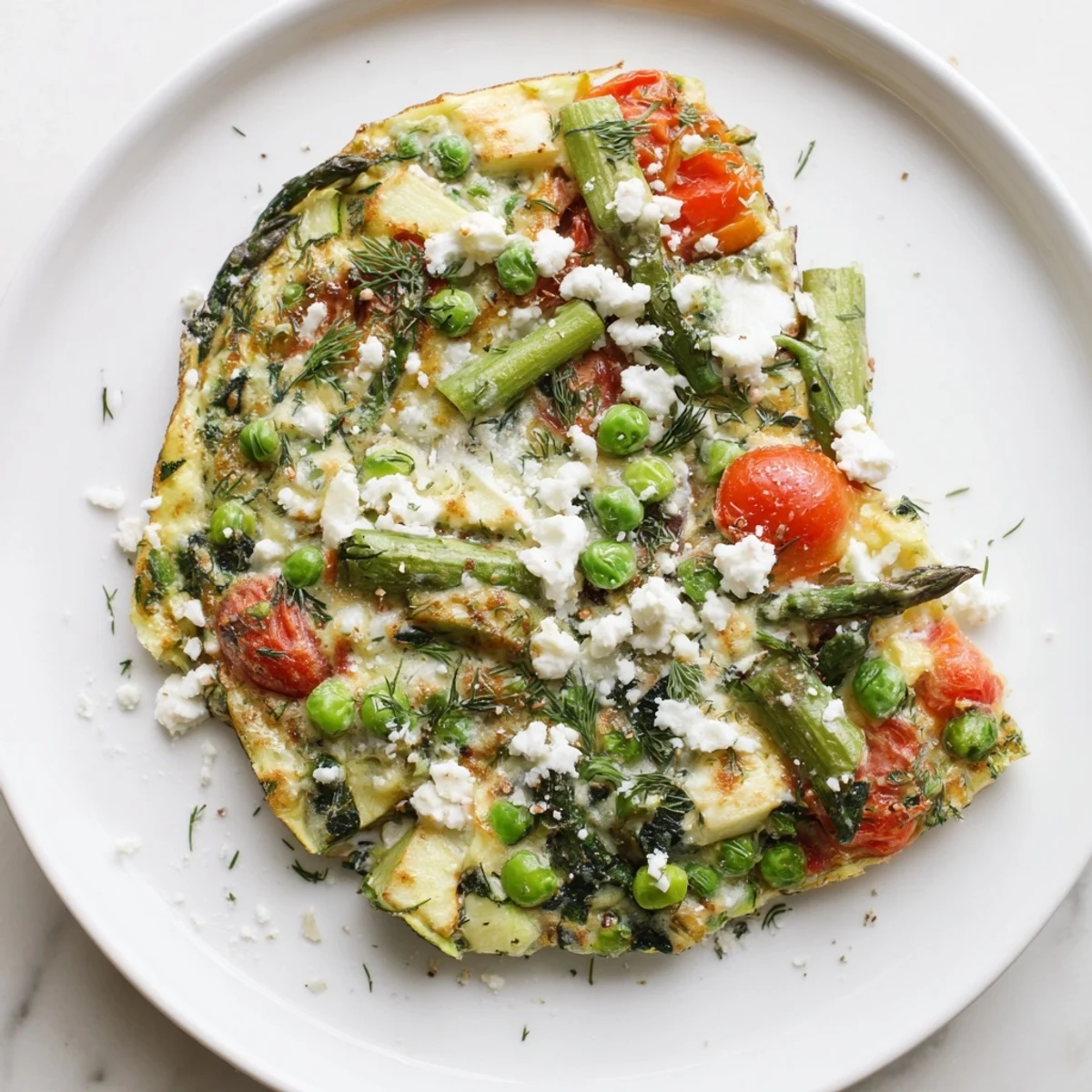
Save This frittata has become my default contribution to potlucks because it travels beautifully and tastes just as good at room temperature. Something about cutting into it and seeing all those colorful vegetables nestled in the golden eggs makes people happy before they even take a bite.
The Secret to Perfect Texture
After making countless frittatas, I have learned that the real trick is not overcooking the vegetables before adding the eggs. You want them tender but still with some structure, because they will continue cooking in the oven. I used to sauté everything until soft, but the frittata ended up with mushy pockets that nobody enjoyed.
Making It Your Own
Spring vegetables are traditional here, but do not be afraid to switch things up based on what you have. Roasted red peppers and kale work beautifully in winter, while corn and basil make a fantastic summer version. The template stays the same, but the character changes with the seasons.
Serving Suggestions That Work
A simple green salad with a bright vinaigrette cuts through the richness perfectly, and crusty bread is never a bad idea. I have also served this alongside roasted potatoes for a heartier meal. Sometimes I will put out some fresh fruit and call it brunch.
- Leftovers make an excellent breakfast the next day, either cold or quickly warmed
- Pair with a crisp white wine like Sauvignon Blanc if you are serving it for dinner
- The frittata can be made ahead and served at room temperature for picnics
 Save
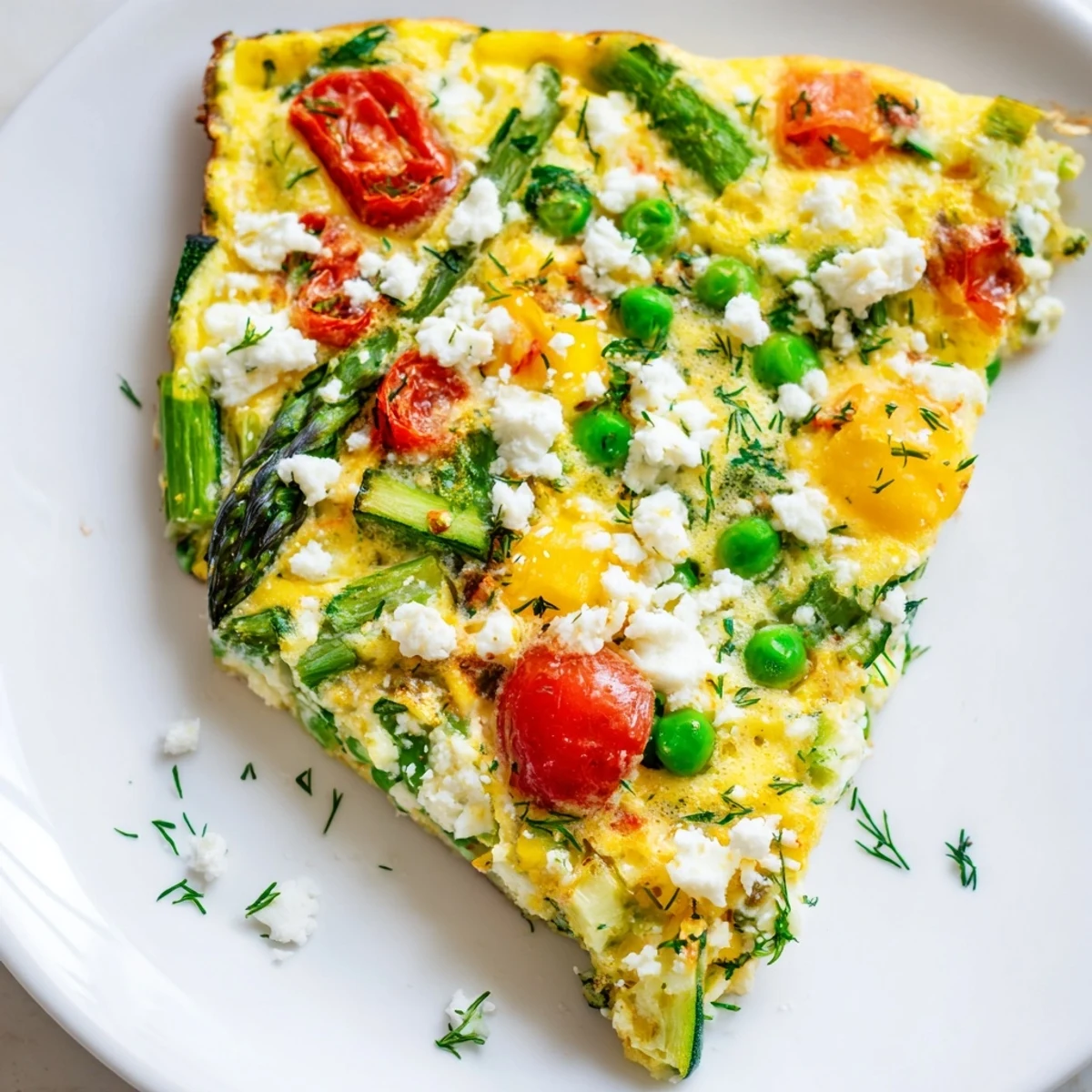
Save There is something deeply satisfying about a dish that comes together so quickly but looks like you spent hours on it. This frittata has saved me more times than I can count.
Recipe FAQs
- → Which vegetables work best in this dish?
-
Spring vegetables like asparagus, zucchini, spinach, cherry tomatoes, and green peas provide freshness and texture. You may substitute with seasonal choices like bell peppers or mushrooms.
- → How can I ensure the frittata cooks evenly?
-
Sauté the vegetables until just tender before combining with eggs. Cook briefly on the stovetop before baking to let edges set, then bake until the center is firm and lightly golden.
- → What cheeses complement this combination?
-
Crumbled feta or goat cheese adds creaminess and tang, while grated Parmesan on top provides a savory, nutty finish that enhances the flavors.
- → Can this dish be adapted for different diets?
-
Yes, it's naturally vegetarian and gluten-free. For dairy-free versions, substitute cheese and cream with plant-based alternatives, adjusting seasoning accordingly.
- → What herbs best enhance the flavors?
-
Fresh chives, parsley, and dill bring brightness and a herbal aroma that harmonize beautifully with the vegetables and eggs.
- → How should I serve this dish?
-
Serve warm or at room temperature alongside a light green salad or crusty bread for a balanced meal.